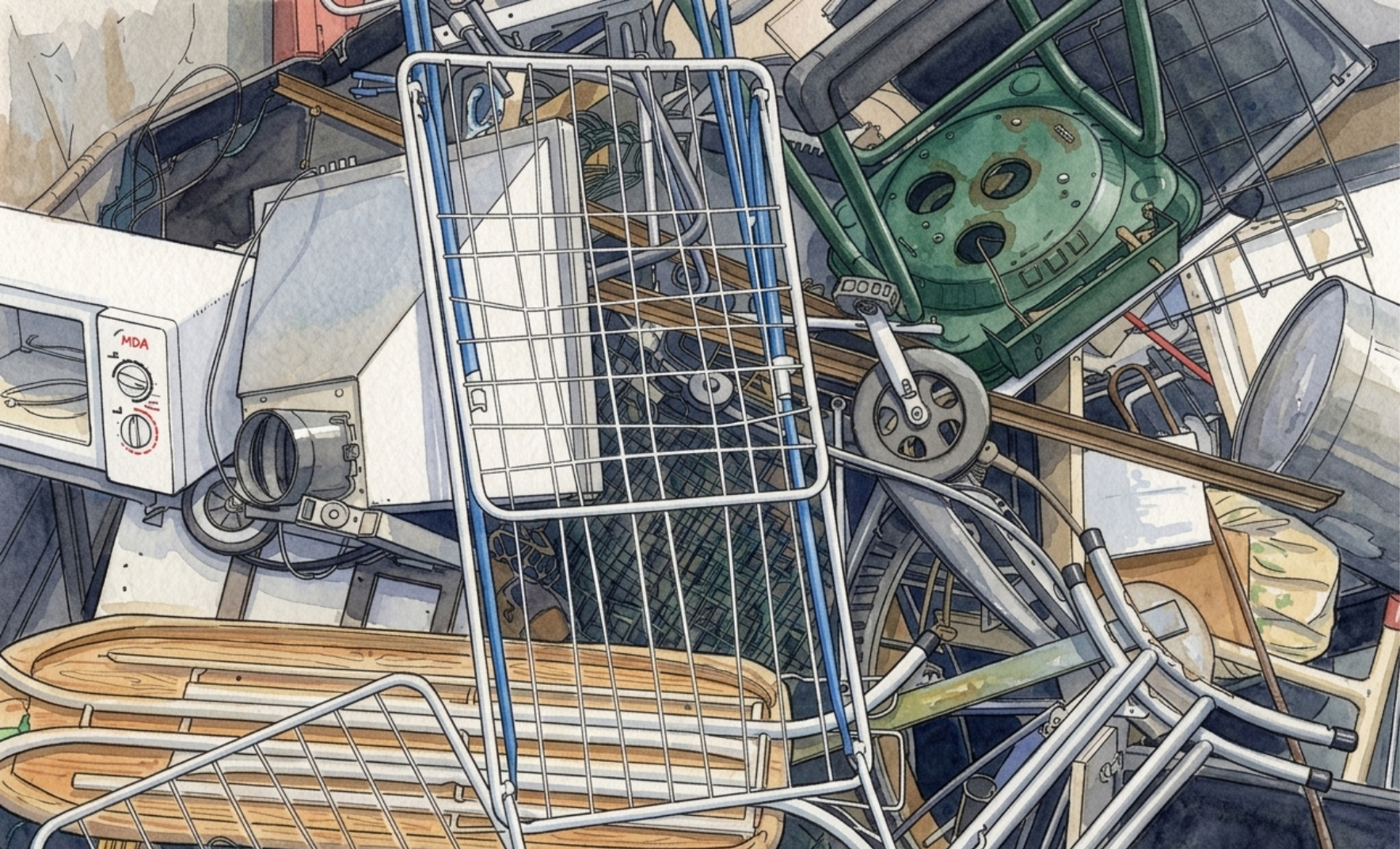
Yard Operations: Where Efficiency Is Gained or Lost
Yard performance determines throughput, material quality, and export readiness. How layout, process discipline, and coordination drive consistent output.
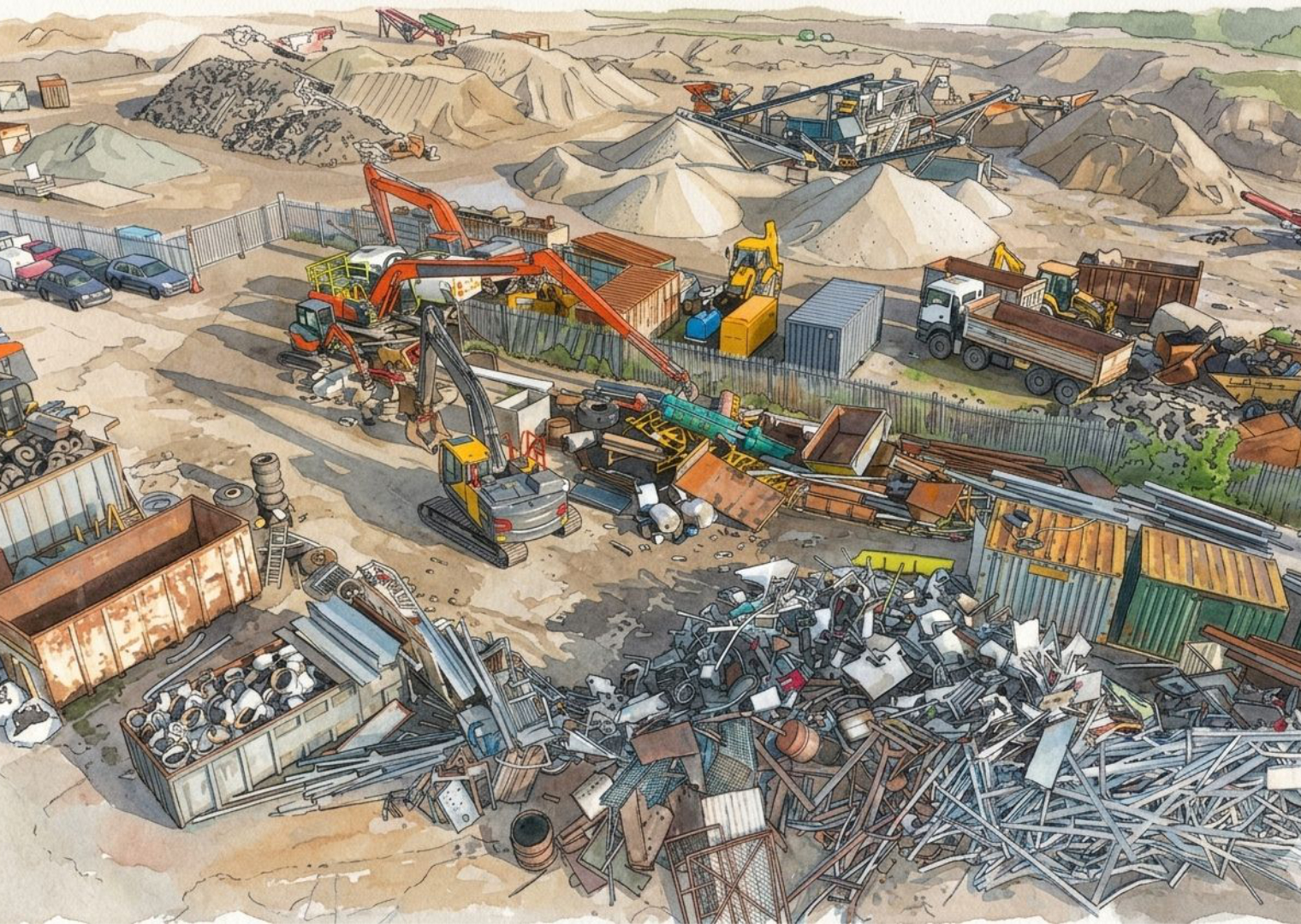
The yard is the control point
Yards receive, sort, process, and stage material for export. Efficiency at this stage determines how quickly material moves and how well it meets specifications. Disorganized layouts, inconsistent grading, and poor sequencing reduce throughput and increase handling time.
Where efficiency is lost
Losses occur through rehandling, mixed grades, and idle inventory. Unclear intake processes create backlogs. Material moves multiple times before loading, increasing labor and reducing quality. Inconsistent documentation slows export preparation and creates downstream disputes.
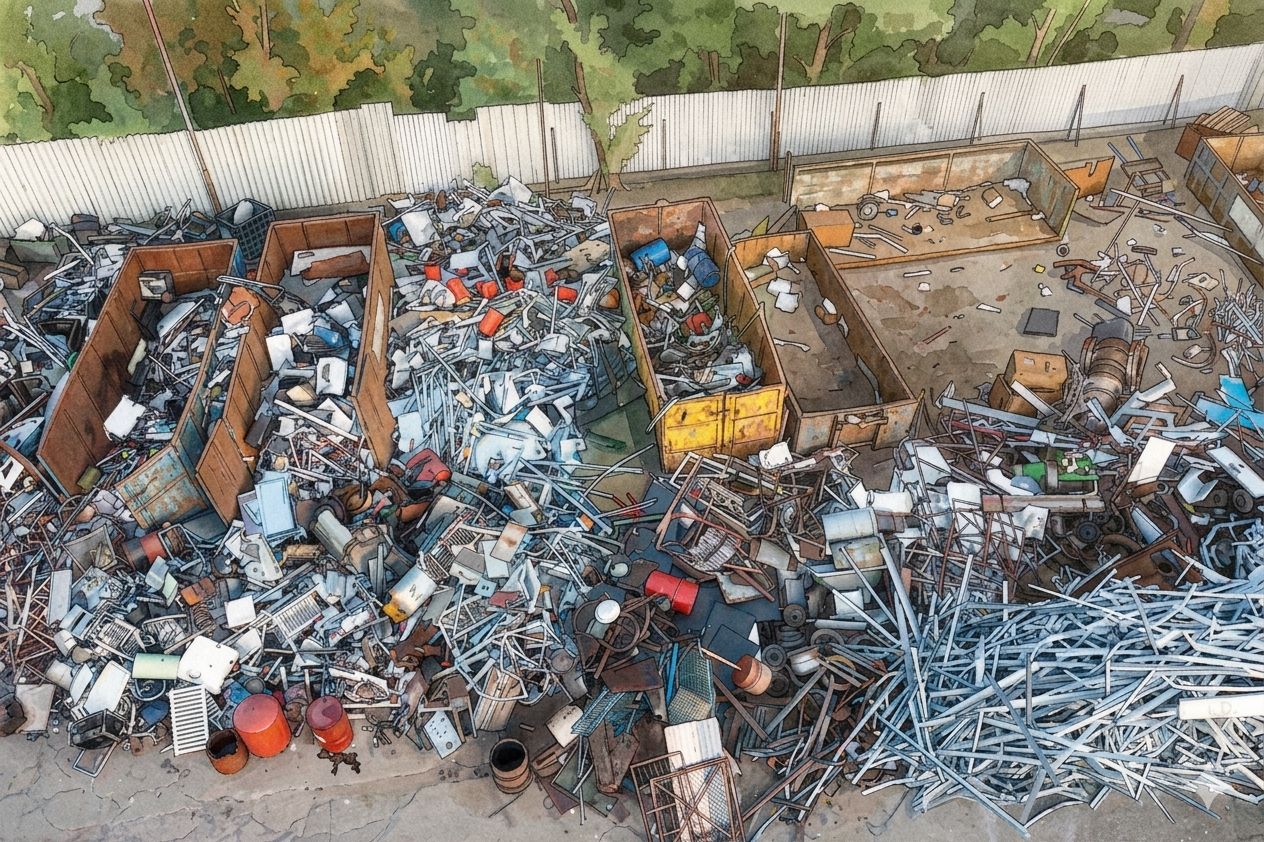
Designing for flow
Effective yards are organized into zones: intake, sorting, processing, and staging. Standard grading at intake reduces rework. Size reduction and densification improve handling and container utilization. Clear loading sequences and supervision prevent underweight containers and delays.
Documentation should follow the material—from intake ticket to container seal—ensuring traceability and consistency.
Aligning with export
Yard processes should match export requirements. Grading, preparation, and documentation must be consistent with buyer specifications. When yards operate to export standards, aggregation across multiple sites becomes efficient and scalable.
Throughput defines performance
High-performing yards move material quickly with minimal rehandling and consistent quality. Efficiency is measured in flow, not stockpiles.
Operator Rule
Handle once, process correctly, and move forward. Every extra touch reduces margin and slows the system.


Subscribe to the Recyclore Brief
Stay informed on material flows, market signals, and platform activity—delivered with clarity, discipline, and a focus on how the ecosystem is evolving in real terms.