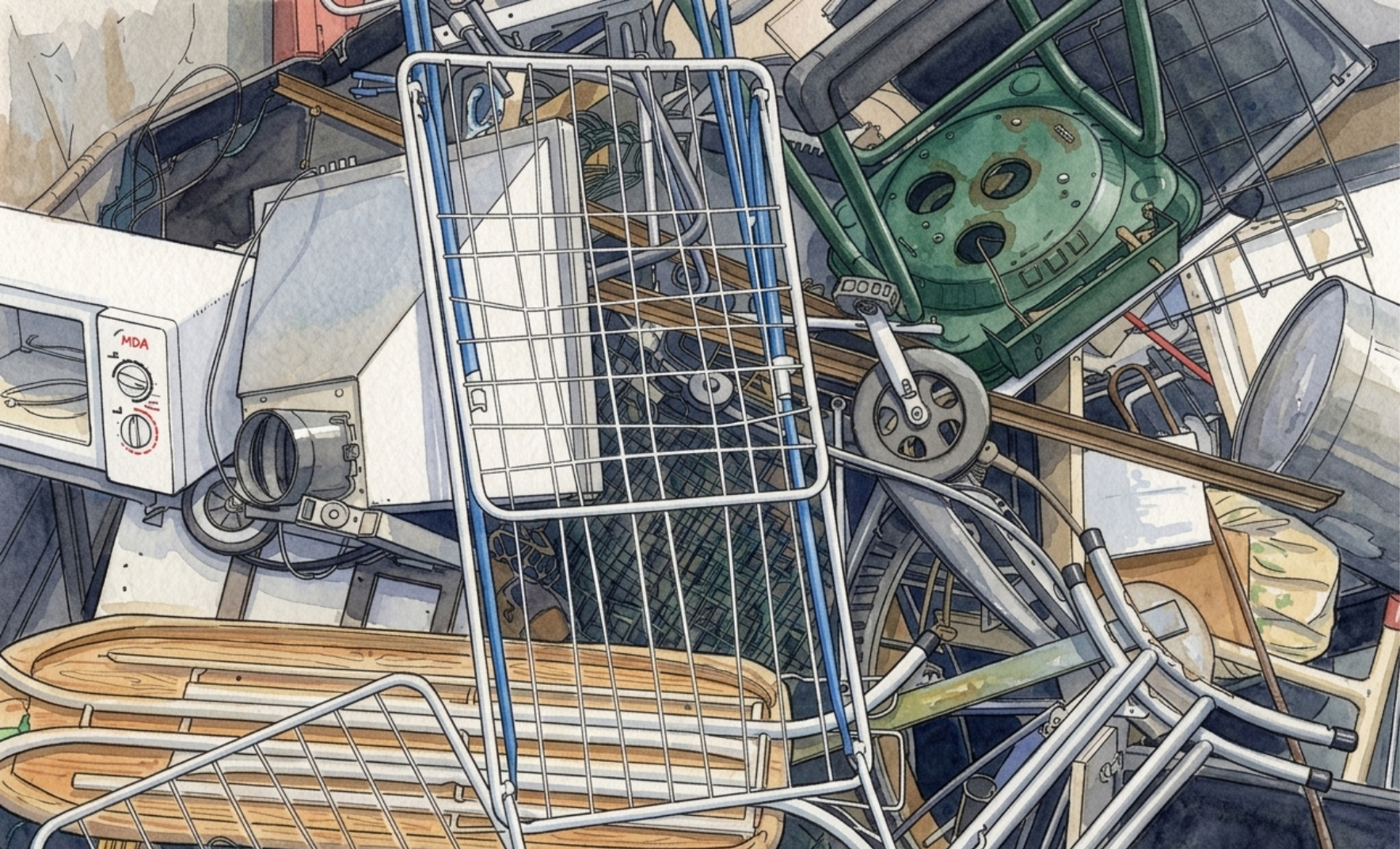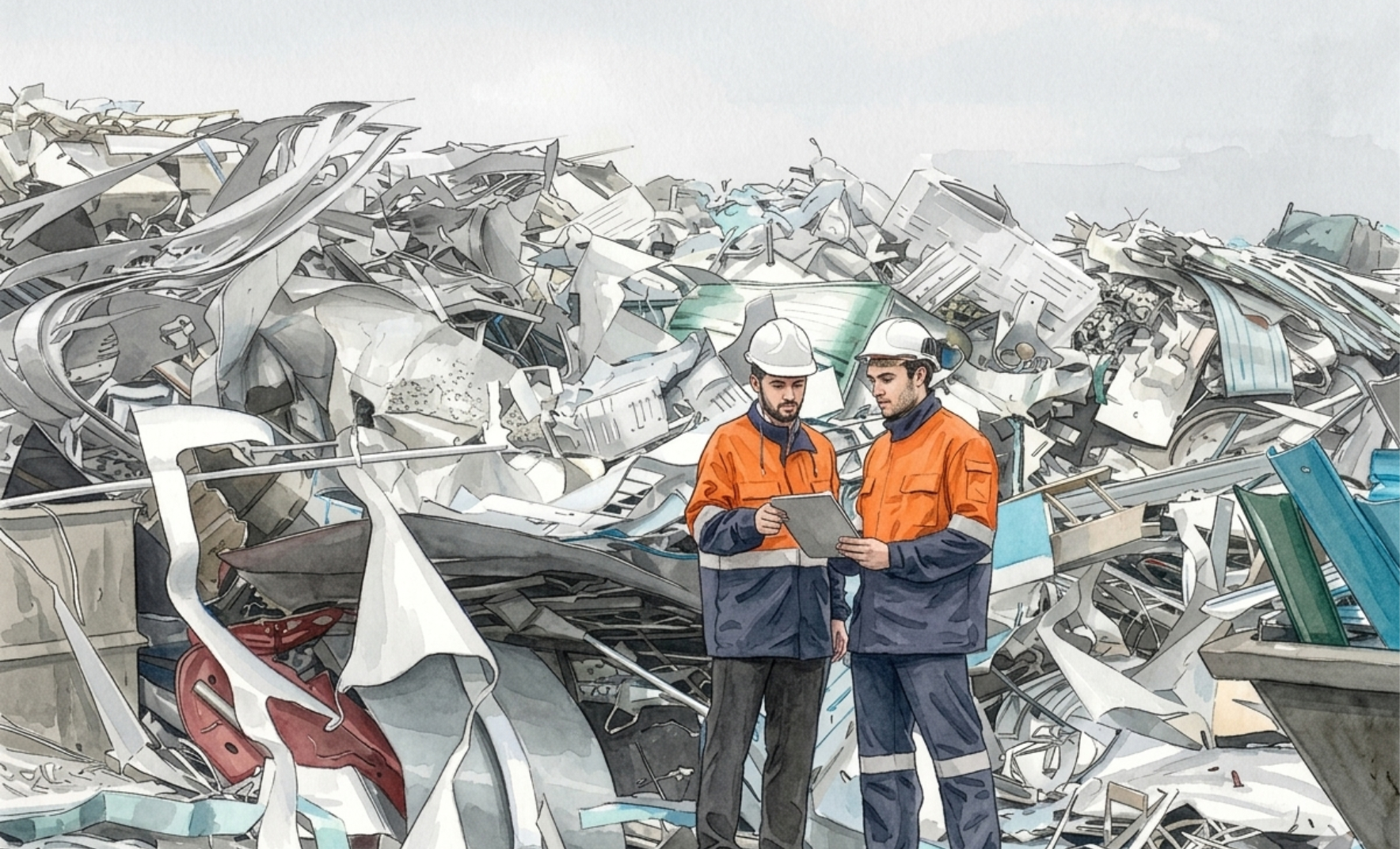
Container Rejection at Port: Regrade, Repack, and Clear (Anonymized Case File)
A routine export is flagged at destination for mixed grades and contamination. How rapid reclassification, selective repacking, and documentation align
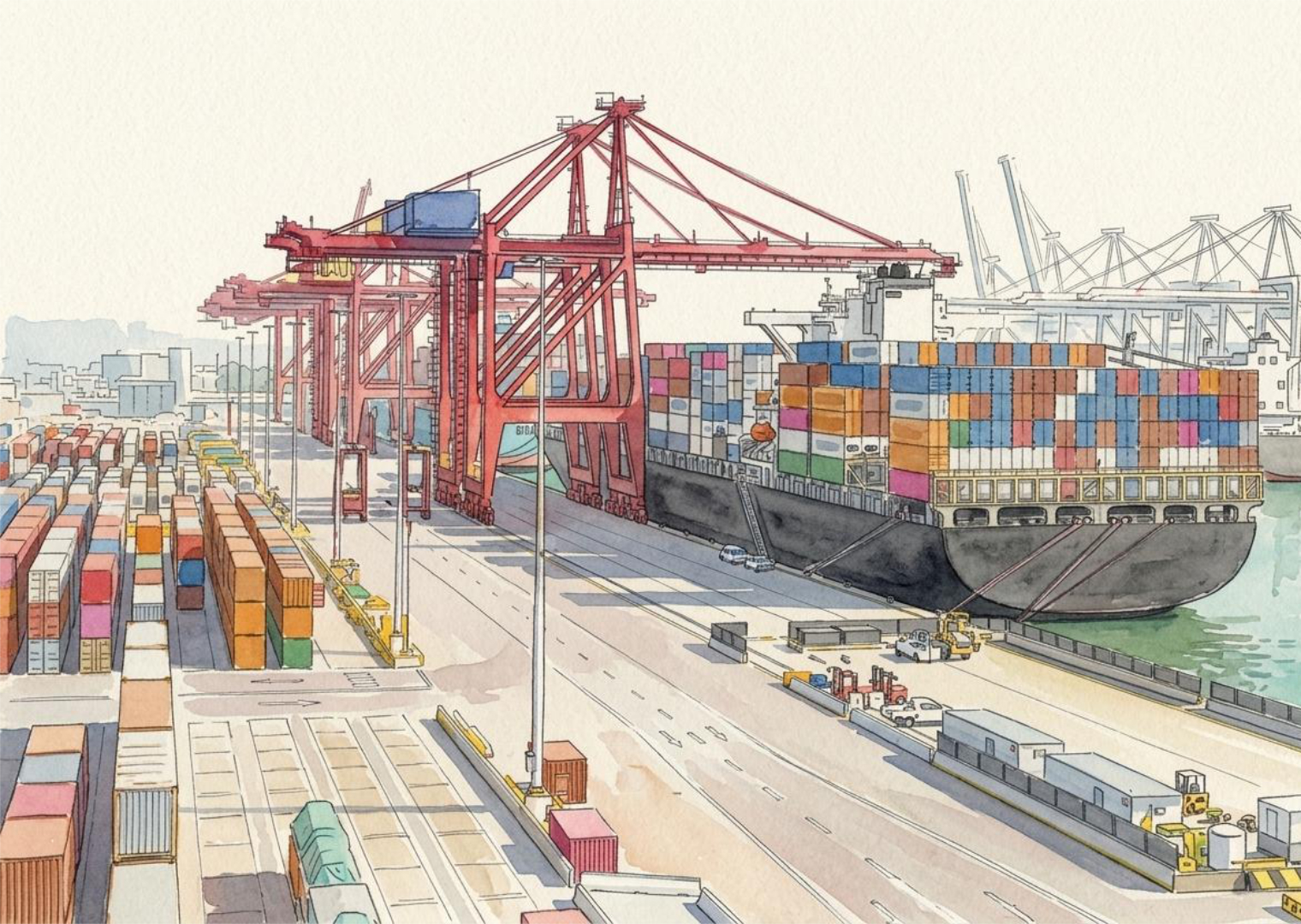
Material integrity: Where value is won or lost
Failure mode A container of mixed ferrous scrap was flagged during destination inspection for inconsistent grading and visible contamination. The shipment risked downgrade pricing and partial rejection. Documentation listed a higher-grade classification than the physical load supported.
Stabilize first Pause further shipments under the same classification. Notify the buyer immediately and request a joint review window. Internally, isolate remaining inventory linked to the shipment and suspend loading under the affected grade.
Regrade and segregate Open the container under controlled conditions. Separate materials into compliant grades and isolate contaminated portions. Assign revised classifications based on actual material composition, not original purchase assumptions.
Repack and reconcile Repack compliant material into a corrected shipment. Contaminated or lower-grade material is reassigned to separate containers. Update all documentation to reflect revised weights, grades, and pricing structures before re-export.
System correction Introduce intake-level grading checks and pre-loading inspection protocols. Align yard classification practices with export specifications to prevent recurrence. Reinforce the rule: “Grade at intake, confirm before loading.”
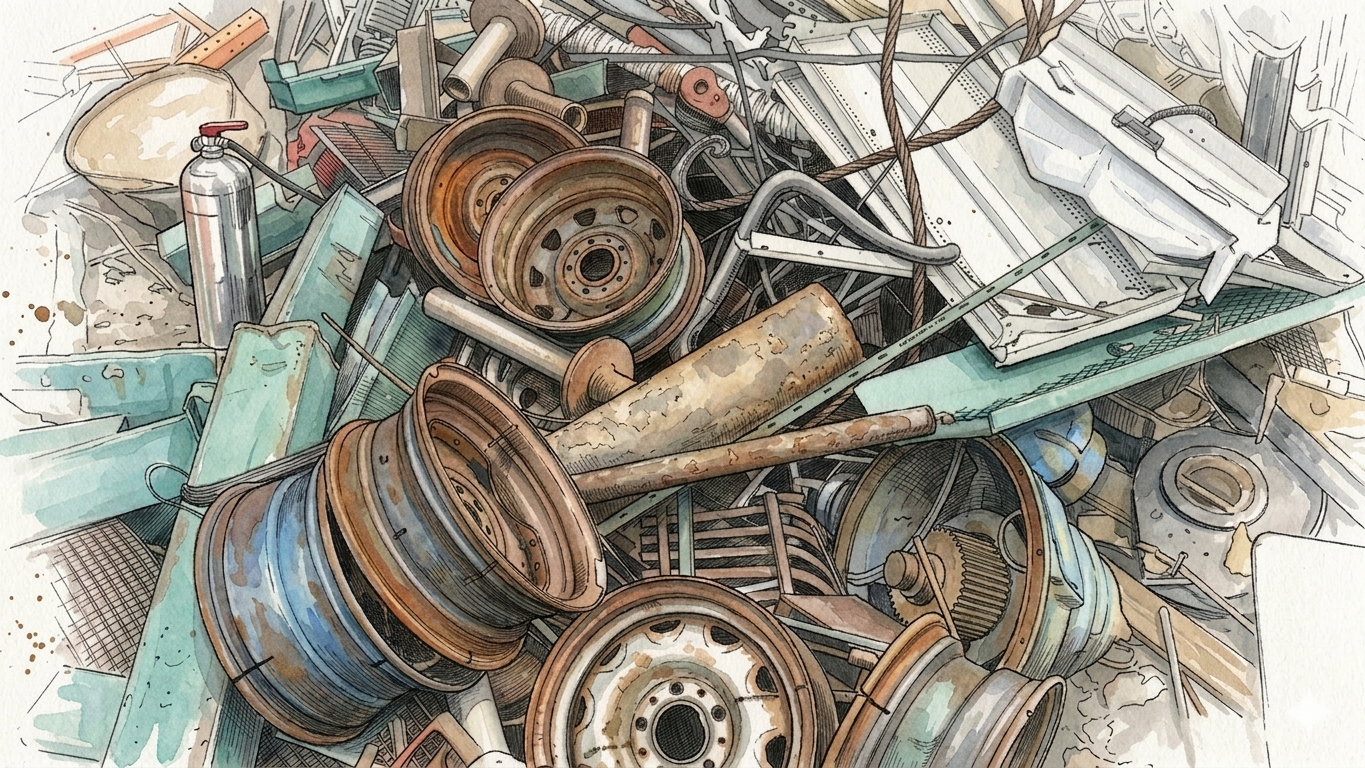
Load sets the standard
Did you know?
Most grading disputes originate at intake, not at export. A second inspection before container sealing reduces rejection risk and protects pricing integrity

Subscribe to the Recyclore Brief
Stay informed on material flows, market signals, and platform activity—delivered with clarity, discipline, and a focus on how the ecosystem is evolving in real terms.