
A Coordinated System for Industrial Recovery
Recyclore is an integrated platform connecting collectors, scrap yards, and industrial suppliers to global recycling markets. It introduces coordination, export infrastructure, and financing into a fragmented industry, enabling independent operators to participate in a more structured and scalable regional system.
It operates at the intersection of supply, processing, and market access—introducing coordination into a fragmented system and enabling independent operators to participate in larger, more consistent international flows.
Responsible Industrial Recovery
Material recovery reduces environmental impact while supporting industrial continuity, resource efficiency, and long-term resilience across regional and global supply chains.
Recyclore approaches sustainability through structure—improving how materials are recovered, processed, and reintroduced into productive use.
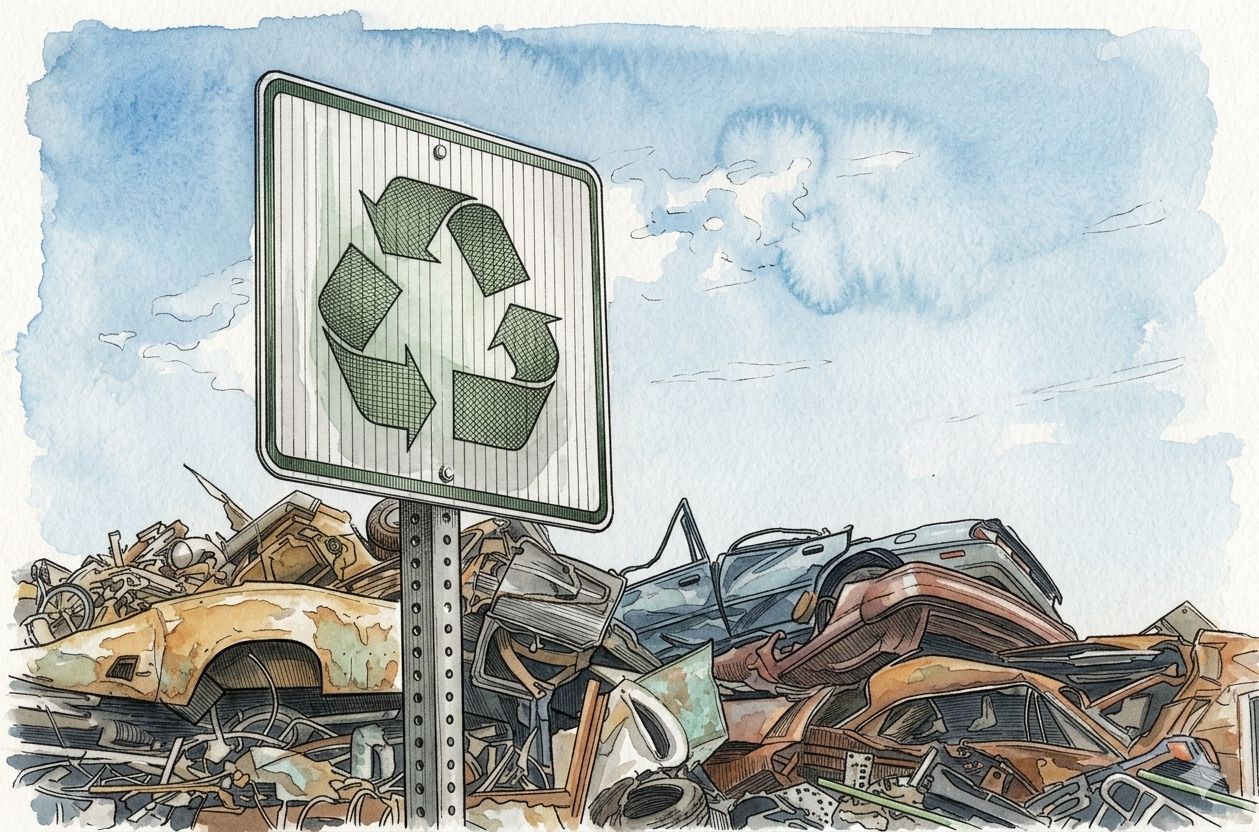
Sustainability Through System Design
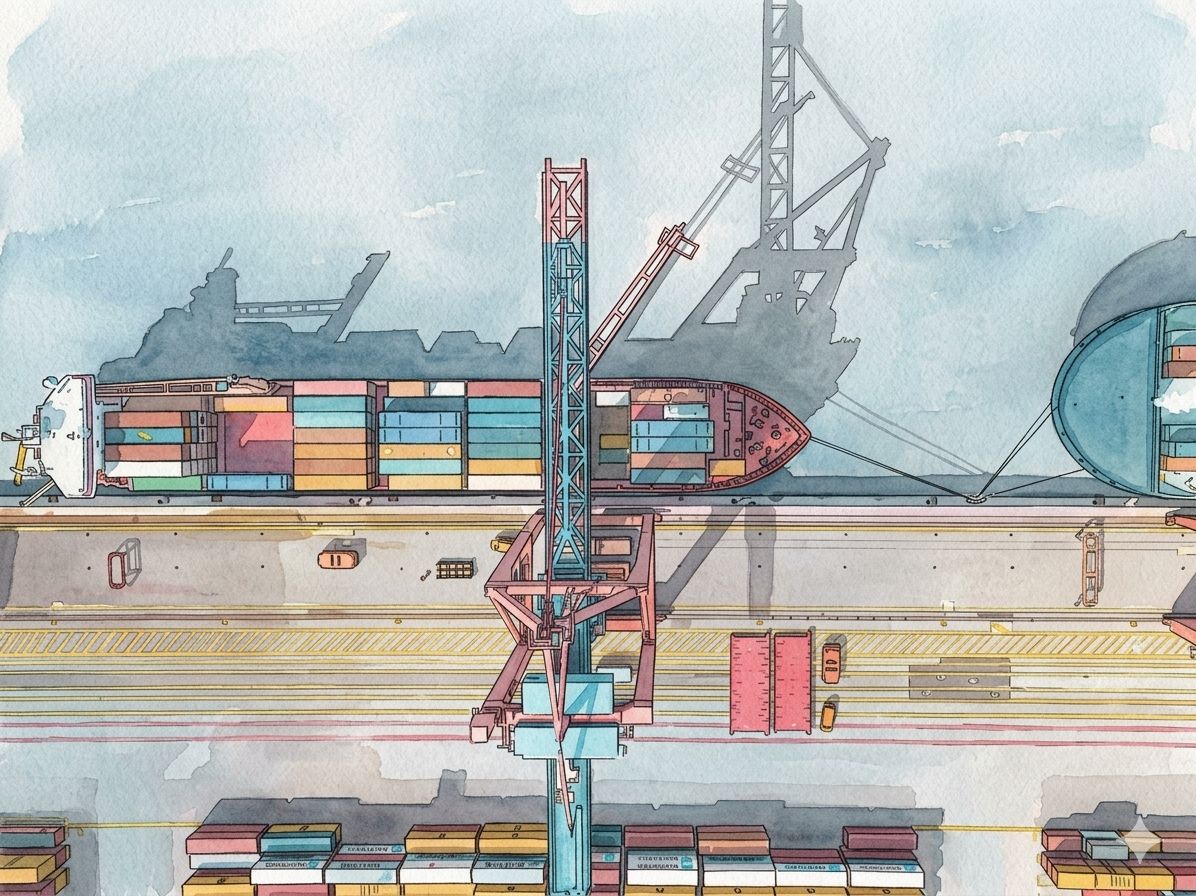
Sustainability in the Caribbean is inseparable from the way recovery systems function within a constrained and fragile environment. Limited land, coastal exposure, and biodiversity sensitivity amplify the consequences of unmanaged waste and inefficient material handling. Recyclore addresses this through structured coordination—improving how materials move across collectors, yards, and export channels, reducing leakage into landfills and waterways, and aligning recovery activity with real market demand. The result is a more controlled, visible system where environmental pressure is actively reduced through better execution.
As coordination strengthens and throughput increases, the environmental gains become measurable at scale. Metal recycling alone can reduce energy consumption by up to 74% compared to primary production, while lowering emissions and easing dependence on landfill use—critical in small island contexts. By enabling higher recovery rates and more efficient processing across the region, Recyclore supports a circular industrial model that preserves limited land resources, reduces ecological strain, and converts waste into sustained economic and environmental value.
Sustainability Through System Design
Sustainability in the Caribbean is inseparable from the way recovery systems function within a constrained and fragile environment. Limited land, coastal exposure, and biodiversity sensitivity amplify the consequences of unmanaged waste and inefficient material handling. Recyclore addresses this through structured coordination—improving how materials move across collectors, yards, and export channels, reducing leakage into landfills and waterways, and aligning recovery activity with real market demand. The result is a more controlled, visible system where environmental pressure is actively reduced through better execution.
As coordination strengthens and throughput increases, the environmental gains become measurable at scale. Metal recycling alone can reduce energy consumption by up to 74% compared to primary production, while lowering emissions and easing dependence on landfill use—critical in small island contexts. By enabling higher recovery rates and more efficient processing across the region, Recyclore supports a circular industrial model that preserves limited land resources, reduces ecological strain, and converts waste into sustained economic and environmental value.








Circular Material Flows
Supporting continuous reuse of materials through coordinated recovery, processing, and reintegration into global supply chains.
Environmental Responsibility
Advancing responsible handling, reduced waste, and improved material movement across the regional recovery system.
Industry Development
Strengthening coordination, standards, and infrastructure to support long-term resilience and sustainability across the recovery ecosystem.
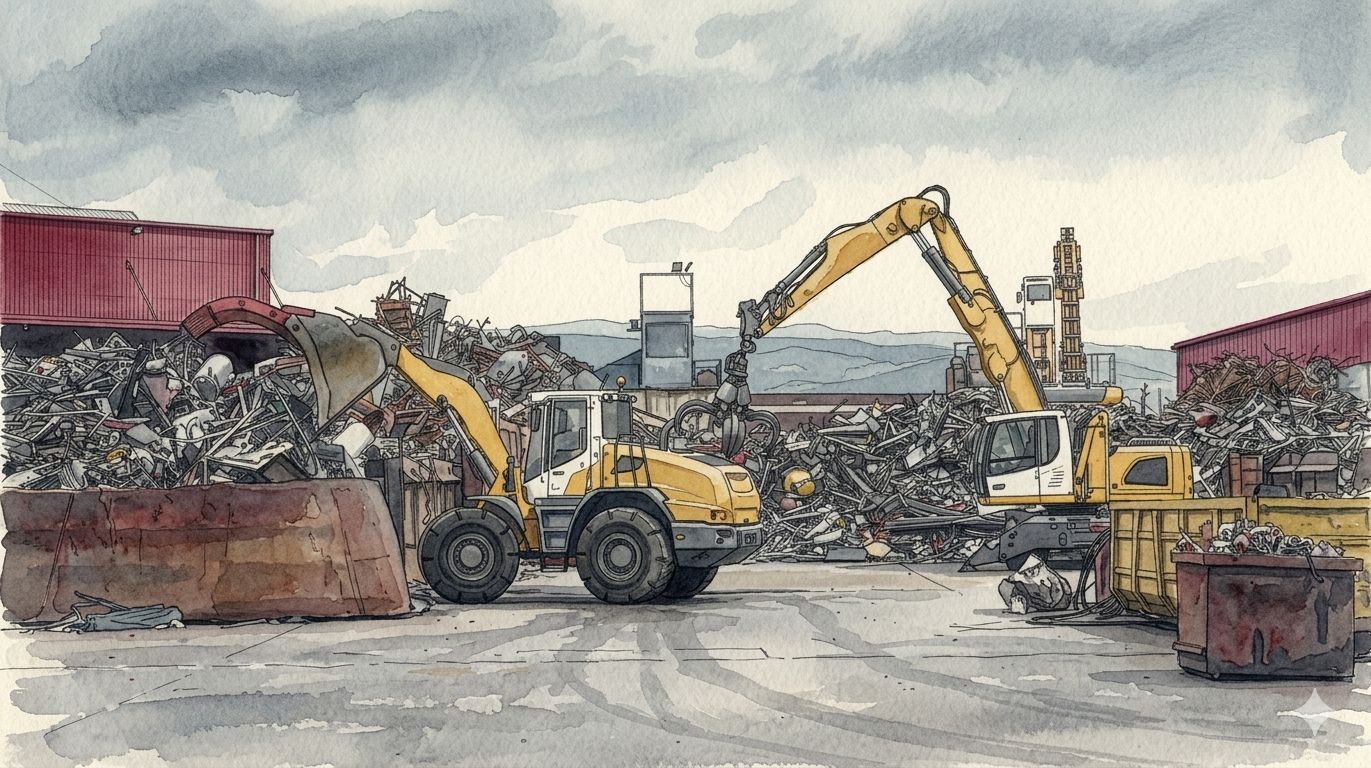
Join the Recyclore network
Collaborate with a platform designed to strengthen the recycling industry. Recyclore connects supply networks, export markets, and operational infrastructure across the Caribbean.


Enter the Ecosystem Hub
Access the operational core of Recyclore—where material flows, financing, logistics, and market access converge into a coordinated system designed to support execution, visibility, and scalable growth across the network.