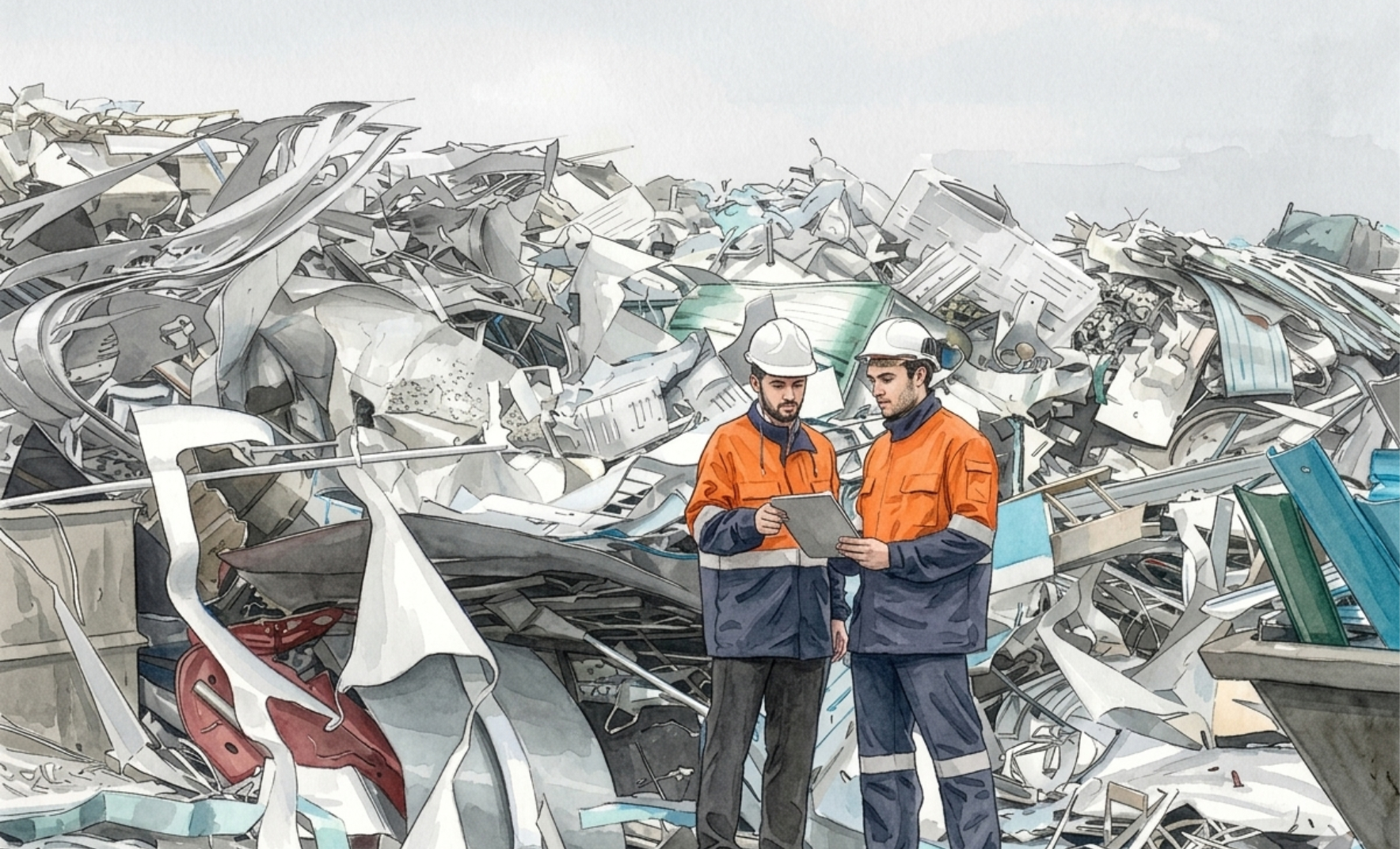
Unlocking Economic Value Through Structured Recycling
Value increases when systems replace fragmentation. How coordination, standardization, and financing convert irregular scrap flows into consistent economic output.
Value is often underrealized
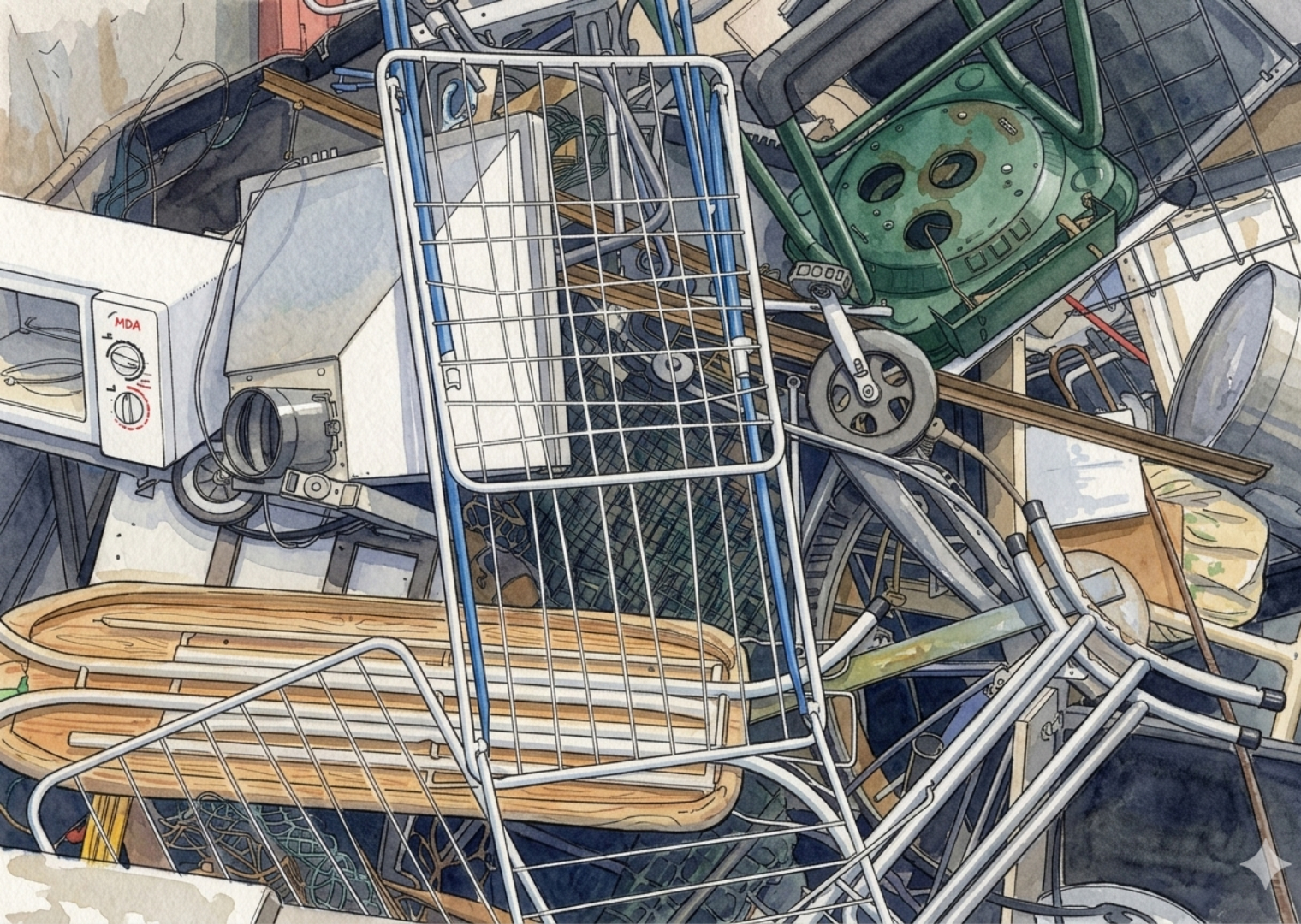
Scrap is widely available, but much of its economic potential is lost through inefficiencies. Irregular supply, inconsistent grading, and fragmented logistics reduce pricing outcomes and limit scale.
Without structure, value remains constrained.
Structuring the flow
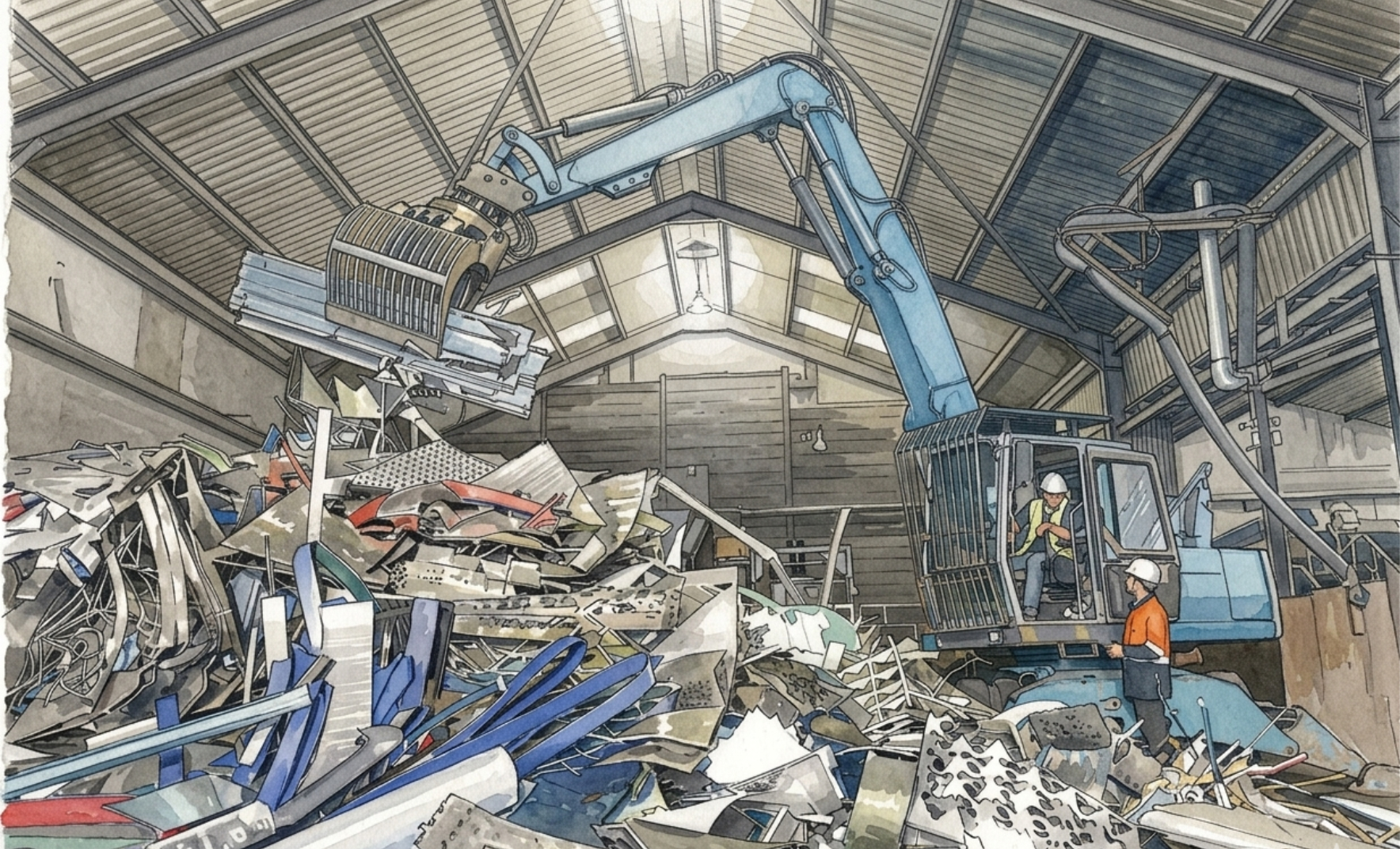
Structured recycling introduces coordination across collection, aggregation, processing, and export. Standardized practices improve material quality, while aligned logistics enable consistent movement.
This converts fragmented supply into reliable output.
Enabling economic scale
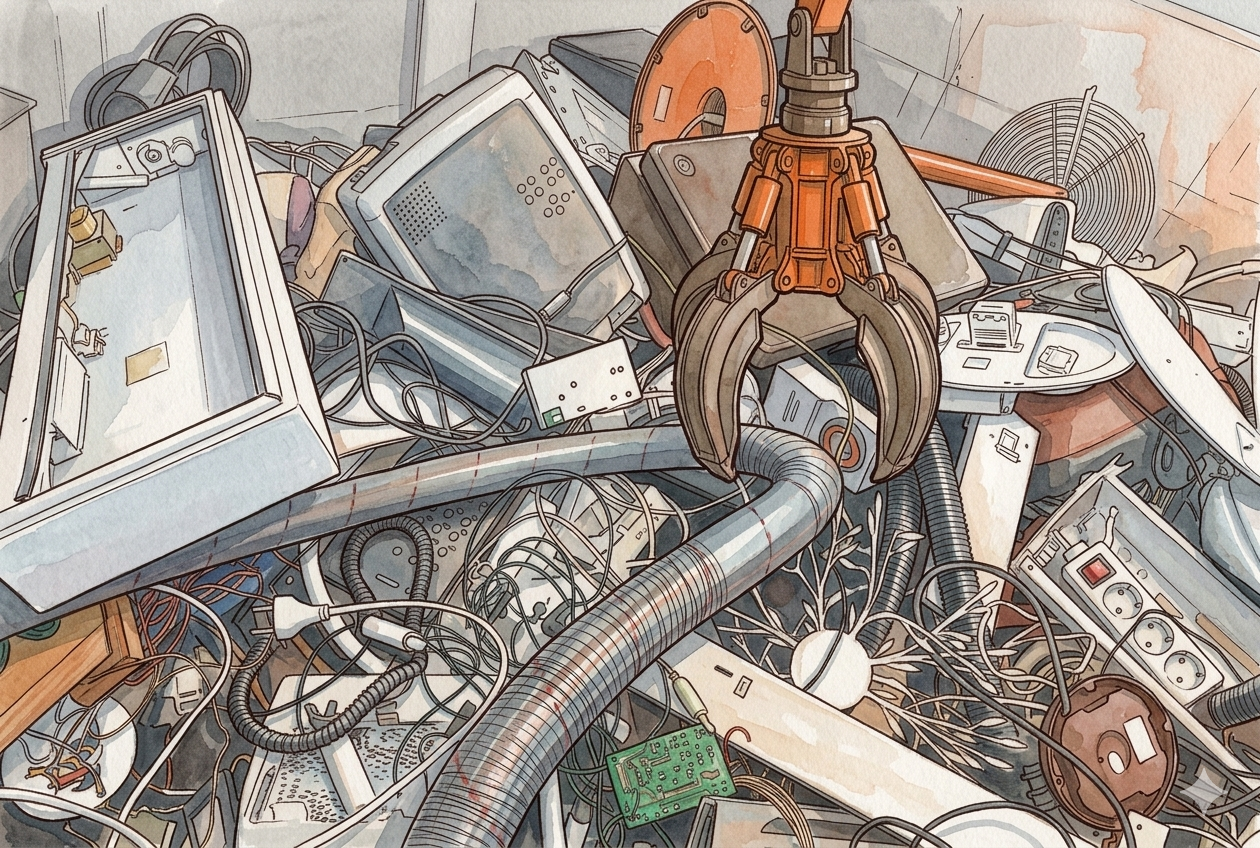
When supply is consistent, larger export volumes become possible. This improves pricing leverage, reduces unit costs, and increases participation across the network.
Scale is achieved through coordination, not consolidation.
Linking finance and operations
Access to working capital allows material to be acquired, held, and aggregated effectively. Financing aligned with shipment cycles supports continuous flow and prevents premature sales at reduced prices.
Liquidity enables value realization.
From activity to output
Structured systems convert activity into measurable economic output. Material moves efficiently, pricing improves, and the industry operates with greater stability.
Market Insight
Structure unlocks value.


Subscribe to the Recyclore Brief
Stay informed on material flows, market signals, and platform activity—delivered with clarity, discipline, and a focus on how the ecosystem is evolving in real terms.