Mixed Scrap Contamination: Segregate, Recover, and Revalue (Anonymized Case File)
A high-volume load is downgraded due to embedded non-metal and mixed grades. How controlled segregation, recovery discipline, and reclassification restored shipment value.
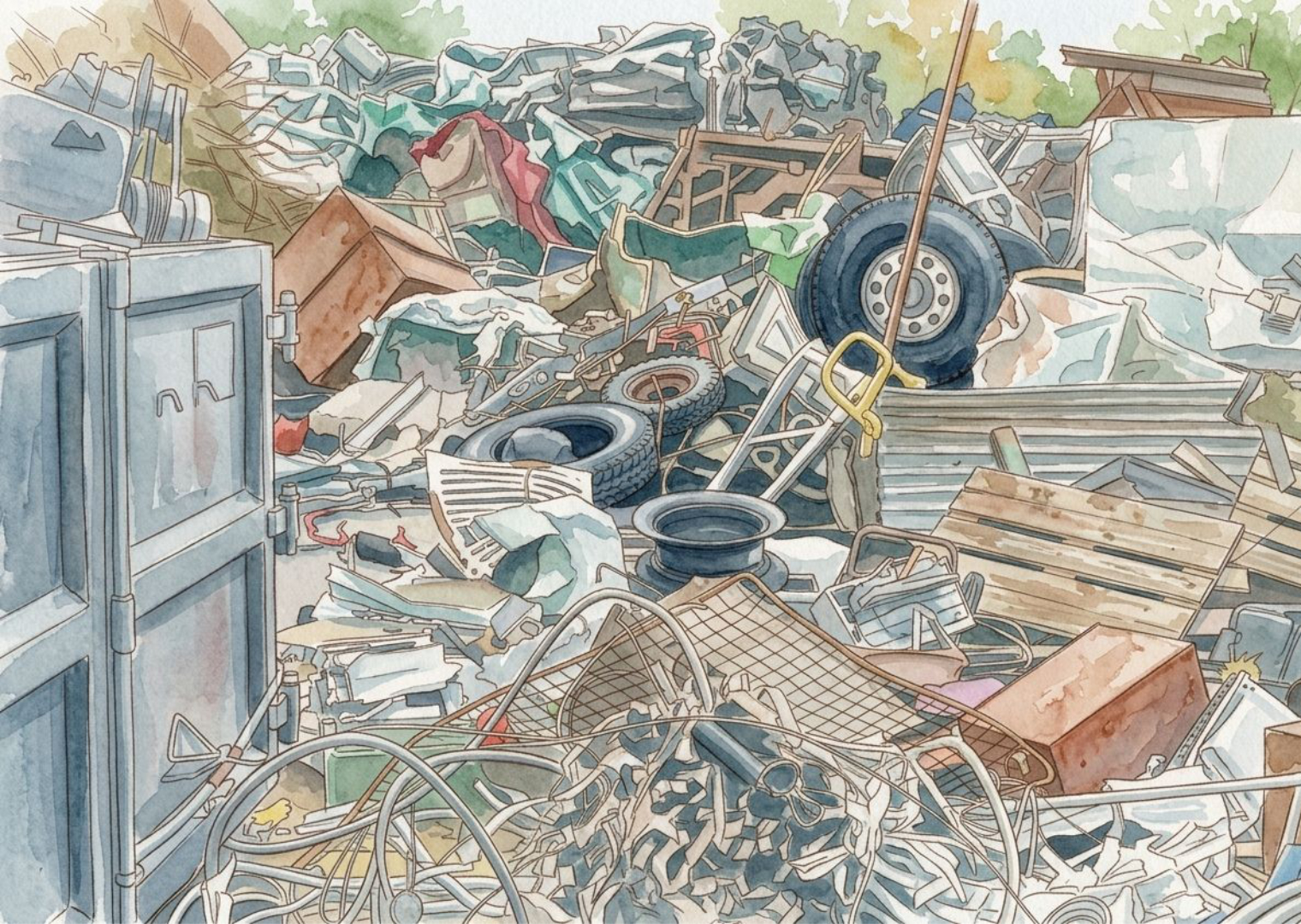
Contamination erodes value quickly
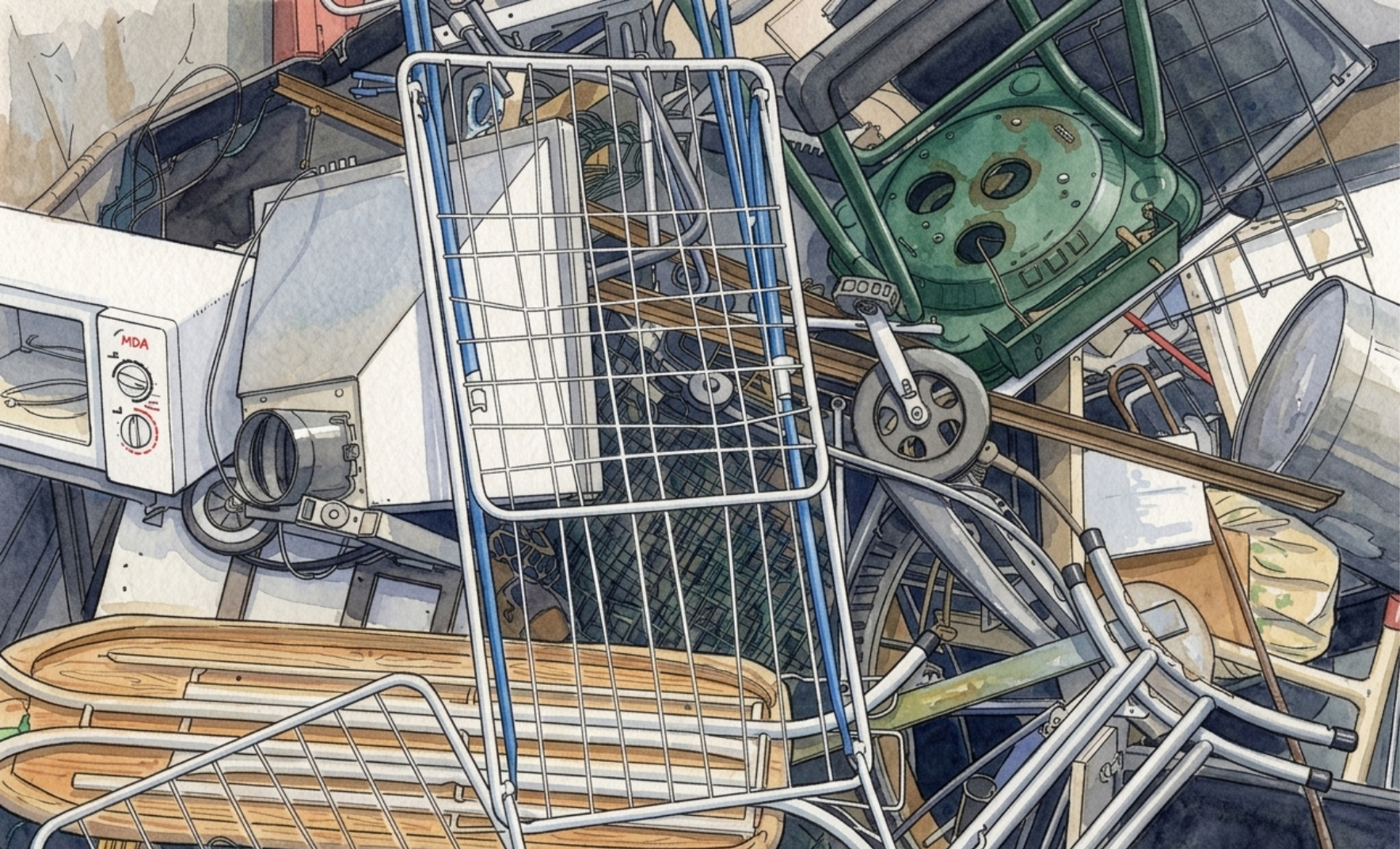
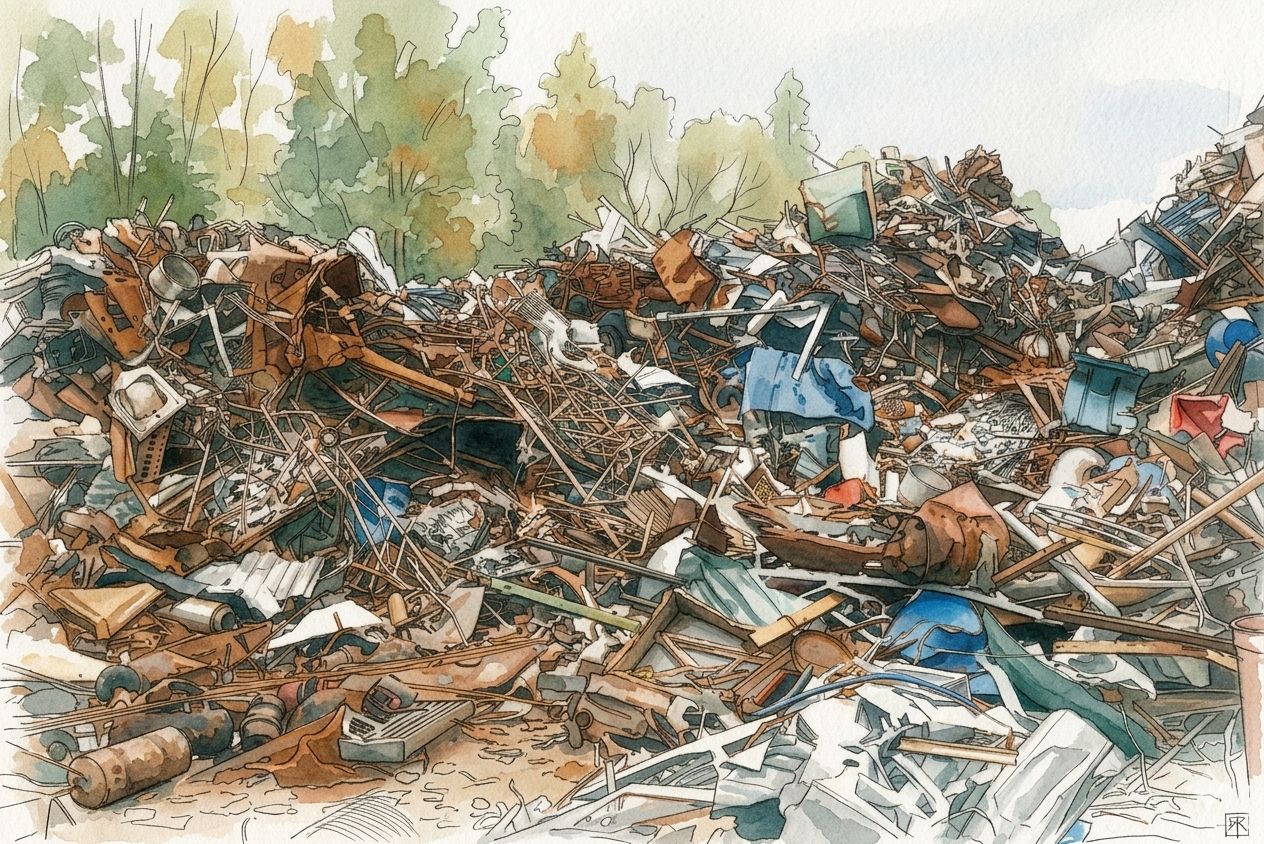
Failure mode A mixed scrap load containing plastics, rubber, and light non-ferrous contamination was identified during pre-export inspection. The material failed to meet buyer specifications for the declared grade, triggering a downgrade risk and potential price adjustment.
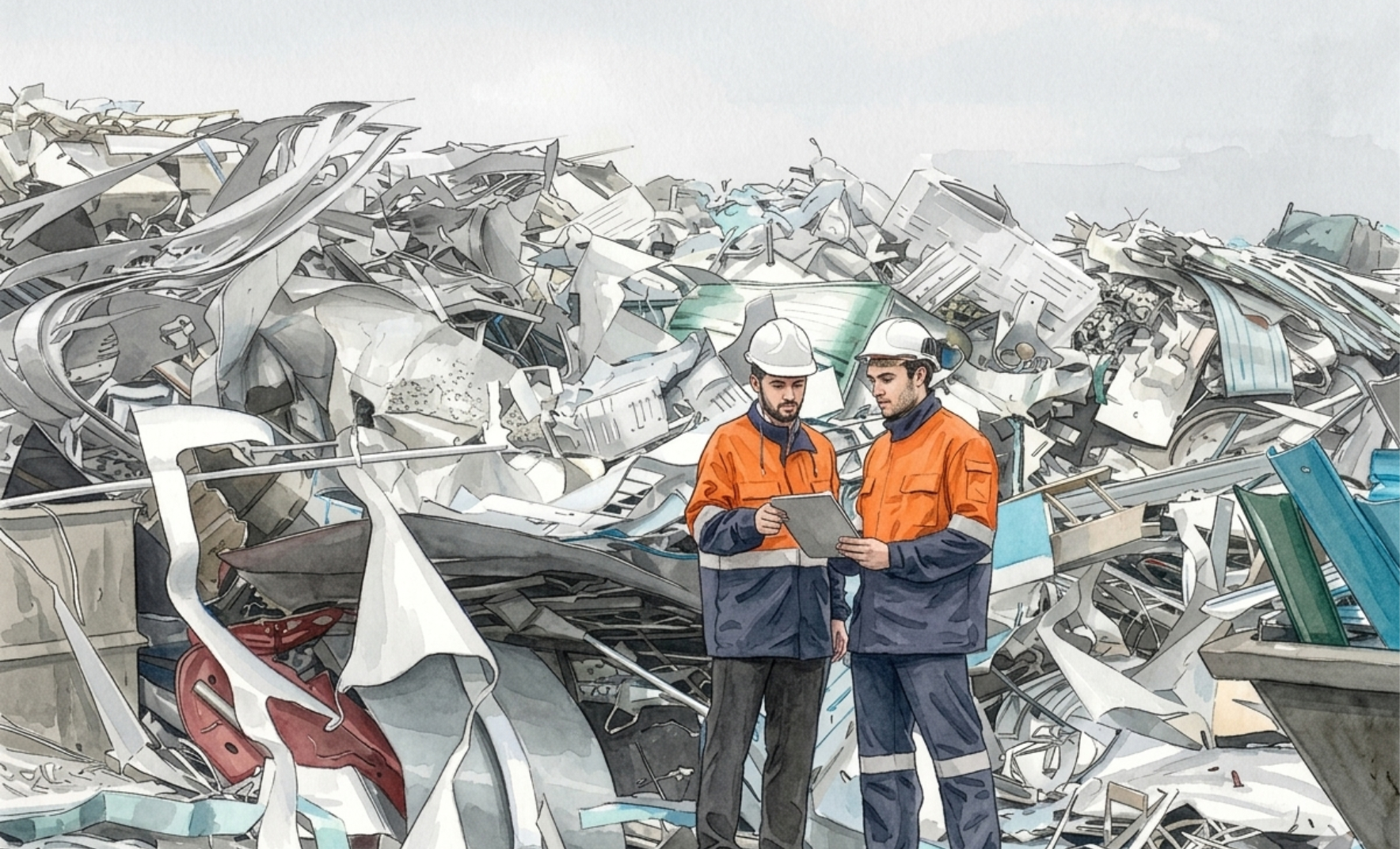
Stabilize first Halt loading under the affected classification. Isolate contaminated batches and prevent further blending with clean material. Notify internal teams and confirm specification thresholds with the buyer before proceeding.
Segregate and recover Deploy manual and mechanical sorting to separate metal from non-metal components. Prioritize recovery of higher-grade fractions while isolating residual contaminated material for reclassification or alternative sale.
Reclassify and revalue Assign corrected grades based on recovered material streams. Clean fractions are restored to higher-value categories, while lower-grade or mixed residues are redirected into appropriate pricing brackets.
System correction Introduce stricter intake screening and reject thresholds for contaminated loads. Reinforce handling protocols to prevent mixing at the yard level. Field rule: “Contamination spreads faster than volume—separate early.”
Did you know? The most persuasive “zero‑waste” metric isn’t a percentage—it’s a manifest trail that shows every hazardous kilogram’s licensed endpoint


Subscribe to the Recyclore Brief
Stay informed on material flows, market signals, and platform activity—delivered with clarity, discipline, and a focus on how the ecosystem is evolving in real terms.