The Role of Recycling in Industrial Sustainability
Recycling supports industrial continuity. How recovered metals reduce resource intensity, stabilize supply, and strengthen long-term production systems.
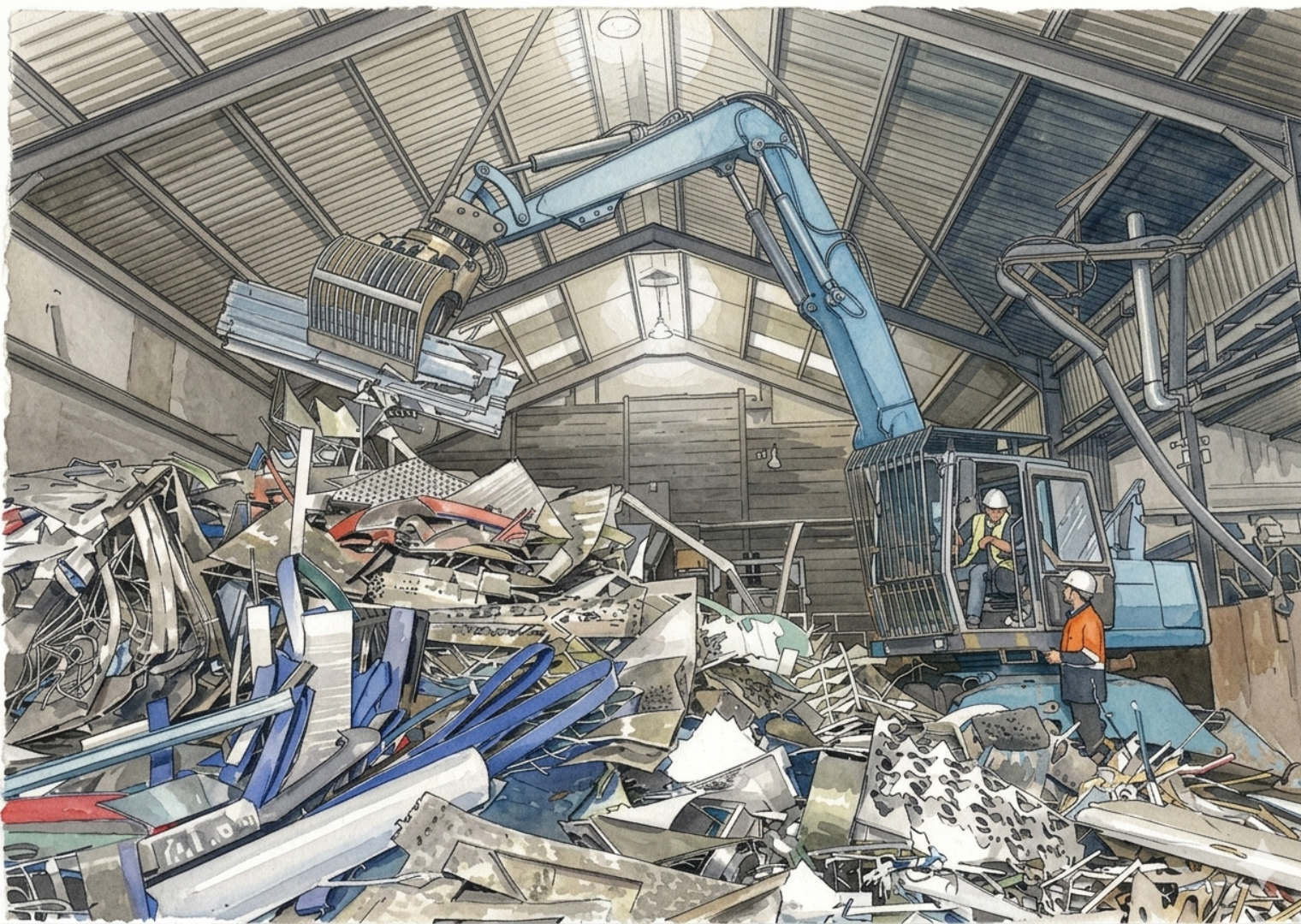
Recycling supports production
Industrial activity depends on reliable material inputs. Recycled metals supplement primary resources, providing a consistent and accessible source of raw material for manufacturing and construction.
This reduces dependence on extraction and improves supply continuity.
Reducing resource intensity
Producing metals from recycled material requires less energy and fewer inputs compared to primary extraction. This lowers operational intensity across industrial processes.
Efficiency at the material level contributes directly to sustainability outcomes.
Stabilizing supply chains
Recycling introduces flexibility into supply chains. When primary material supply is constrained, recycled inputs provide an alternative source.
This improves resilience across industrial systems and reduces exposure to supply disruptions.
Operational alignment
For recycling to support sustainability, material must be prepared to consistent standards. Quality, grading, and documentation ensure that recycled inputs integrate seamlessly into production processes.
Consistency enables adoption at scale.
From recovery to resilience
Recycling is not only about waste reduction—it is about strengthening the systems that depend on material flow.
Field Note
Sustainable systems are built on reliable inputs.


Subscribe to the Recyclore Brief
Stay informed on material flows, market signals, and platform activity—delivered with clarity, discipline, and a focus on how the ecosystem is evolving in real terms.