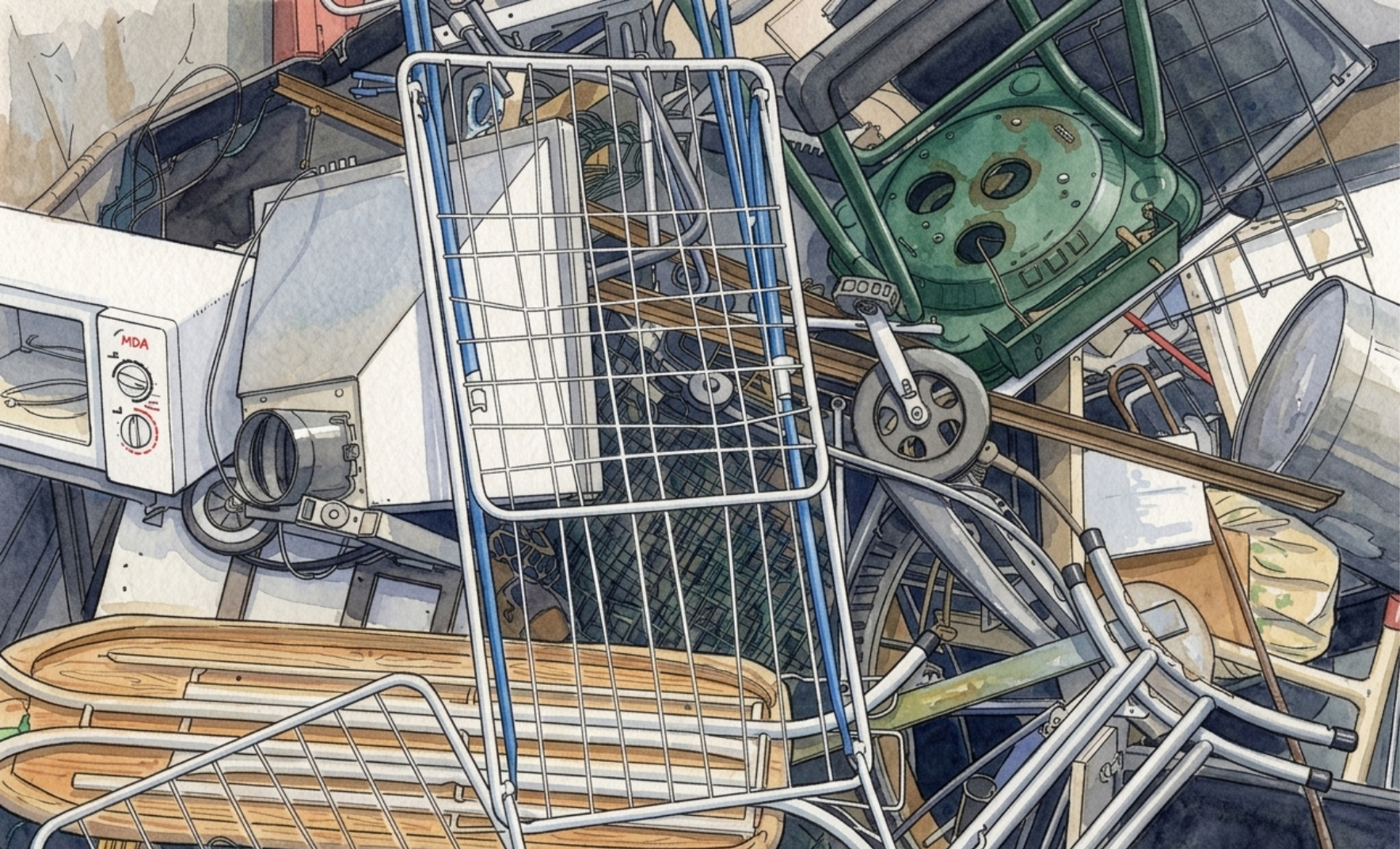
Yard Cash Flow Breakdown: Stabilize, Aggregate, and Export (Anonymized Case File)
Caribbean cruise visits rebounded; CLIA forecasts “37.7 million” passengers in 2025. How ports choreograph peak-day ops
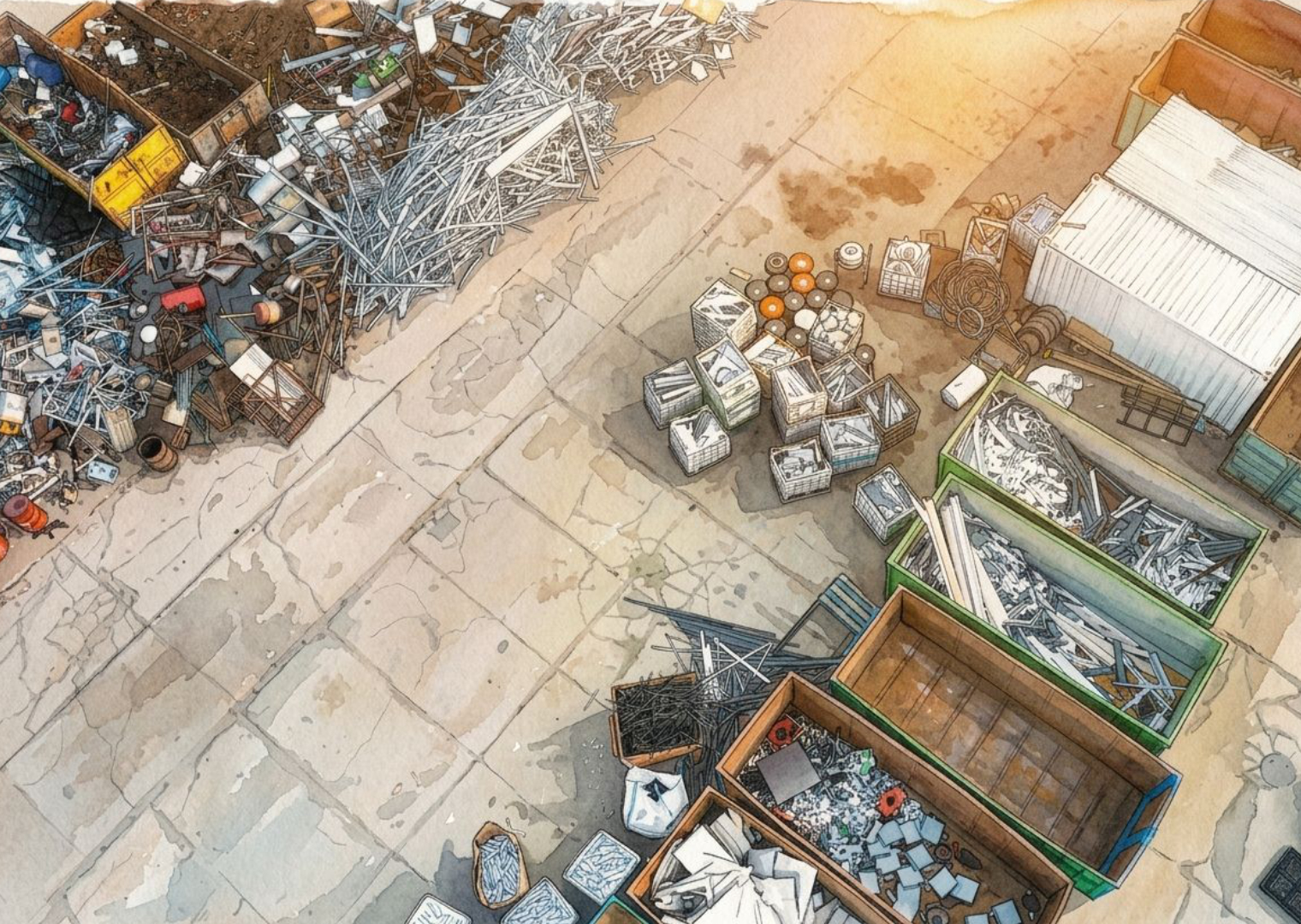
Liquidity stops the flow
Failure mode. The yard exhausted working capital and could no longer purchase scrap from collectors. Supply slowed, relationships weakened, and available material began diverting to competing yards.
Stabilize first. Preserve existing inventory and halt non-essential expenses. Assess payable obligations and confirm immediate liquidity requirements to restart purchasing activity.
Inject and prioritize. Introduce short-term working capital tied to available inventory and near-term export potential. Prioritize high-turnover materials that can be aggregated and moved quickly.
Aggregate and prepare. Resume purchasing in controlled volumes, focusing on materials aligned with export demand. Prepare inventory for shipment through sorting, grading, and consolidation.
Export and recycle capital. Execute coordinated shipments to convert inventory into cash. Use proceeds to restore purchasing capacity and stabilize supply relationships.
System correction. Establish ongoing working capital support aligned with shipment cycles. Field rule: “Flow of material follows flow of cash.”
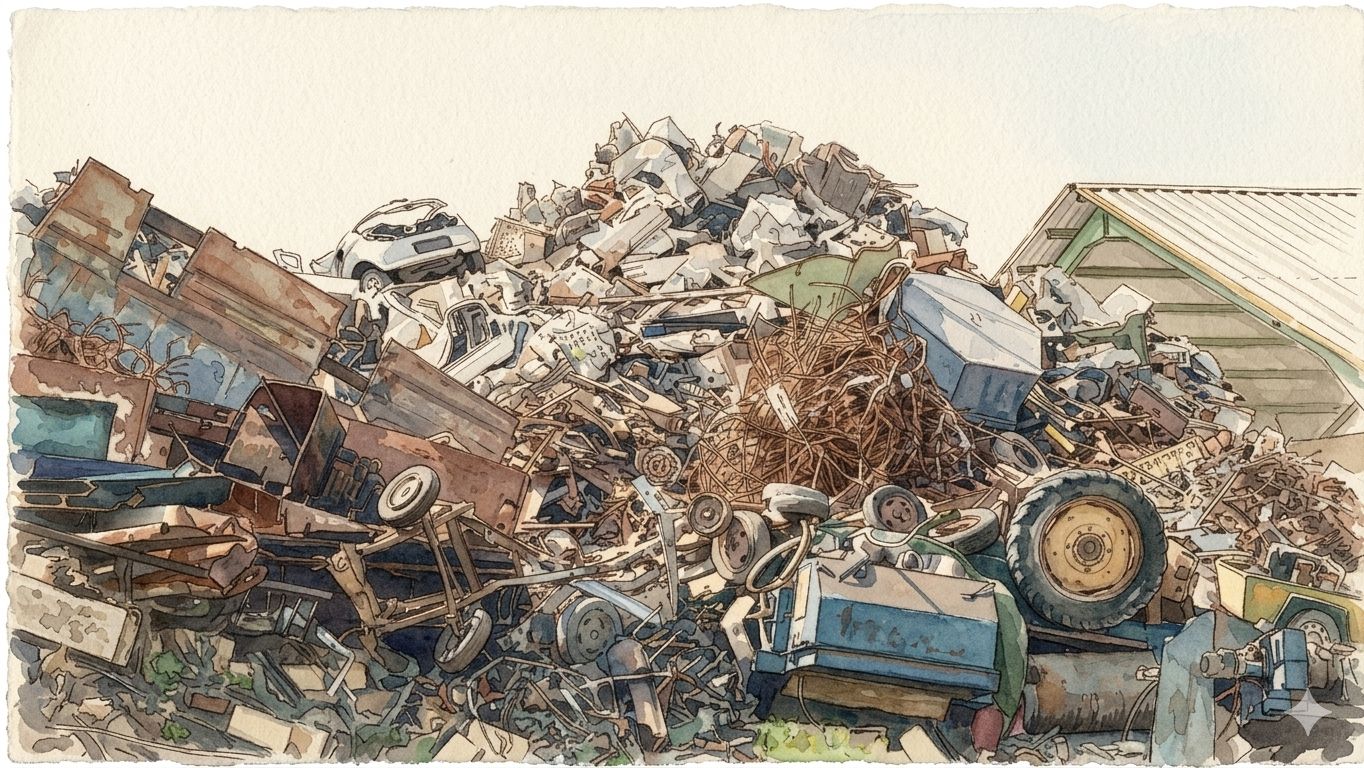
Cash flow drives supply
Operator Rule
Consistent access to working capital is critical. When purchasing stops, supply shifts quickly and is difficult to recover.

Subscribe to the Recyclore Brief
Stay informed on material flows, market signals, and platform activity—delivered with clarity, discipline, and a focus on how the ecosystem is evolving in real terms.