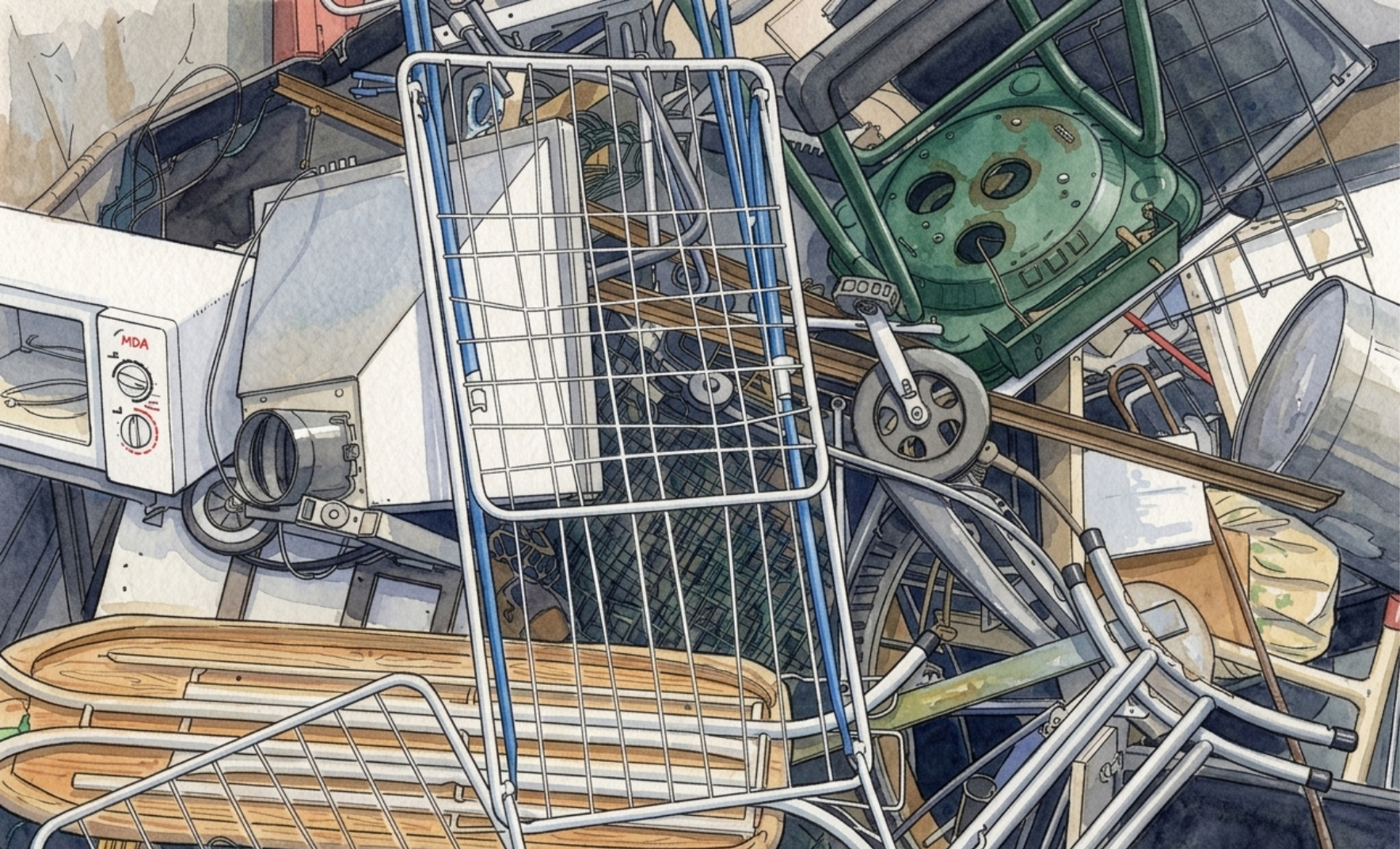
Underweight Containers: Rebalance, Densify, and Optimize (Anonymized Case File)
Repeated underfilled containers reduce shipment efficiency and increase freight cost per ton. How densification and load planning restored weight consistency and improved export margins.
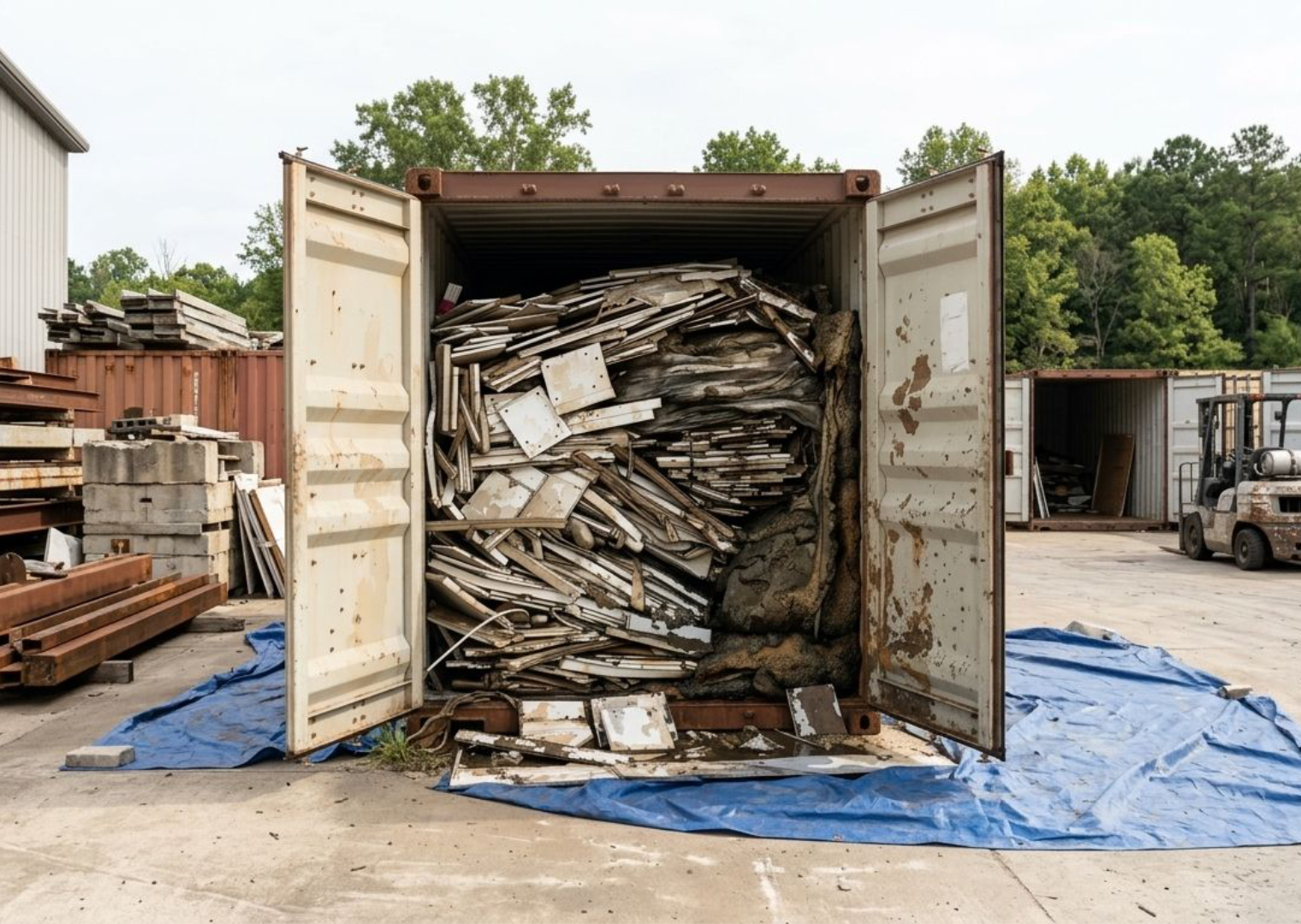
Empty space is lost margin
Failure mode Multiple containers were dispatched below optimal weight due to loose, low-density scrap and inconsistent loading practices. Freight costs remained fixed, reducing margin per ton and weakening overall shipment economics.
Stabilize first Pause further loading under current methods. Review recent container weights and identify material types contributing to low density. Separate high-volume, low-density scrap for corrective processing.
Densify and rebalance Introduce baling and compaction for light-gauge materials. Reconfigure loading practices to distribute weight evenly and maximize container utilization. Blend higher-density material where appropriate to improve overall load profile.
Standardize loading Establish target weight ranges per container and define loading sequences by material type. Assign supervision at loading points to verify weight distribution and prevent underutilization.
System correction Implement pre-loading checks and post-load weight verification. Track container performance over time to identify inefficiencies. Field rule: “Ship weight, not air.”
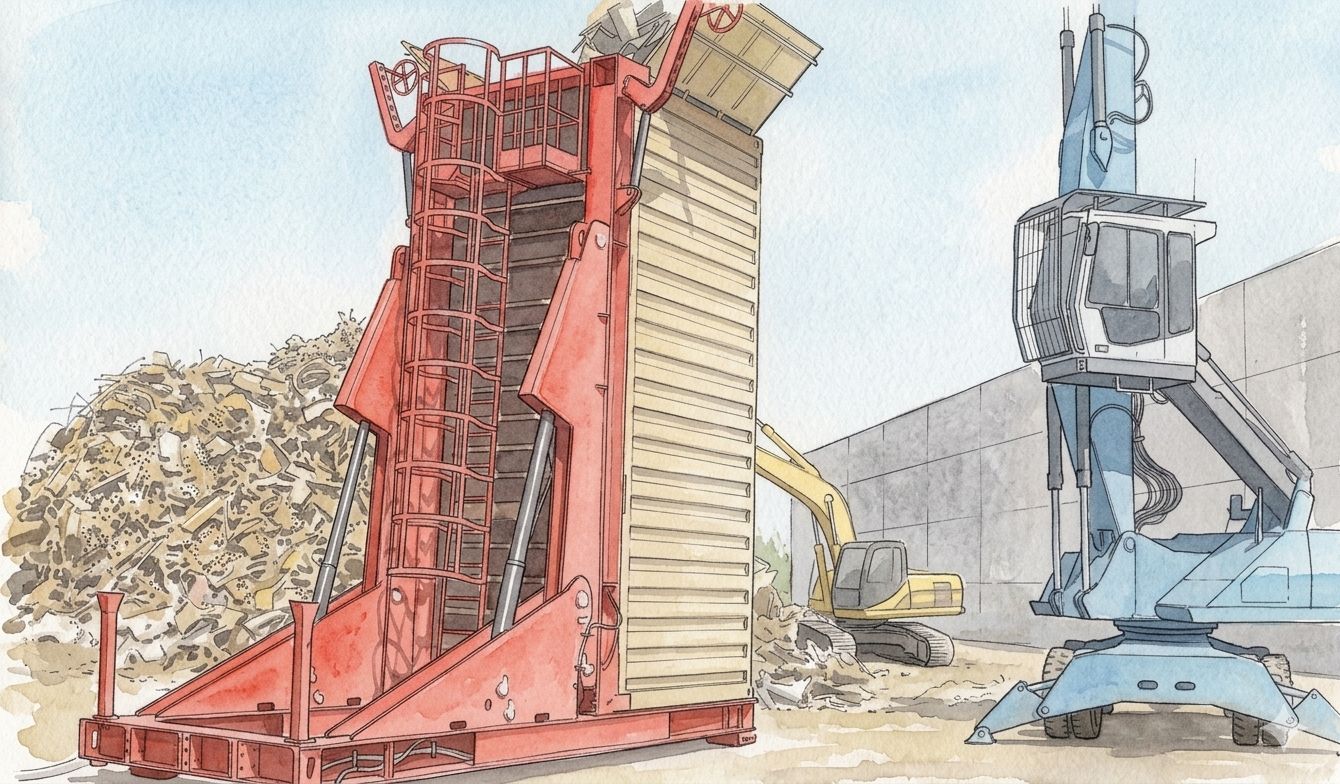
Density drives efficiency
Operator Rule
Light material should never move loose at scale. Densification before loading improves container utilization and protects shipment margins.


Subscribe to the Recyclore Brief
Stay informed on material flows, market signals, and platform activity—delivered with clarity, discipline, and a focus on how the ecosystem is evolving in real terms.