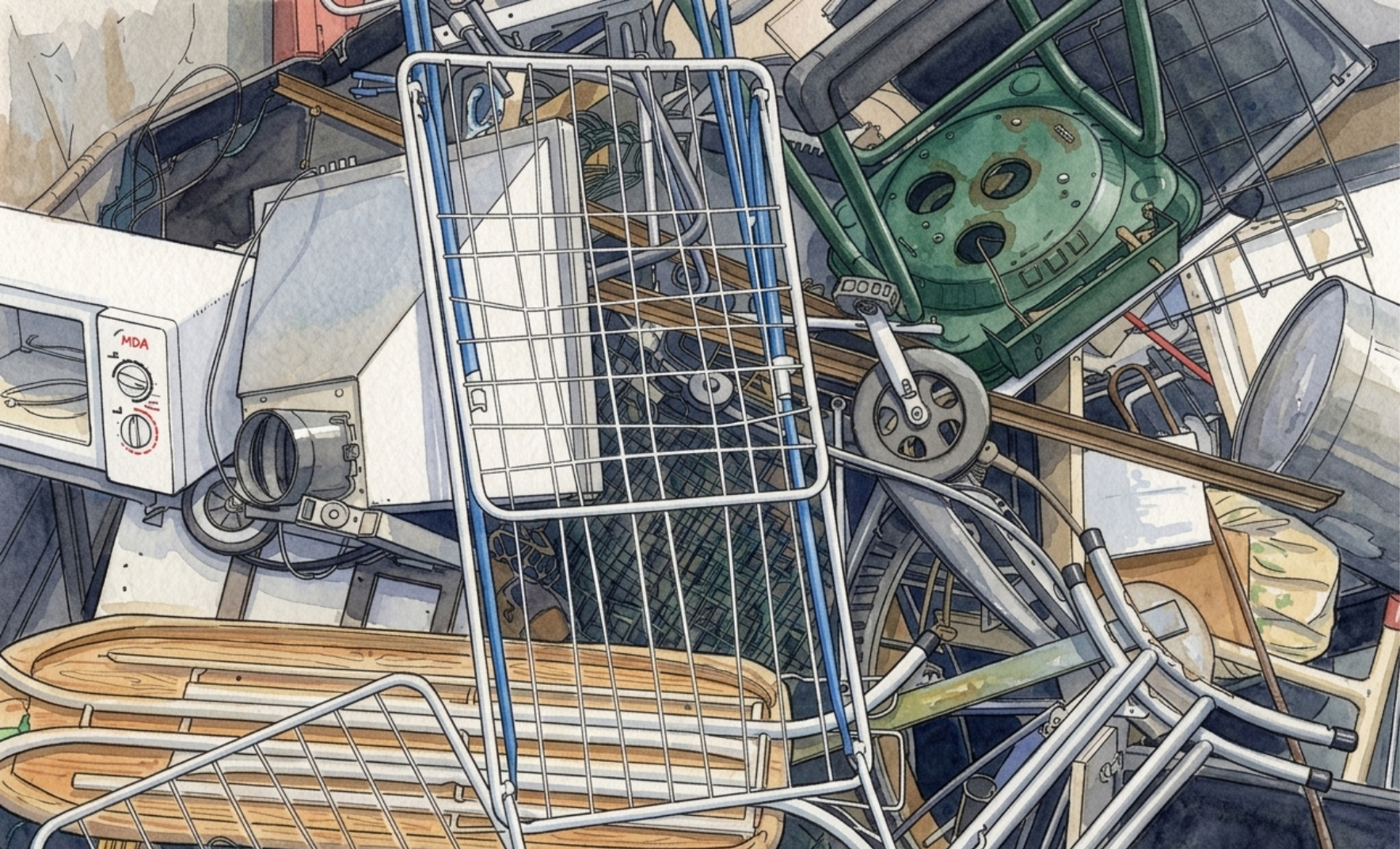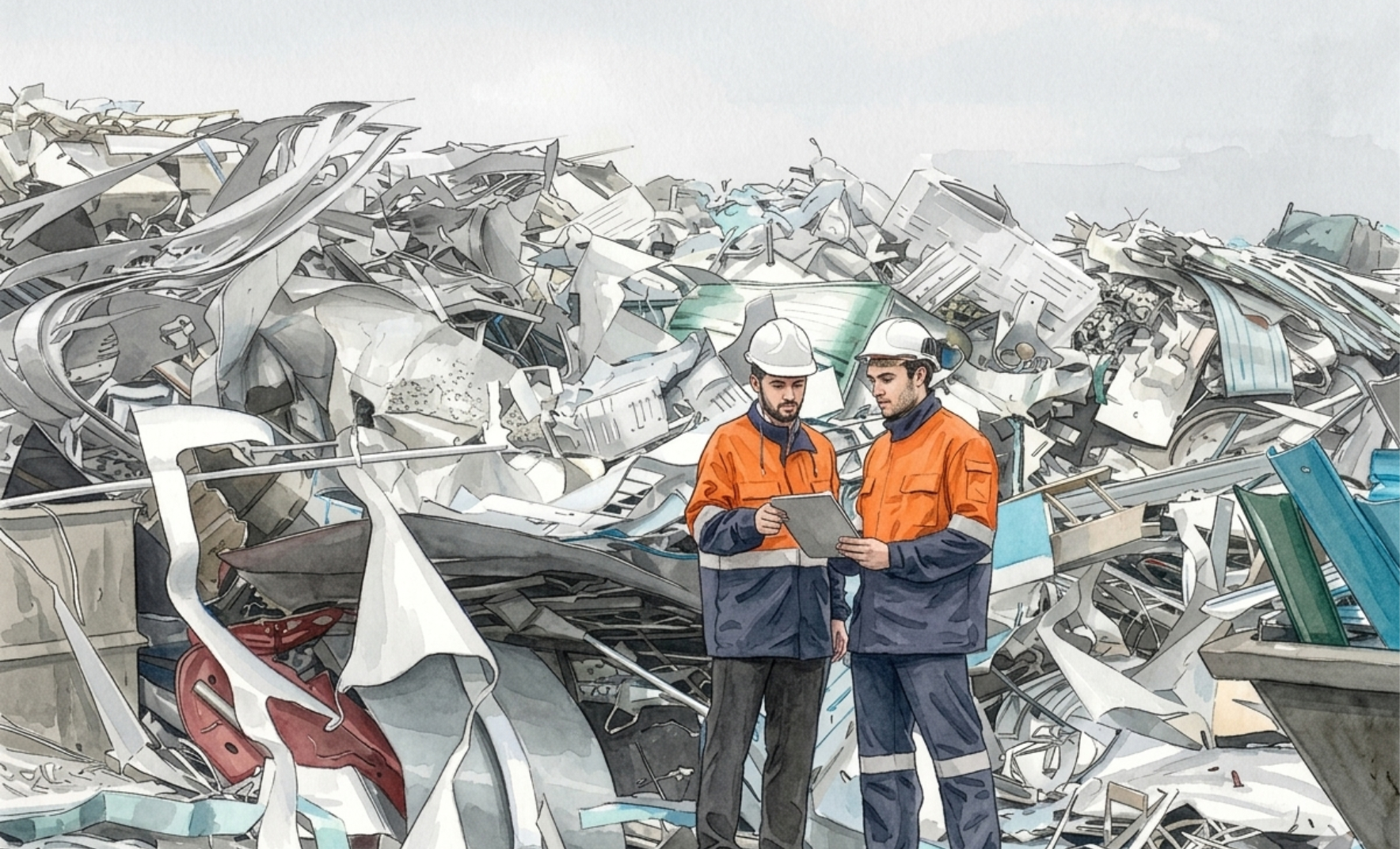
Strengthening the Circular Economy Through Metal Recovery
Metal recovery keeps materials in continuous use. How structured collection, preparation, and export strengthen circular systems and reduce waste.
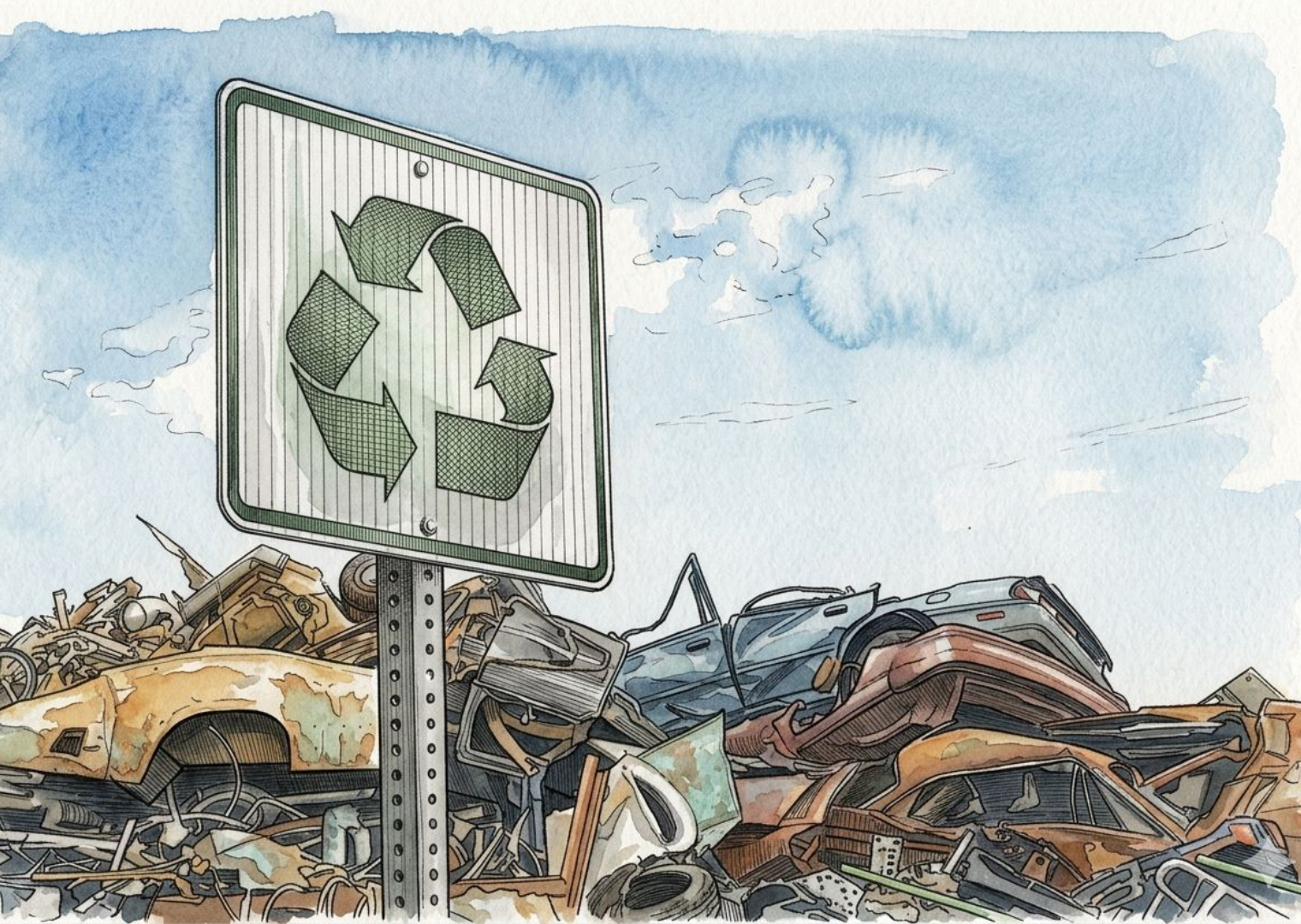
Metals are inherently circular
Unlike many materials, metals can be recycled repeatedly without significant loss of quality. This makes scrap recovery a critical component of the circular economy, where materials are kept in use rather than discarded.
Recovery is the starting point of that cycle.
From waste to resource
Scrap is often generated as a byproduct of construction, manufacturing, and daily activity. Without structured recovery systems, much of this material is lost or underutilized.
When recovered and processed, it becomes a valuable industrial input.
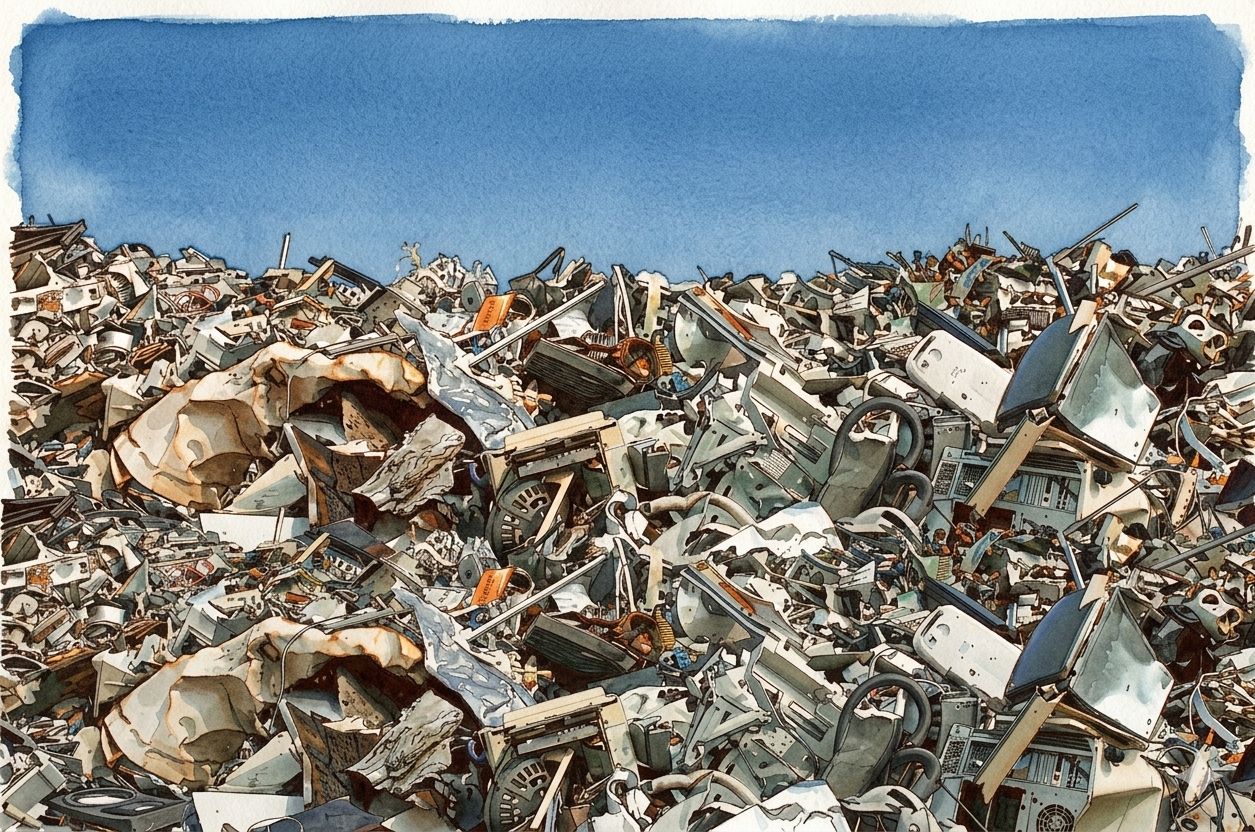
Enabling continuous flow
A functioning circular system depends on movement. Collection, aggregation, processing, and export must operate in coordination to keep materials flowing through the cycle.
Breaks in this flow reduce recovery rates and limit impact.
Efficiency improves sustainability
Efficient recovery reduces the need for primary extraction, lowering energy use and environmental impact. It also improves material utilization across industrial supply chains.
Sustainability is achieved through better systems, not just intent.
From recovery to system
Metal recovery is not an isolated activity—it is part of a broader industrial loop. Strengthening each stage improves the performance of the entire system.
Field Note
Recovery sustains the cycle.


Subscribe to the Recyclore Brief
Stay informed on material flows, market signals, and platform activity—delivered with clarity, discipline, and a focus on how the ecosystem is evolving in real terms.