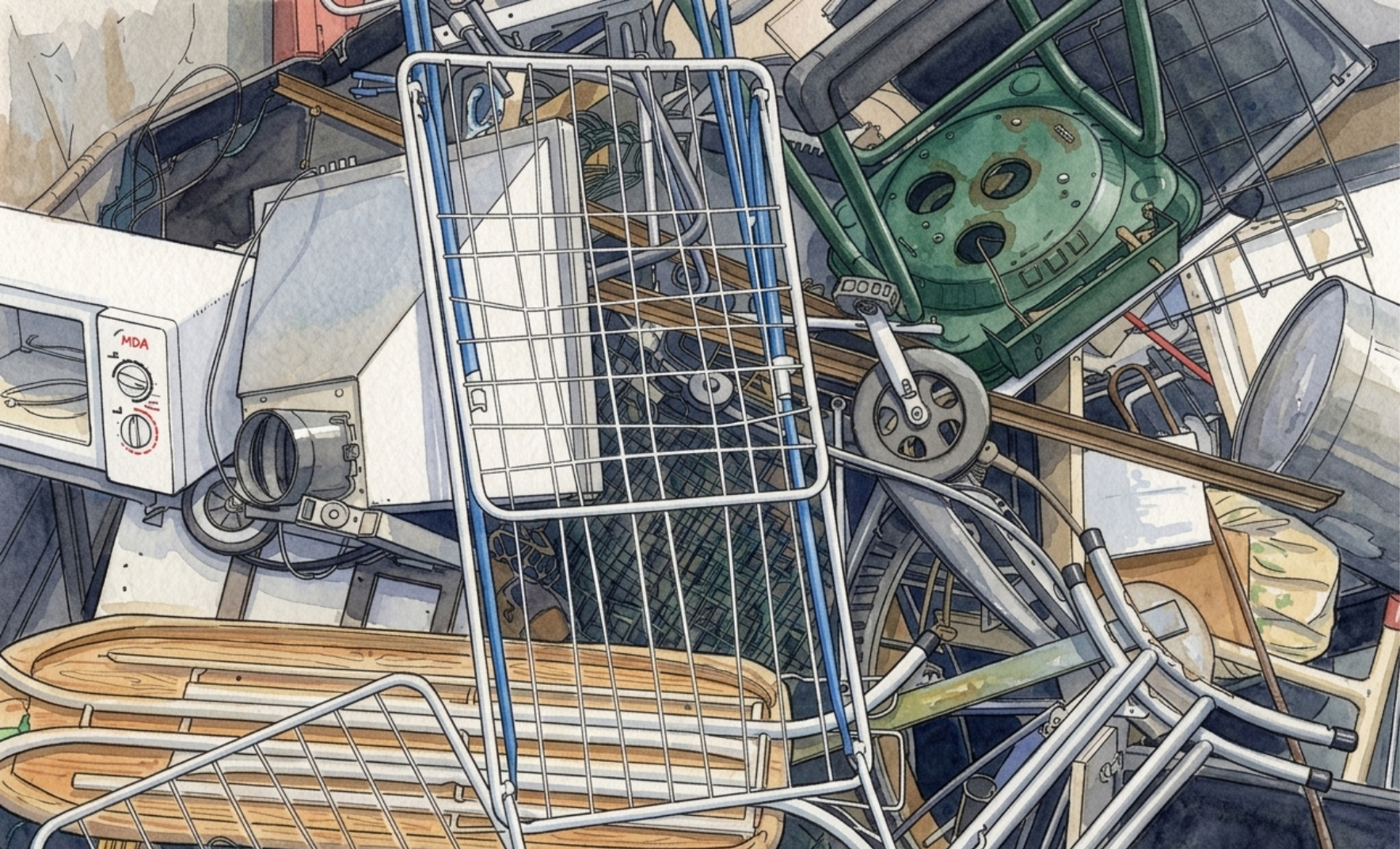
Standardizing Operations Across the Network
Consistency across yards and supply points improves quality, reduces disputes, and enables efficient aggregation. How shared standards turn fragmented activity into a reliable system.
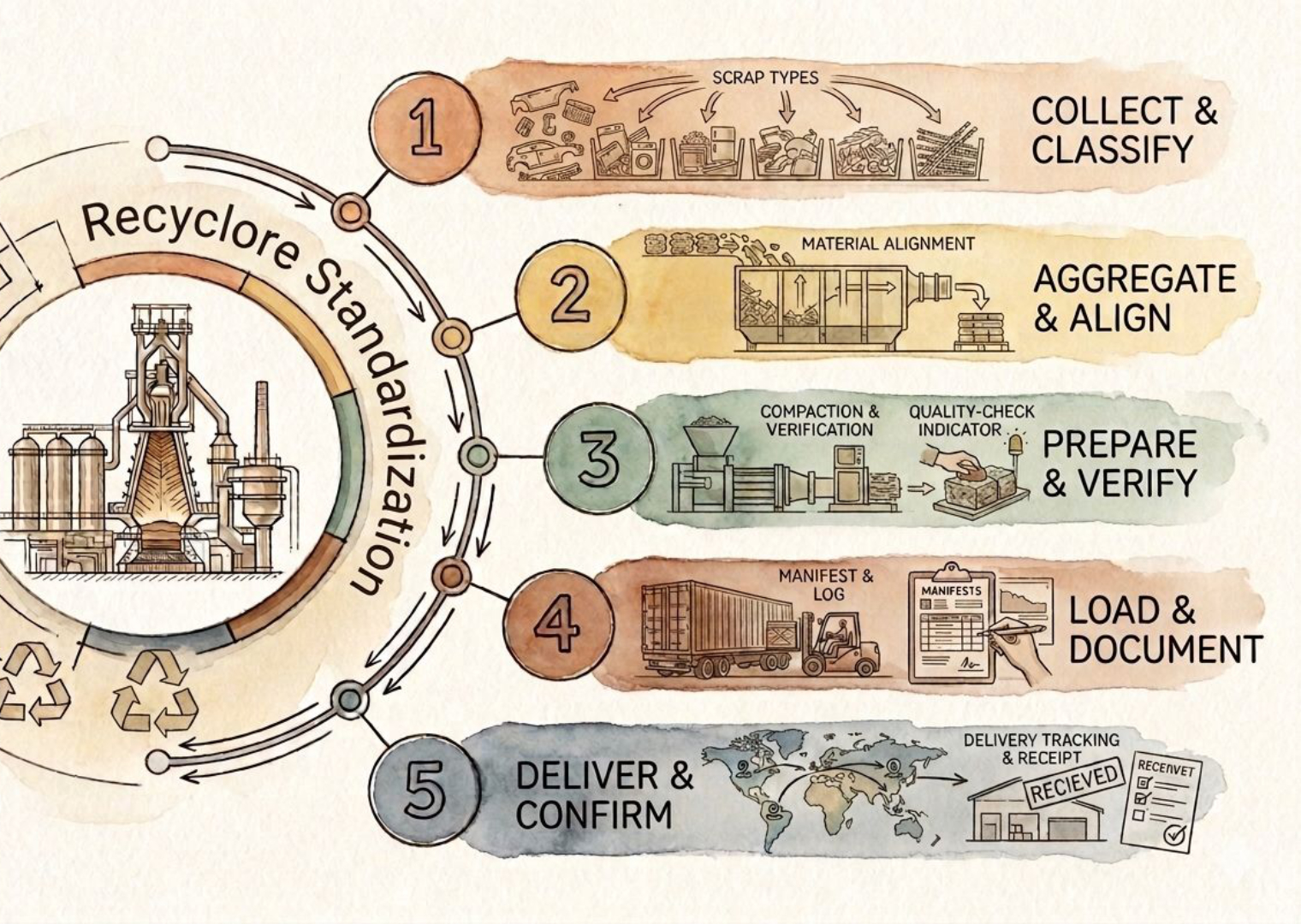
Consistency enables coordination
When each yard operates differently, aggregation becomes difficult. Variations in grading, handling, and documentation create mismatches that slow export preparation and reduce buyer confidence. Standardization aligns these differences without removing independence.
Where inconsistency appears
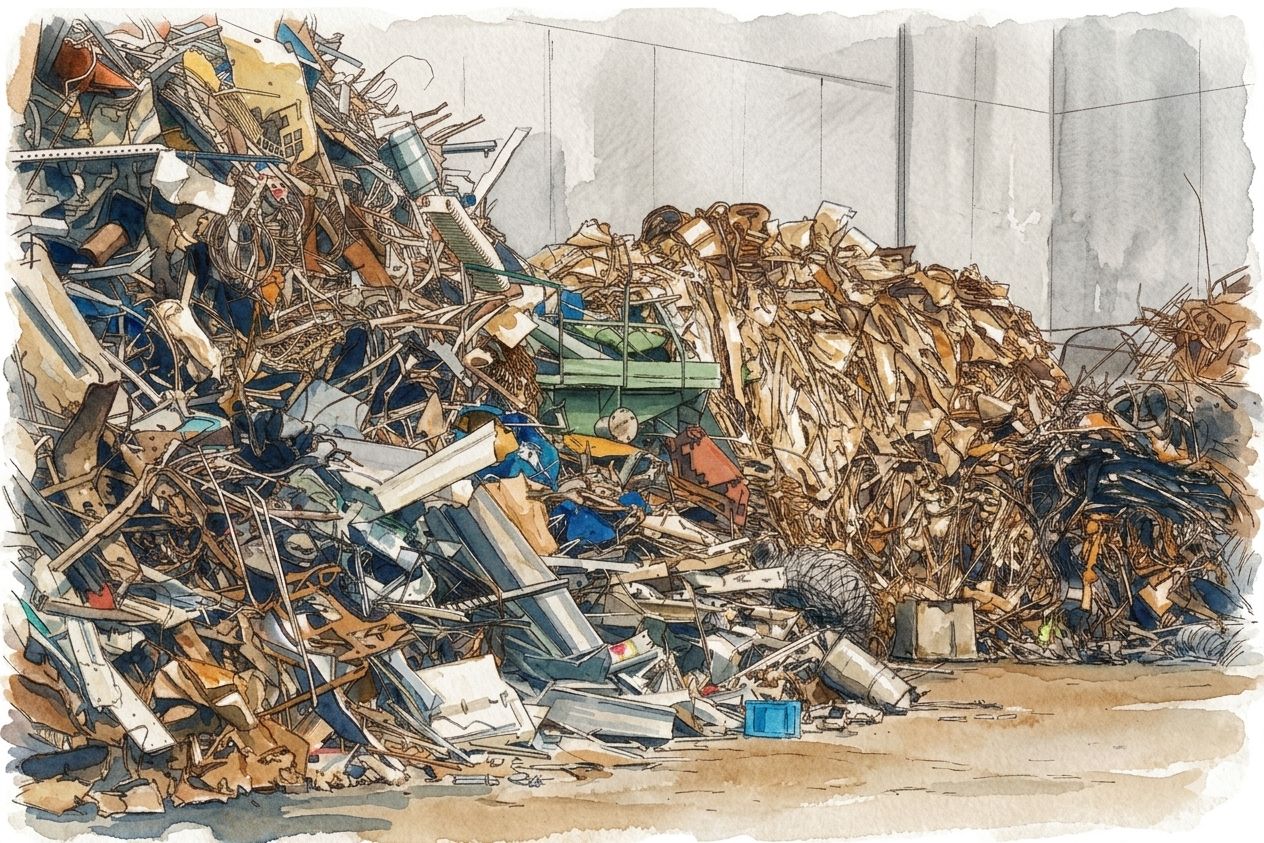
Differences typically emerge at intake, grading, and documentation. Materials are classified differently across yards, records are incomplete, and preparation standards vary. These gaps lead to rework, pricing disputes, and delays at export.
Establishing shared standards
Standardization begins with clear grading definitions and intake procedures. Documentation must follow consistent formats, linking material from receipt to export. Basic process alignment—sorting, handling, and staging—ensures materials can be combined across yards without reclassification.
Training and simple checklists reinforce consistency. Verification before loading confirms that materials meet agreed specifications.
Enabling aggregation at scale
When operations are standardized, supply from multiple yards can be combined efficiently. This reduces rehandling, improves container loading, and supports predictable shipment cycles.
From variation to reliability
Standardization reduces friction and builds trust across the network. It allows independent operators to function as part of a coordinated system.
Operator Rule
Standard first, scale second. Without consistency, volume cannot be combined efficiently.


Subscribe to the Recyclore Brief
Stay informed on material flows, market signals, and platform activity—delivered with clarity, discipline, and a focus on how the ecosystem is evolving in real terms.