Sorting for Value: Getting Grading Right at Source
Sorting at source determines grade integrity. How early separation, clear definitions, and disciplined intake improve pricing and reduce rework.
Grade is set at intake
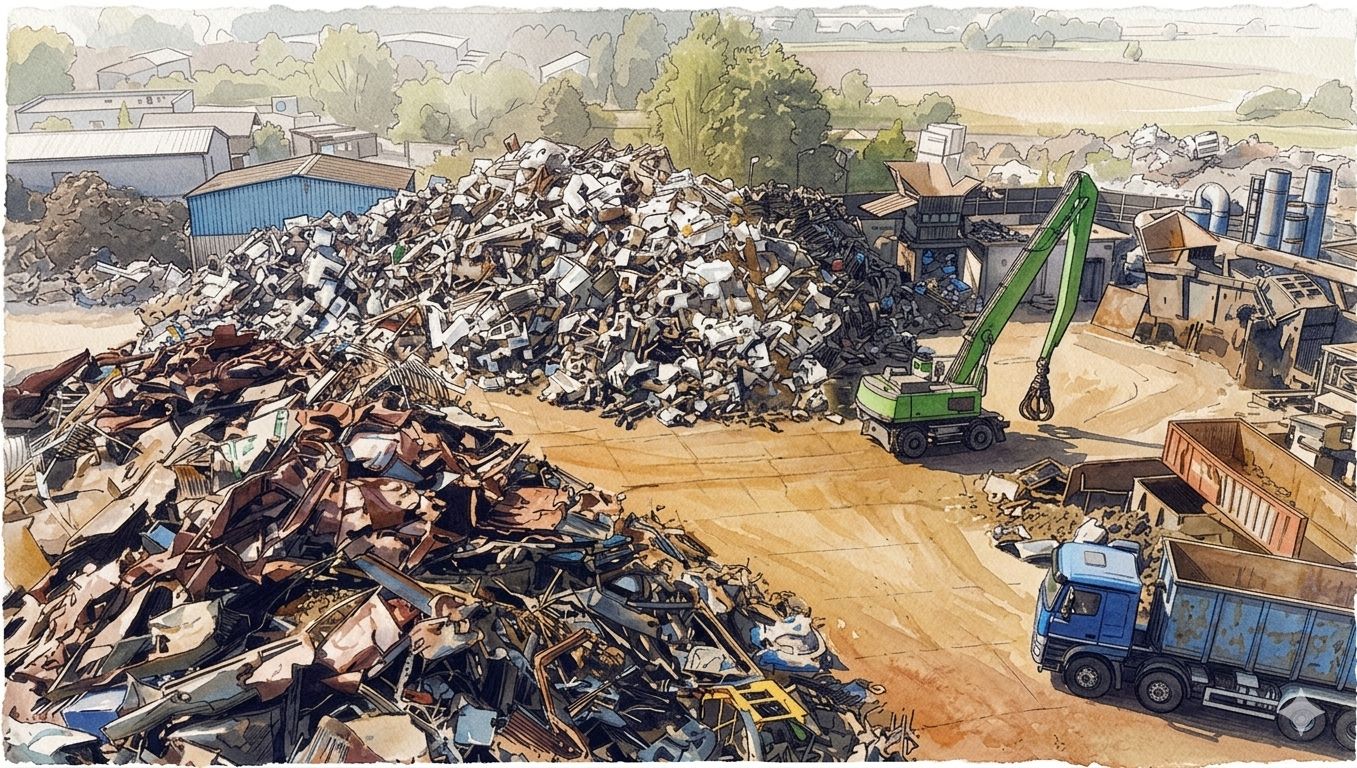
The correct grade is established when material first enters the system. When sorting is done early, materials remain clean and consistent. When deferred, mixing occurs and value declines.
Intake discipline defines downstream outcomes.
Where value is lost
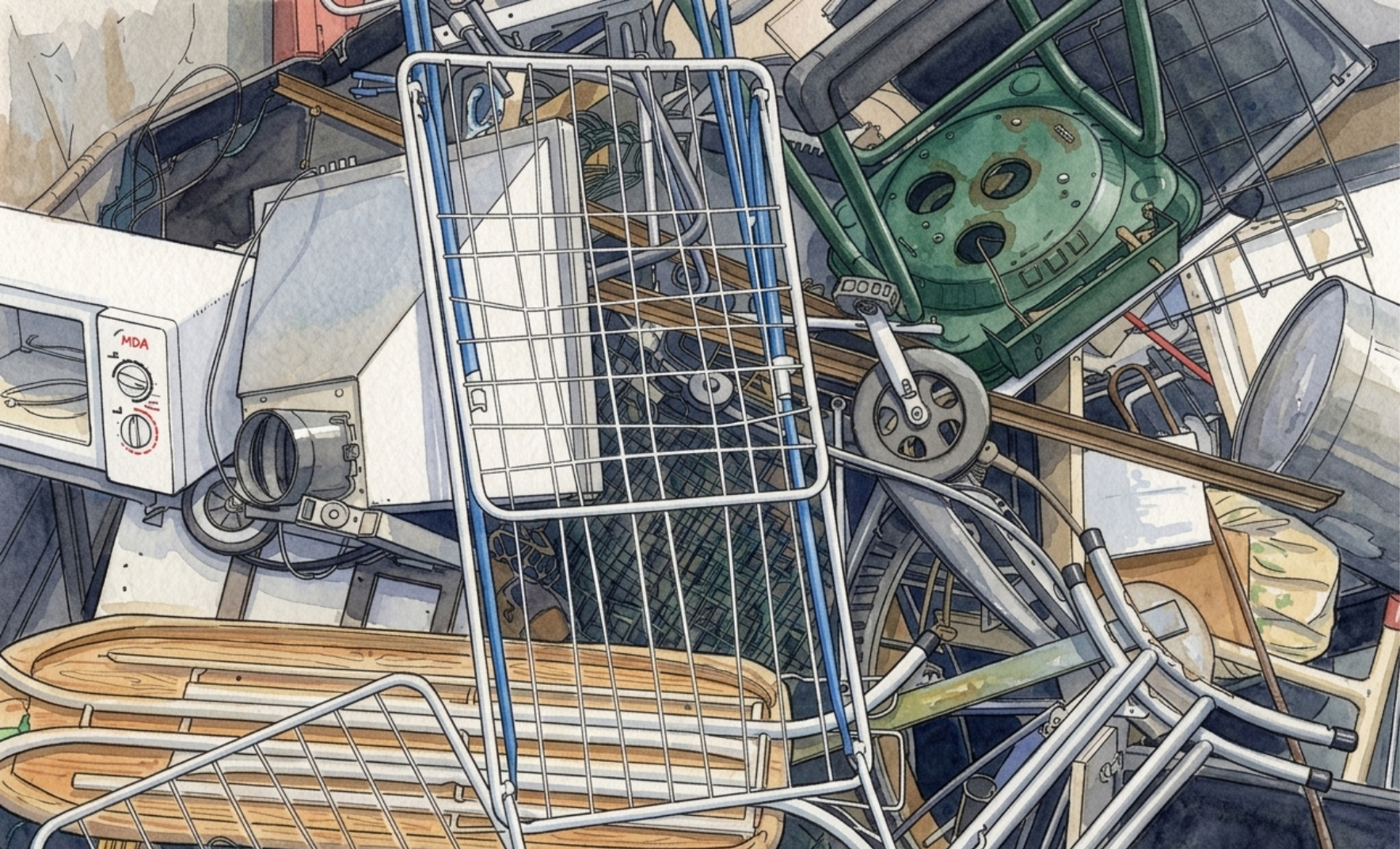
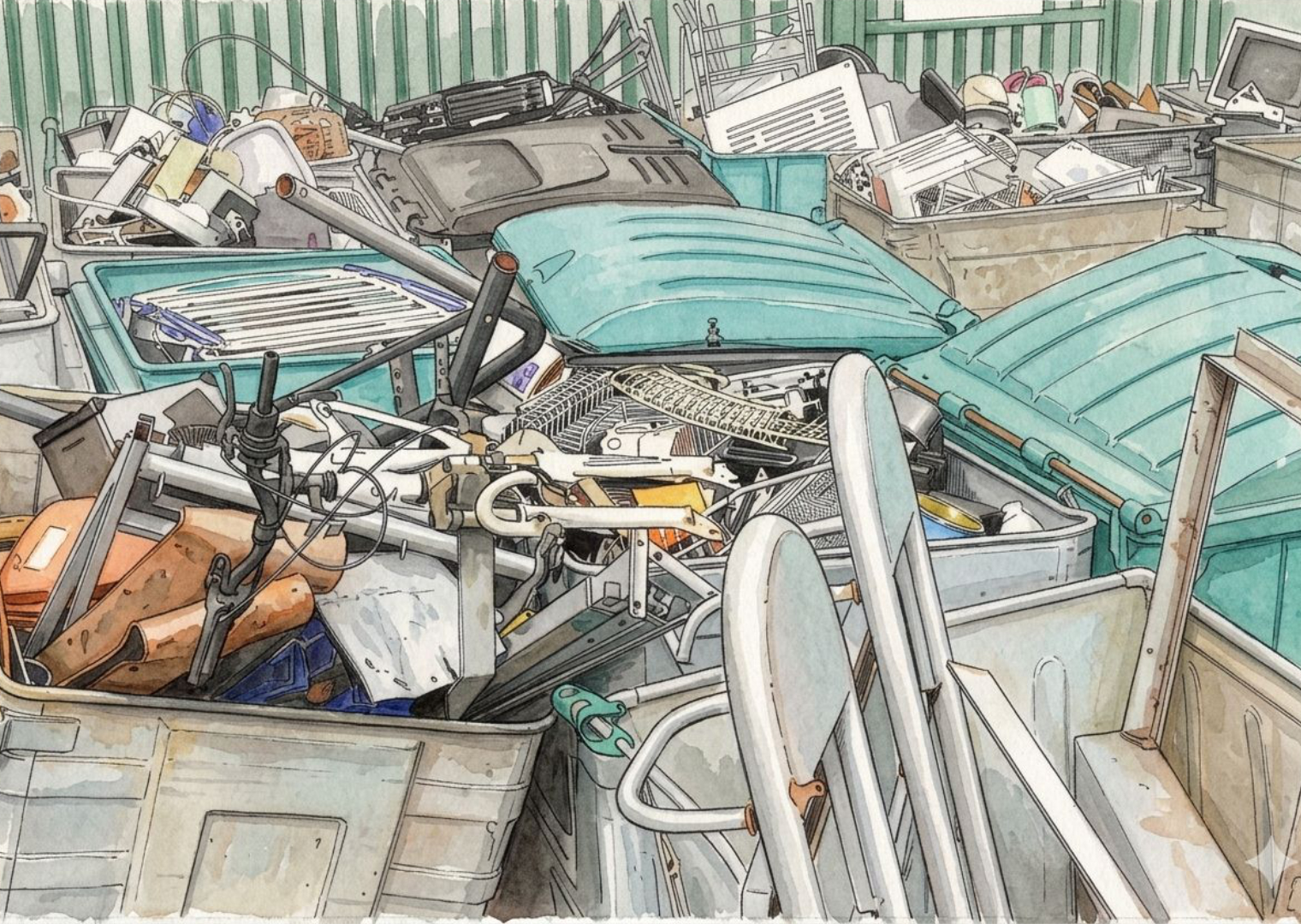
Mixing dissimilar metals, introducing non-metal contamination, and unclear classification reduce grade quality. Once materials are blended, recovery becomes labor-intensive and pricing is typically downgraded.
These losses are difficult to reverse later in the process.
Establishing sorting discipline
Clear grade definitions and visual guides support consistent classification. Separate storage areas prevent mixing. Intake checks confirm material type before it enters general inventory.
Training and simple rules reinforce correct sorting behavior across teams.
Preventing downstream rework
Accurate sorting reduces the need for rehandling during processing. Clean material flows more efficiently through cutting, densification, and loading stages.
This improves throughput and reduces operational cost.
From mixed to defined
Sorting converts uncertain material into defined product. It is the first step in standardization and one of the most important.
Checklist Reminder
Sort early, separate clearly, and store by grade.


Subscribe to the Recyclore Brief
Stay informed on material flows, market signals, and platform activity—delivered with clarity, discipline, and a focus on how the ecosystem is evolving in real terms.