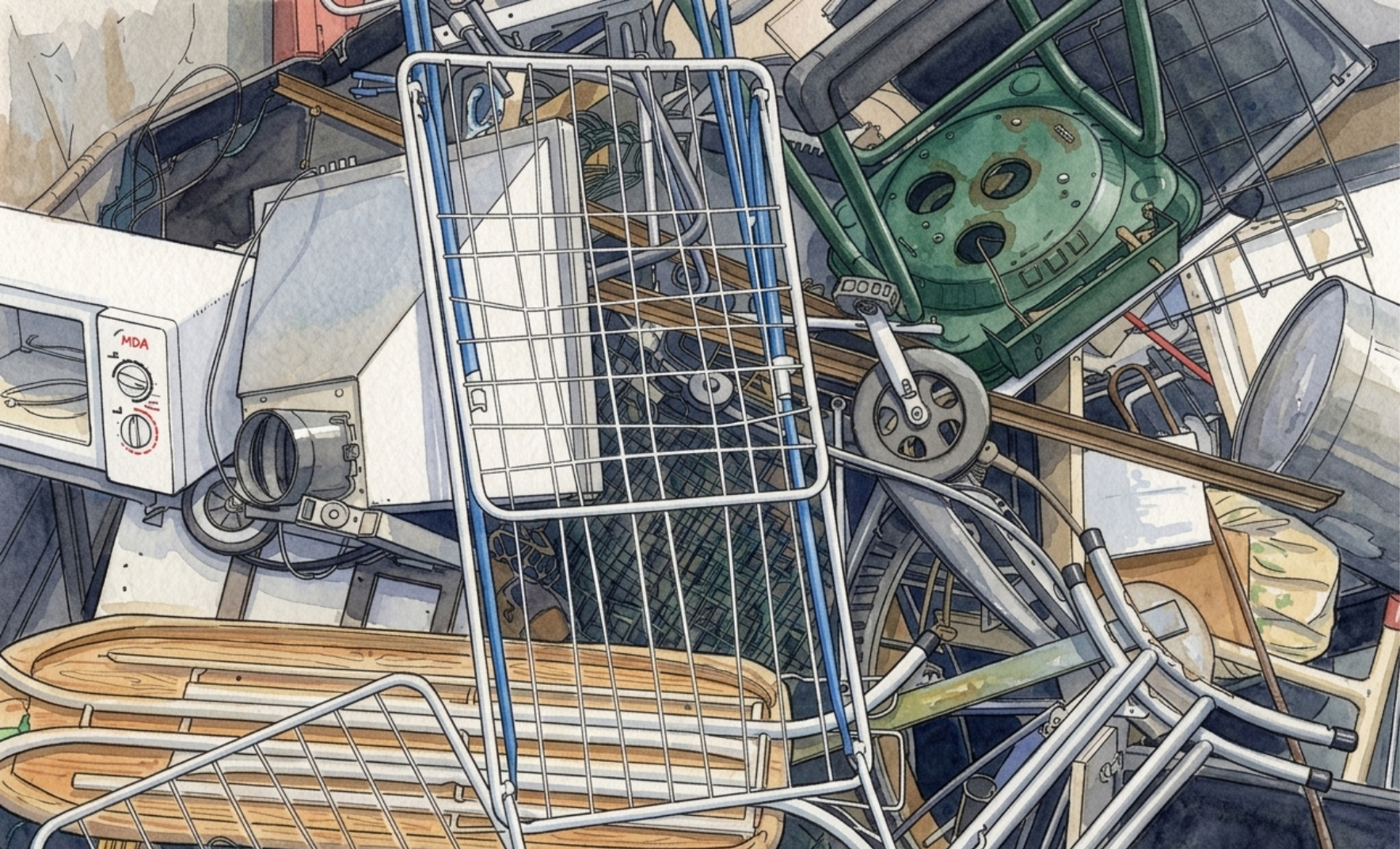
Single Buyer Dependence: Diversify, Align, and Stabilize (Anonymized Case File)
A yard relies on a single export buyer for liquidity and off-take. How diversification, coordinated shipments, and pricing alignment reduced exposure and improved stability.
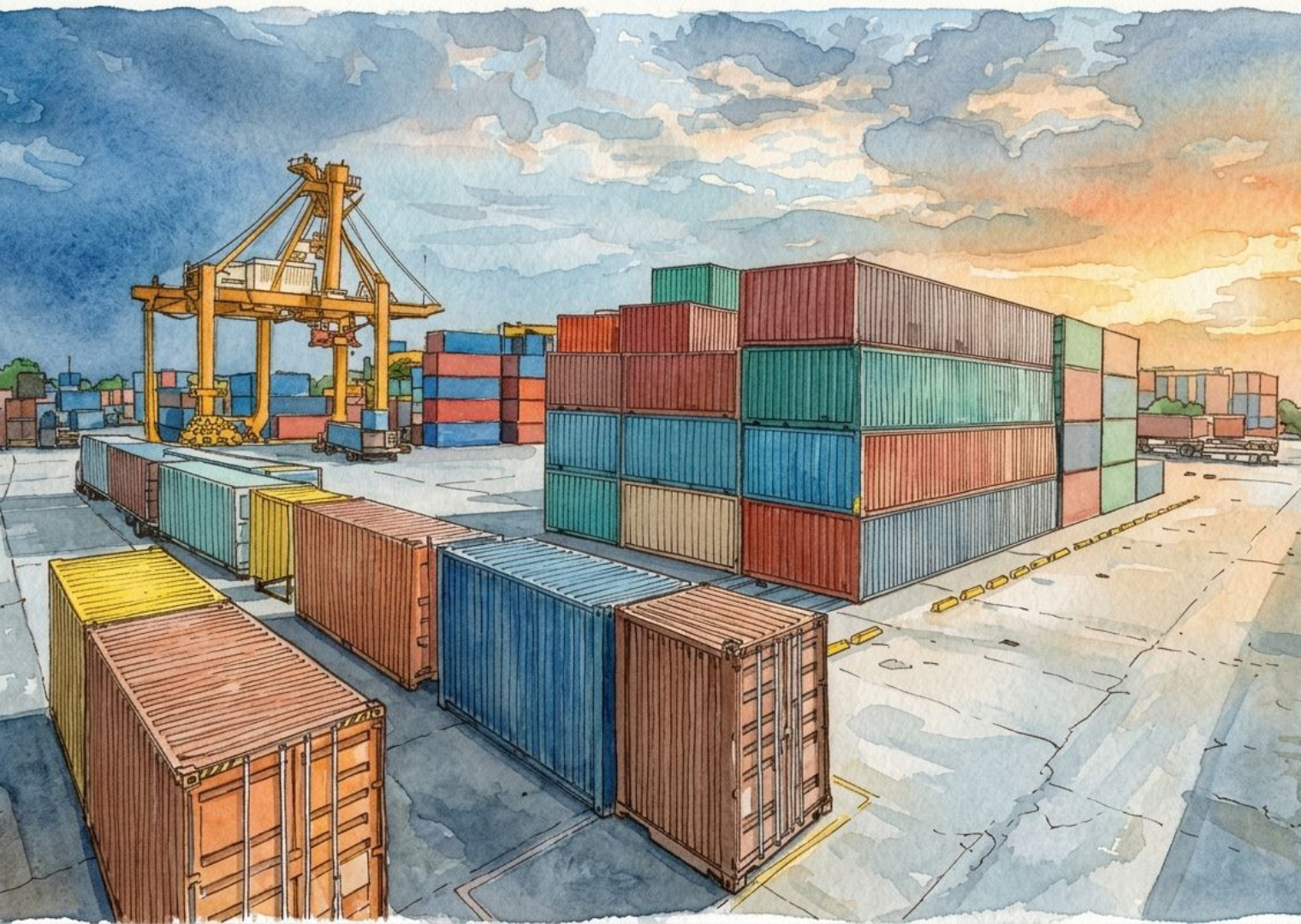
Dependence limits control
Failure mode A yard depended on a single buyer for both pricing and working capital. While providing liquidity, the arrangement limited pricing flexibility, reduced negotiating leverage, and exposed the yard to disruptions if terms changed or demand slowed.
Stabilize first Maintain current commitments while assessing exposure. Review pricing history, payment terms, and volume concentration. Identify portions of supply that can be redirected without disrupting cash flow.
Diversify and align Introduce additional buyers through coordinated export channels. Allocate material across multiple off-take relationships while aligning grades and volumes to each buyer’s requirements.
Coordinate shipments Use pooled exports to meet minimum shipment volumes required by alternative buyers. This reduces barriers to entry and enables gradual diversification without requiring full independent export capability.
System correction Establish buyer allocation strategies and reduce concentration risk over time. Maintain multiple active relationships. Field rule: “Liquidity should not define the market.”
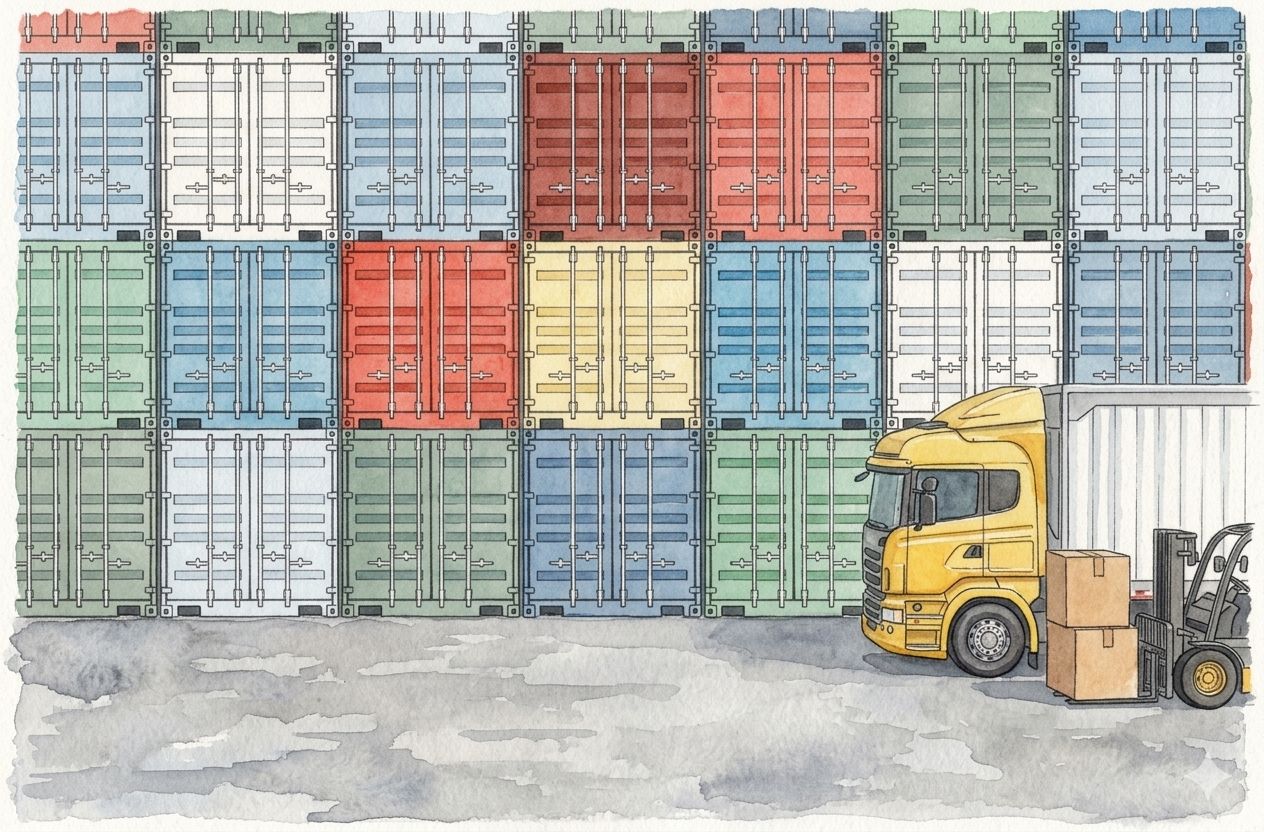
Control comes from options
Did you know?
Diversifying buyers improves pricing leverage and reduces dependency risk—even when a primary buyer remains part of the supply chain.

Subscribe to the Recyclore Brief
Stay informed on material flows, market signals, and platform activity—delivered with clarity, discipline, and a focus on how the ecosystem is evolving in real terms.