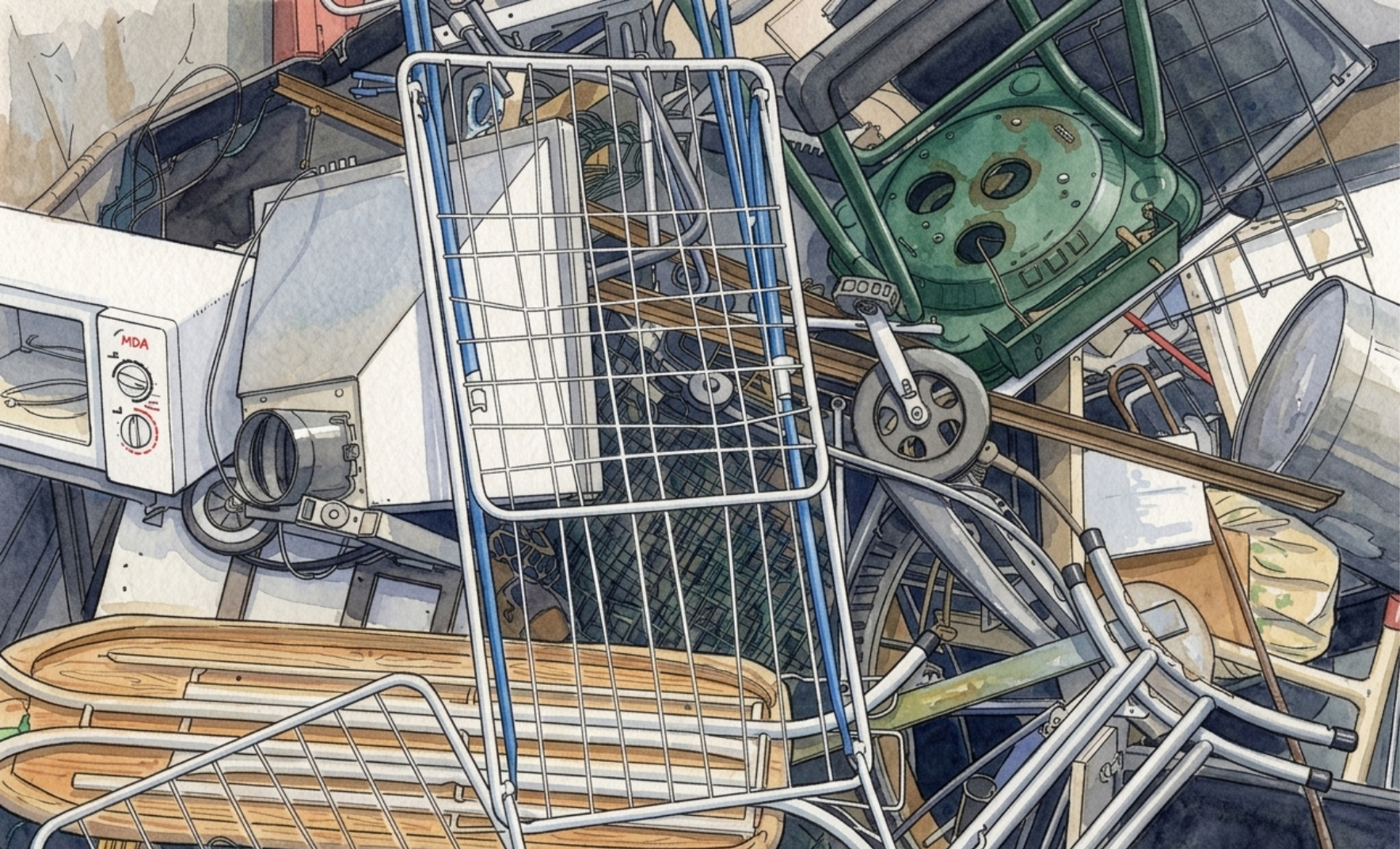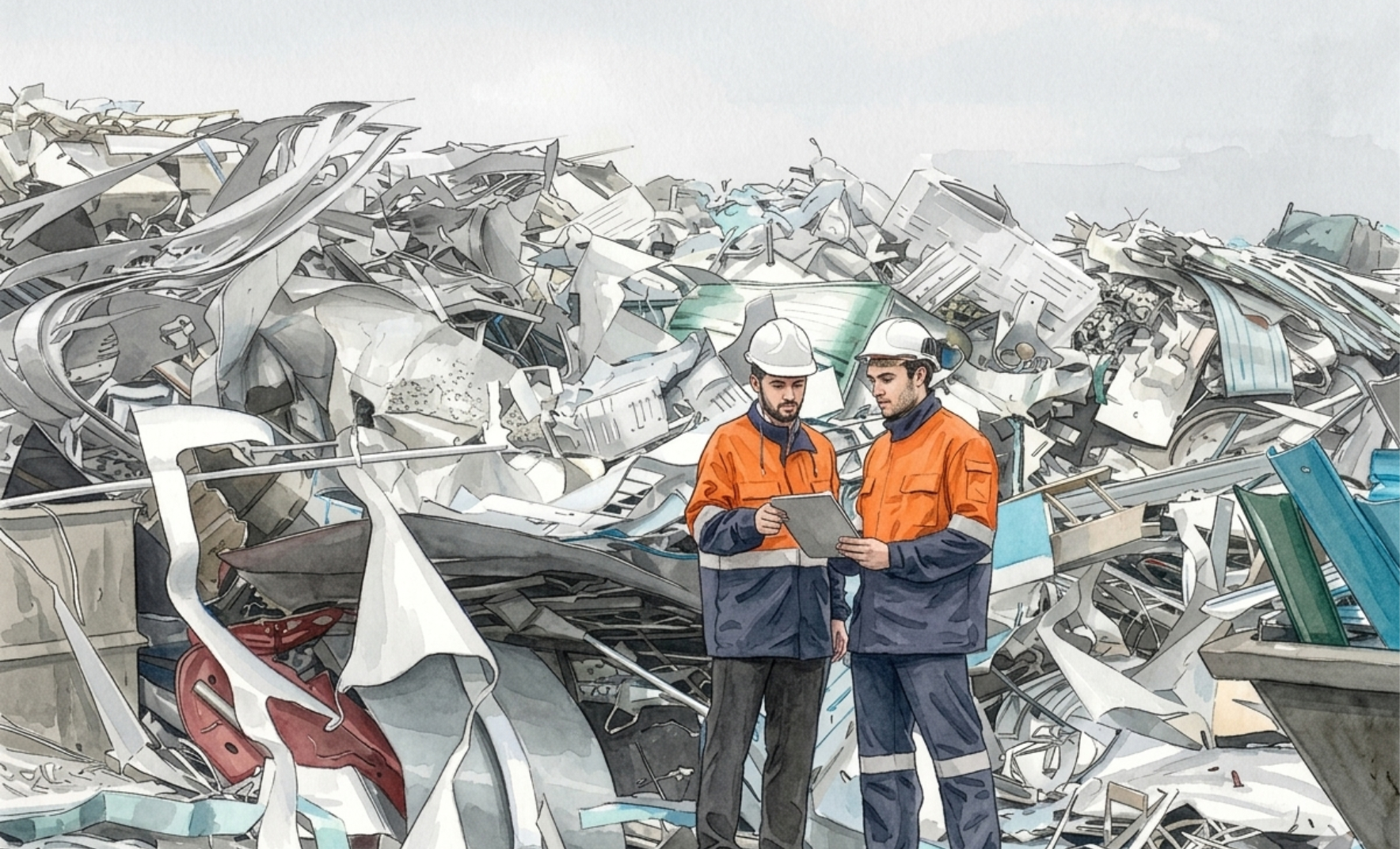
Reducing Friction in Scrap Movement
Small delays at each step compound across the network. How alignment in purchasing, grading, and logistics keeps material moving efficiently from source to export.
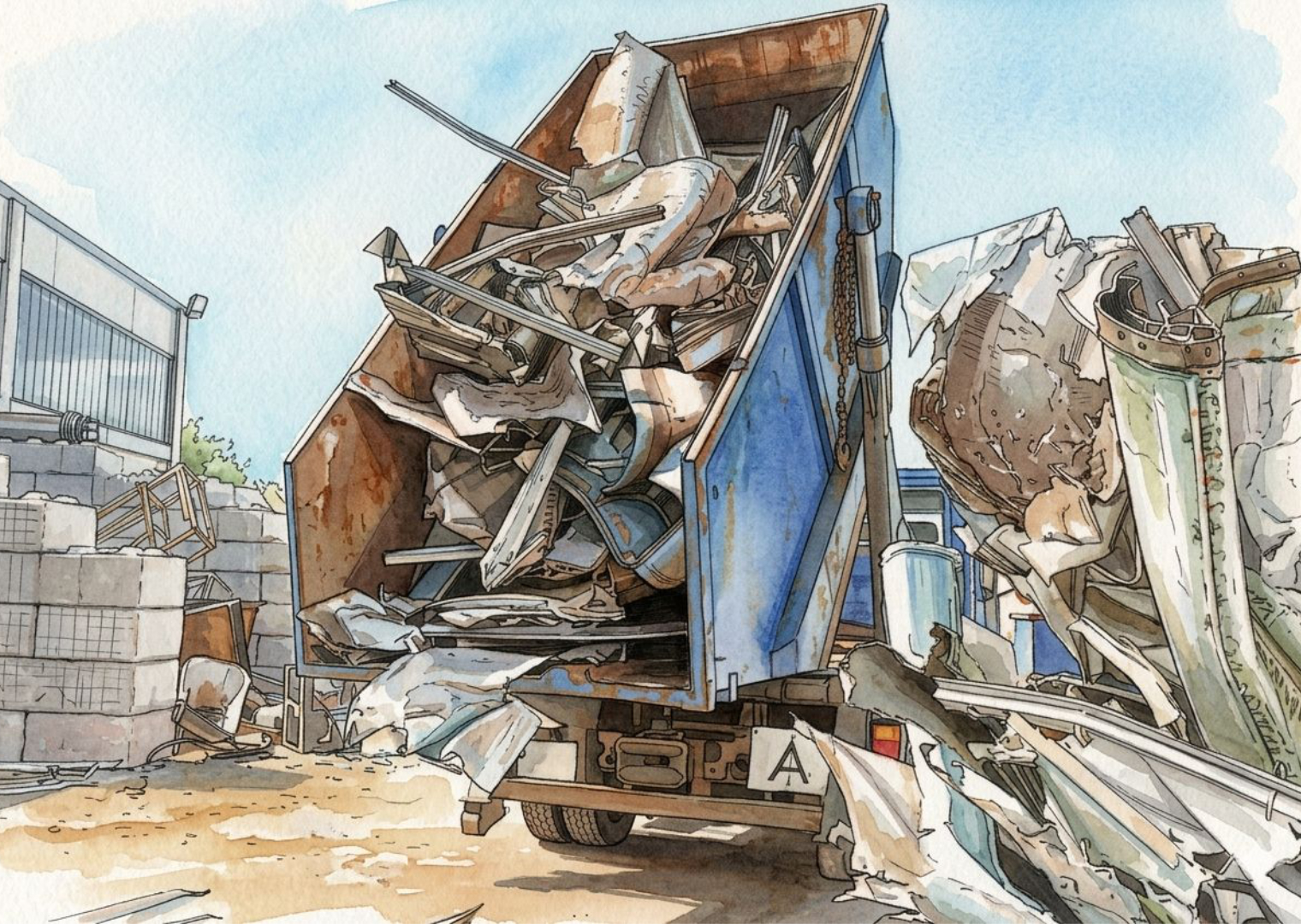
Friction slows the system
Scrap movement depends on continuous flow from collectors to yards and into export channels. When delays occur at any point—collection, intake, processing, or shipping—material accumulates, cash flow tightens, and overall efficiency declines.
Where friction appears
Friction typically occurs at handoff points. Collectors wait for pricing or payment, yards delay intake due to capacity or capital constraints, and shipments stall due to incomplete documentation or poor sequencing. These gaps disrupt momentum across the network.
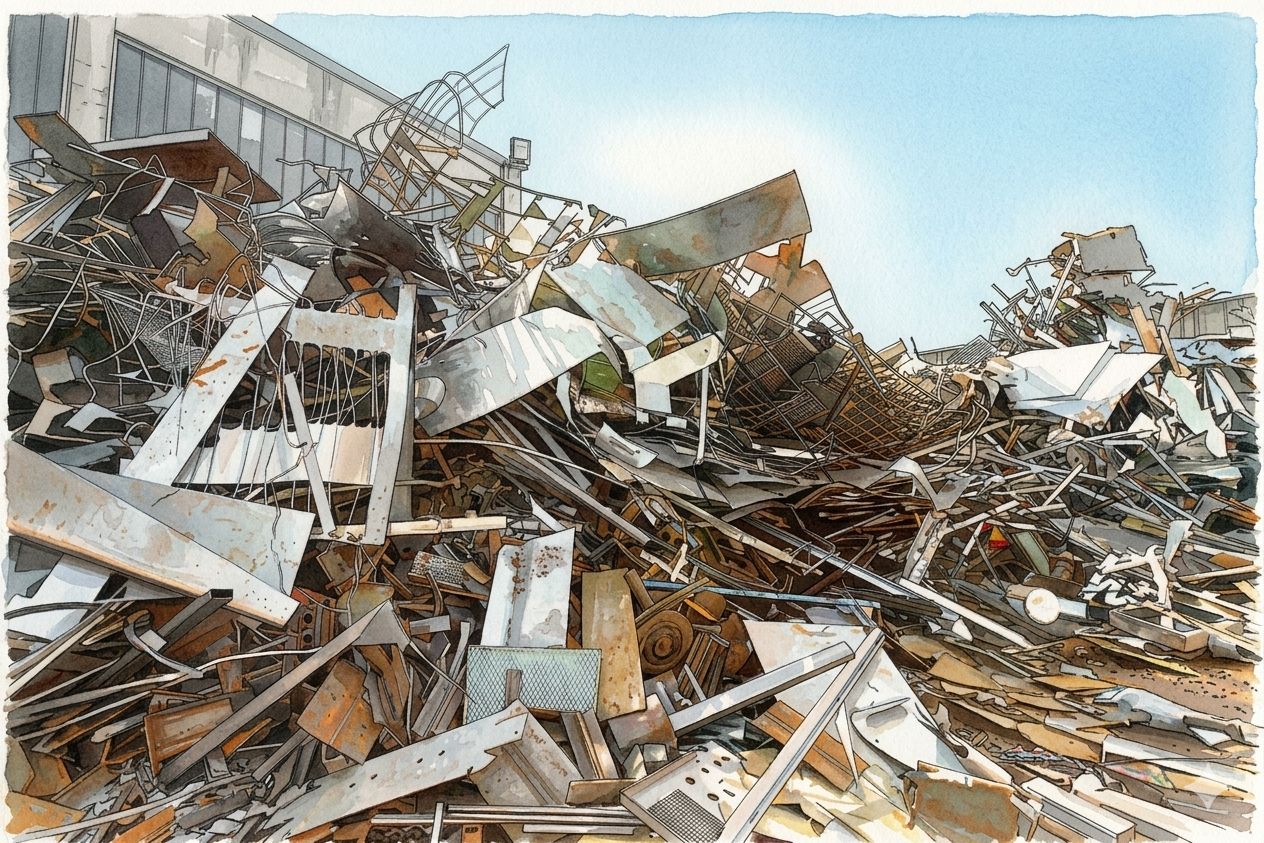
Removing bottlenecks
Reducing friction begins with alignment. Consistent purchasing and faster payment cycles support collection. Standardized intake and grading improve processing flow. Coordinated logistics ensure containers are loaded and dispatched without delay.
Clear communication between participants—collectors, yards, and logistics teams—keeps material moving and reduces idle time.
Flow over volume
High volume does not guarantee efficiency. Material that sits idle reduces value and increases handling costs. Efficient systems prioritize movement over accumulation.
Continuous movement
The goal is steady, uninterrupted flow from source to export. When each stage operates in alignment, friction is minimized and performance improves across the network.
Checklist Reminder
Confirm pricing, prepare intake, align logistics, and move on schedule. Every delay adds cost and reduces value


Subscribe to the Recyclore Brief
Stay informed on material flows, market signals, and platform activity—delivered with clarity, discipline, and a focus on how the ecosystem is evolving in real terms.