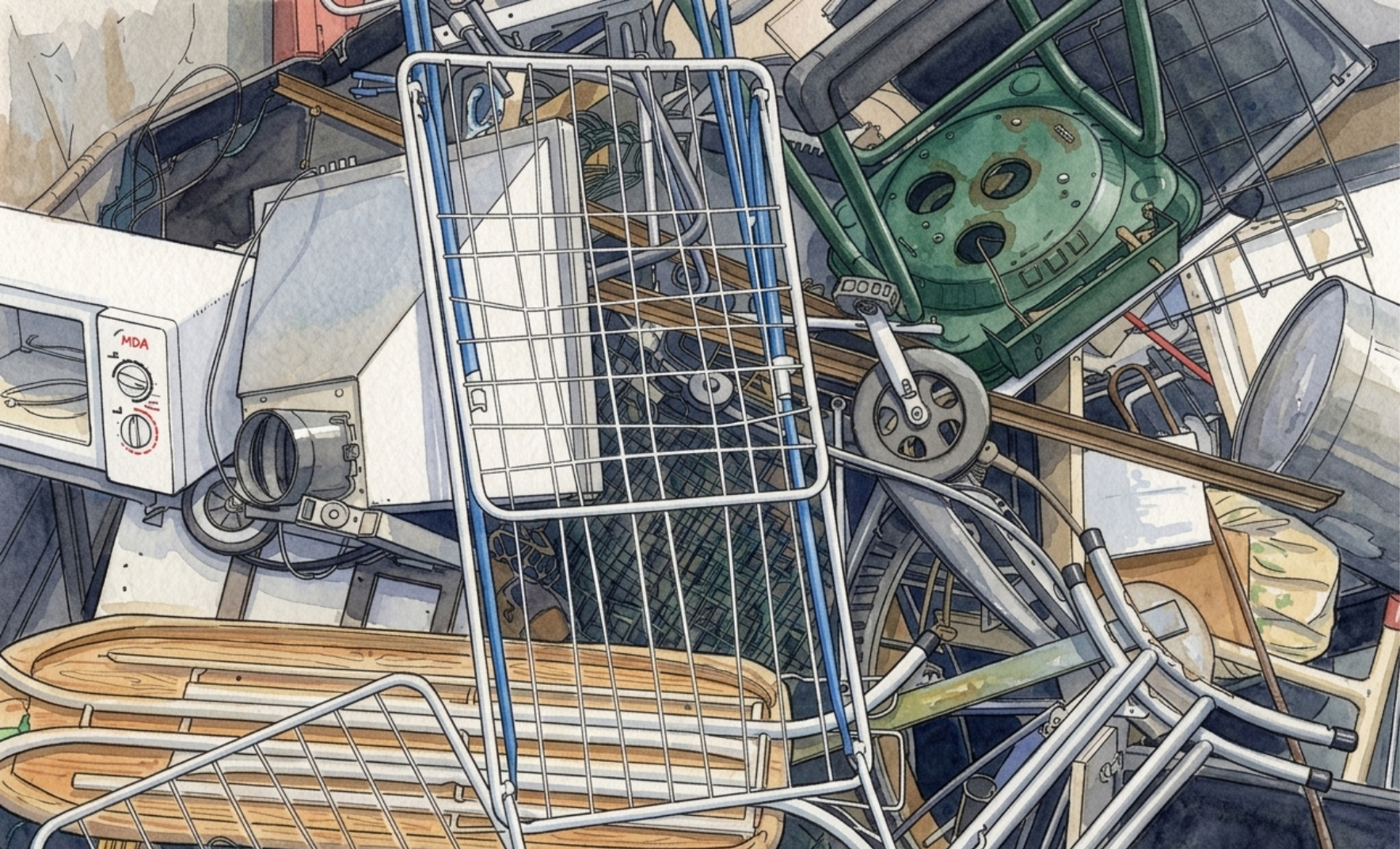
Quality Control in Scrap Processing
Consistent quality determines acceptance and pricing. How inspection, verification, and documentation ensure materials meet buyer specifications and reduce disputes.
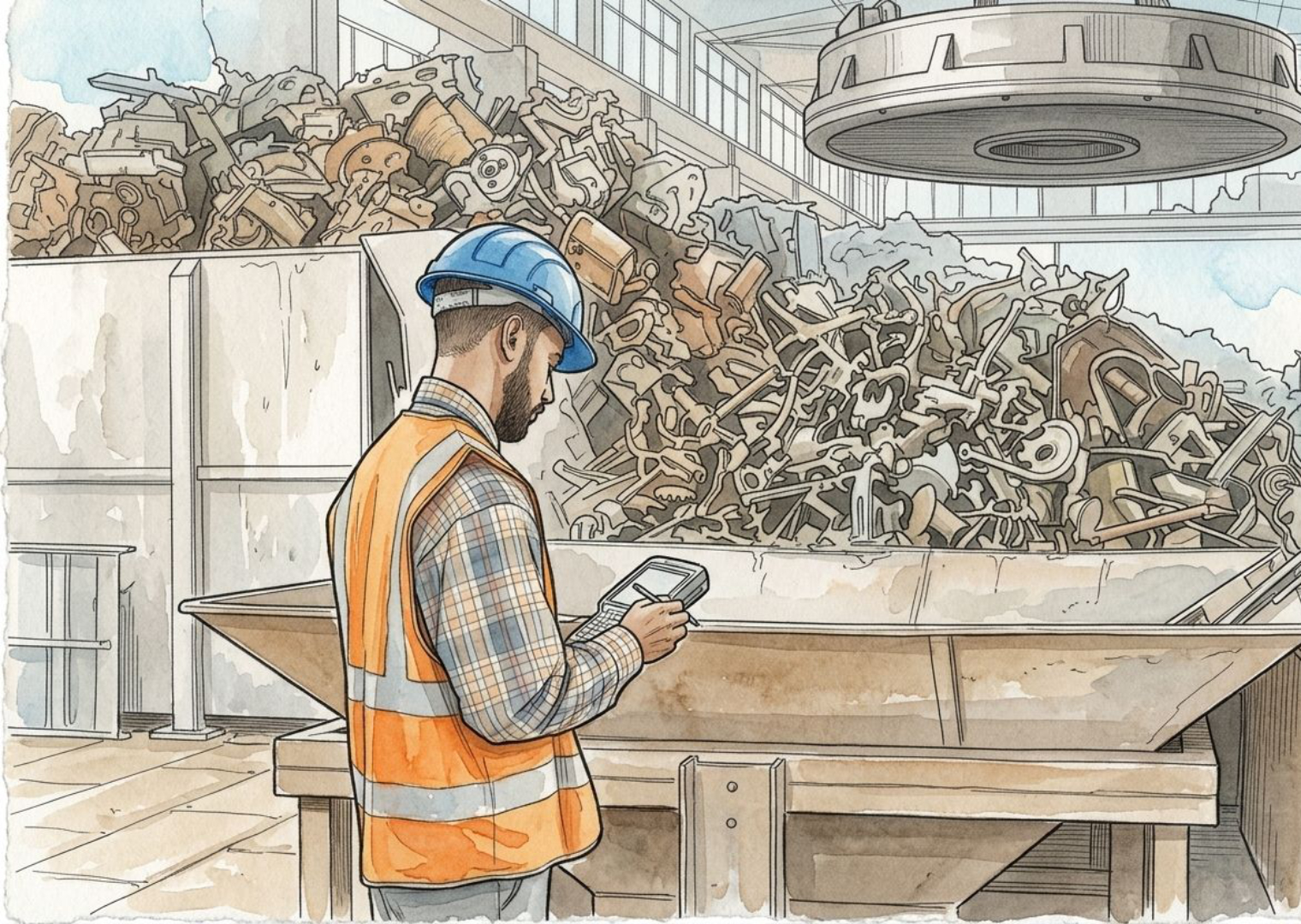
Quality defines outcome
Scrap is purchased against specification. If material does not meet grade, size, or cleanliness requirements, pricing is adjusted or shipments are rejected.
Quality control ensures material aligns with expectations before export.
Where issues arise
Problems typically originate from mixed grades, contamination, or inconsistent preparation. Lack of verification before loading allows these issues to pass through the system and surface at destination.
Correction at that stage is costly and disruptive.

Establishing control points
Quality control should occur at key stages: intake, post-processing, and pre-loading. Each stage confirms grade, weight, and condition.
Checklists and simple verification procedures ensure consistency without slowing operations.
Documentation and traceability
Records must reflect the physical material. Linking intake tickets, grading, and shipment documentation creates traceability and supports verification.
This improves reliability and reduces disputes.
From inspection to confidence
Quality control is not a final step—it is a continuous process. Consistency across shipments builds trust and supports stable pricing.
Operator Rule
Inspect early, verify before loading.


Subscribe to the Recyclore Brief
Stay informed on material flows, market signals, and platform activity—delivered with clarity, discipline, and a focus on how the ecosystem is evolving in real terms.