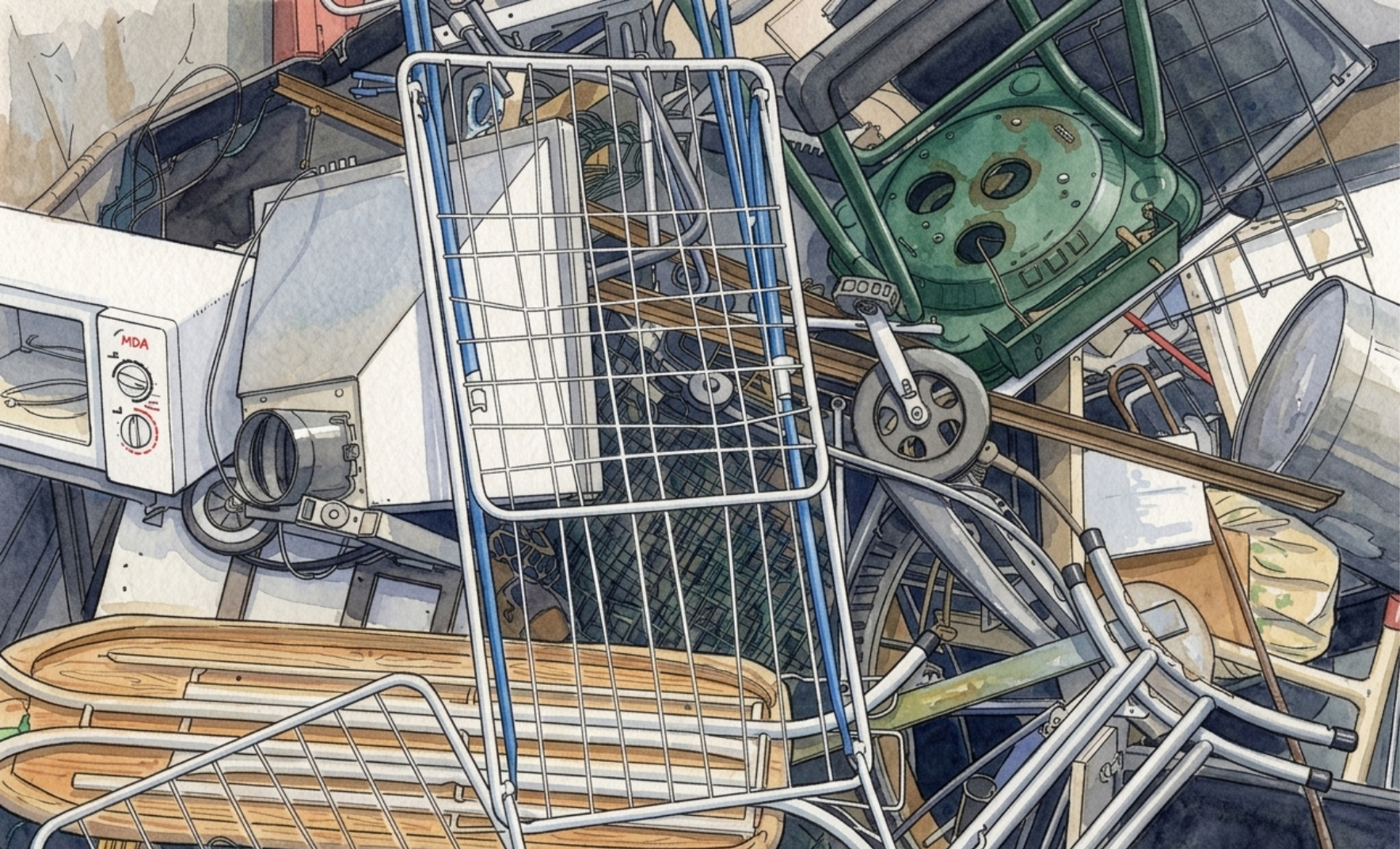
Pricing Volatility Shock: Hold, Hedge, and Release (Anonymized Case File)
Tie dredge windows to tide and power. Align with IMO’s 2023 GHG Strategy and coming fuel-standard rules to cut cost and carbon.
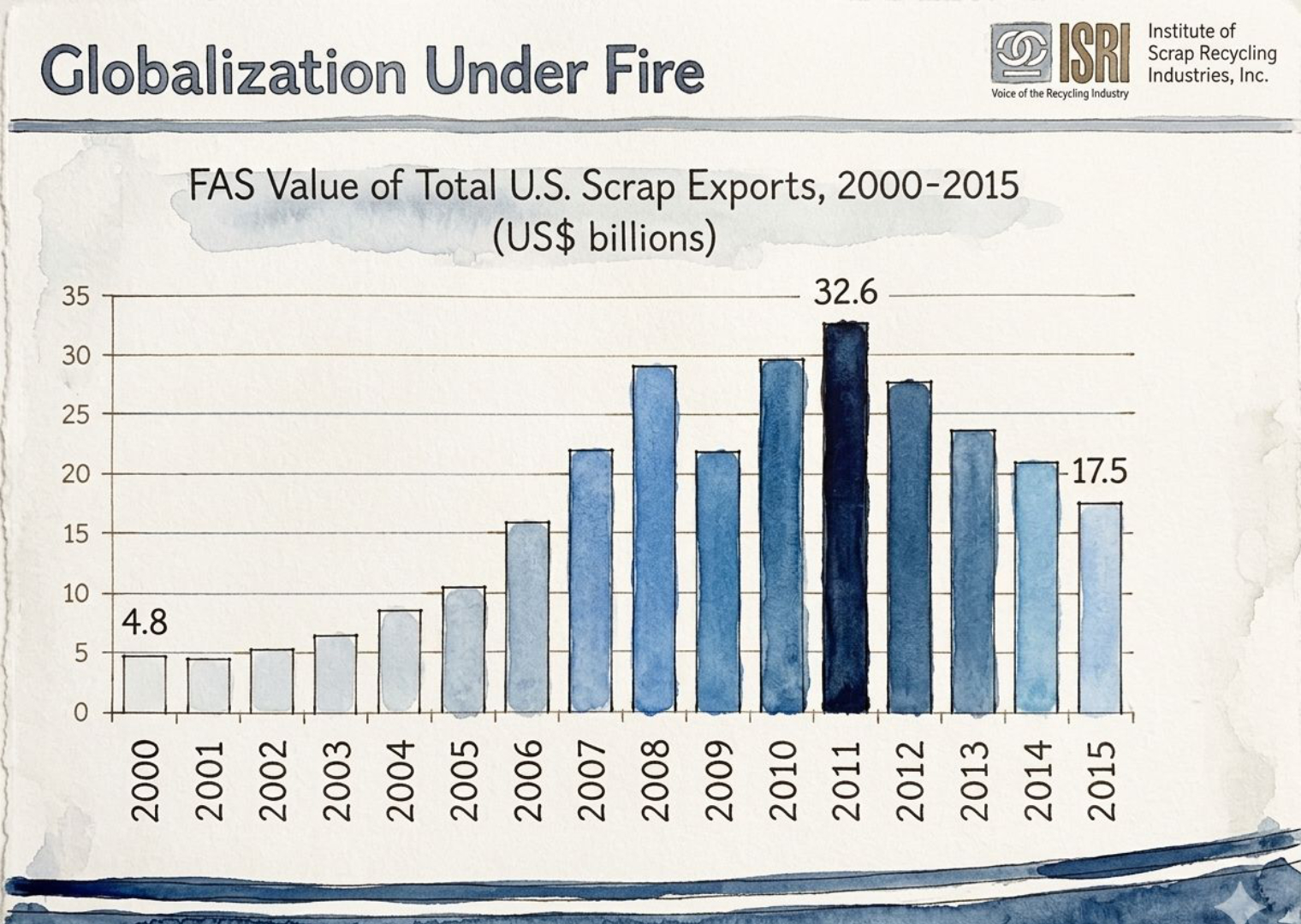
Timing affects value
Failure mode. Scrap was accumulated during a stable pricing period, but market prices declined before export. Material held without a defined release strategy became exposed to downward price adjustments.
Stabilize first. Pause additional purchasing at current levels. Assess inventory exposure by grade and volume. Confirm current market pricing and buyer demand before committing to sales.
Hold and allocate. Segment inventory into immediate, short-term, and hold categories. Prioritize movement of lower-margin or higher-risk material while monitoring stronger grades for recovery.
Hedge and align. Where possible, align portions of inventory to forward pricing or pre-agreed offtake terms. Distribute sales across buyers to reduce concentration risk.
Release strategically. Execute shipments in phases, balancing cash flow needs with market timing. Avoid full liquidation under unfavorable pricing conditions.
System correction. Introduce inventory timing strategies and pricing thresholds. Field rule: “Not all material should move at once.”
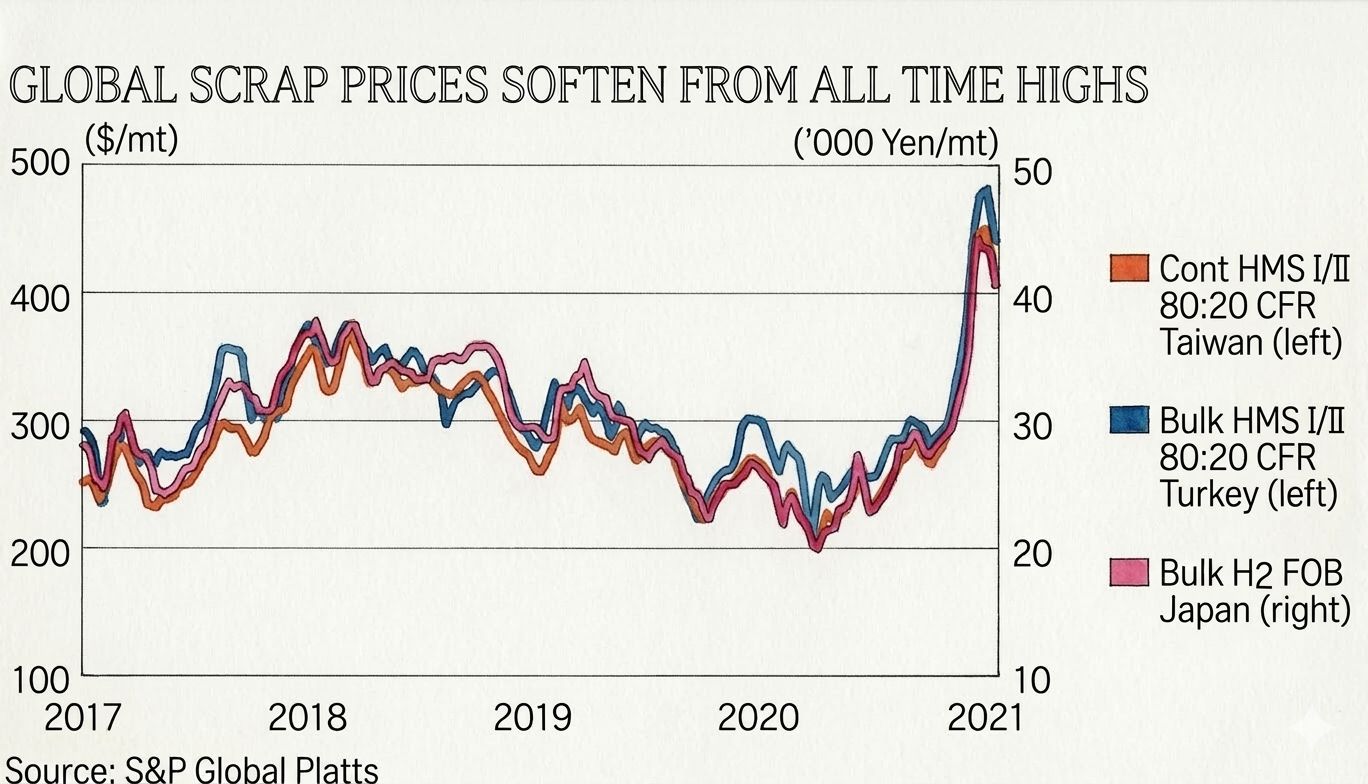
Control the release
Did you know?
Spreading shipments across time reduces exposure to short-term price swings and improves average realized pricing over multiple export cycles.

Subscribe to the Recyclore Brief
Stay informed on material flows, market signals, and platform activity—delivered with clarity, discipline, and a focus on how the ecosystem is evolving in real terms.