Port Delay Exposure: Stage, Sequence, and Deliver (Anonymized Case File)
Shipment delays at port create congestion, demurrage risk, and missed delivery windows. How staging, sequencing, and coordination improved turnaround and protected margins.
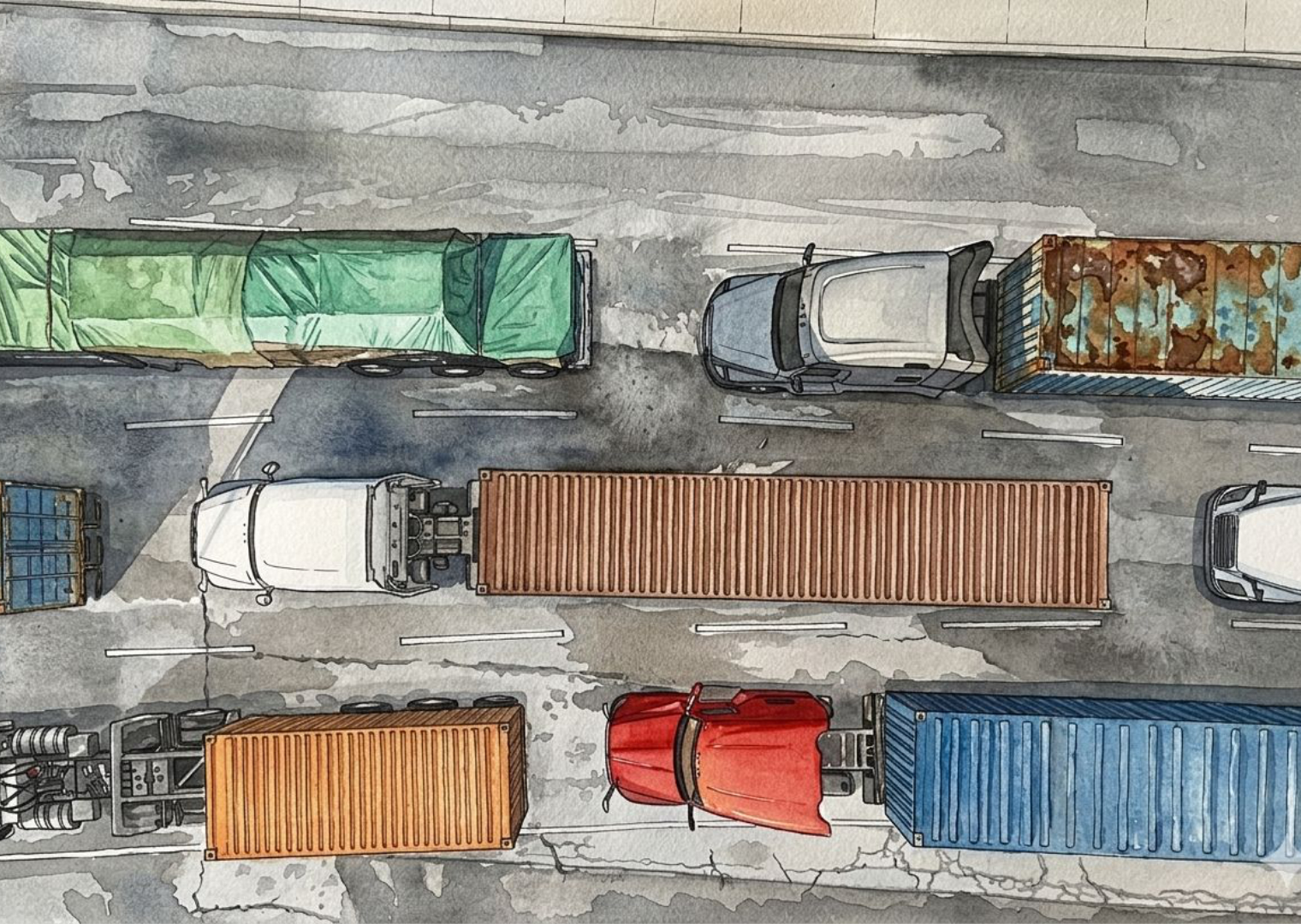
Delays compound quickly
{Failure mode.} Containers arrived at port without coordinated staging, leading to congestion, extended dwell times, and demurrage charges. Inconsistent sequencing disrupted loading schedules and increased the risk of missed vessel cut-offs.
{Stabilize first.} Pause further dispatch to the port. Confirm vessel schedules, cut-off times, and terminal capacity. Reassess container readiness and hold non-critical shipments at yard level.
{Stage and sequence.} Introduce a staging system where containers are prepared and queued based on confirmed vessel windows. Align dispatch timing with terminal intake capacity to prevent bottlenecks.
{Coordinate delivery.} Implement scheduled trucking aligned with port operations. Ensure documentation is complete prior to dispatch to avoid clearance delays.
{System correction.} Establish pre-shipment staging protocols and integrate port schedules into operational planning. Field rule: “Do not send to port without a confirmed slot.”
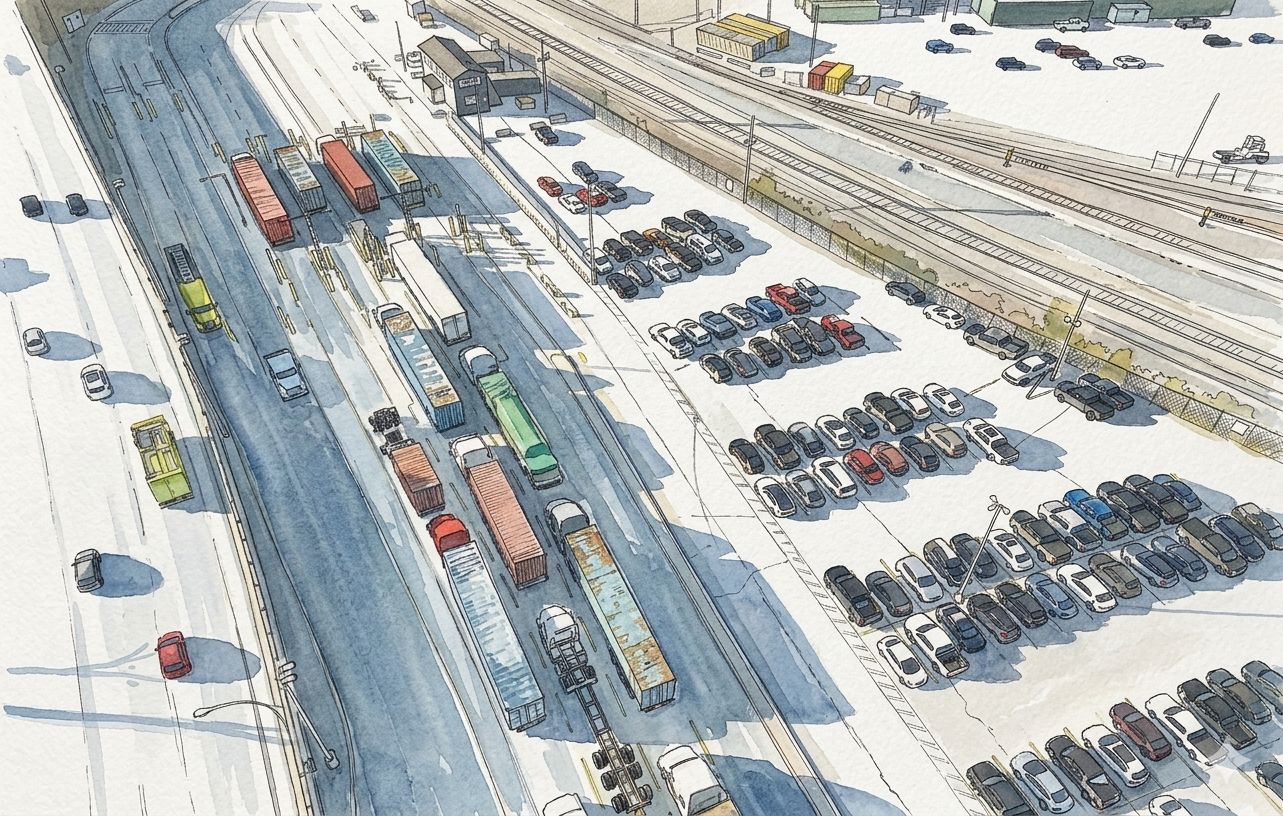
Timing drives efficiency
Quick Protocol
Stage containers before dispatch, confirm vessel cut-offs, and align trucking schedules. Controlled sequencing reduces congestion, delays, and avoidable port charges.

Subscribe to the Recyclore Brief
Stay informed on material flows, market signals, and platform activity—delivered with clarity, discipline, and a focus on how the ecosystem is evolving in real terms.