
Navigating Price Volatility in Scrap Metal Markets
Scrap prices fluctuate with global demand, supply shifts, and external factors. Managing volatility requires timing discipline, inventory strategy, and alignment with market conditions.
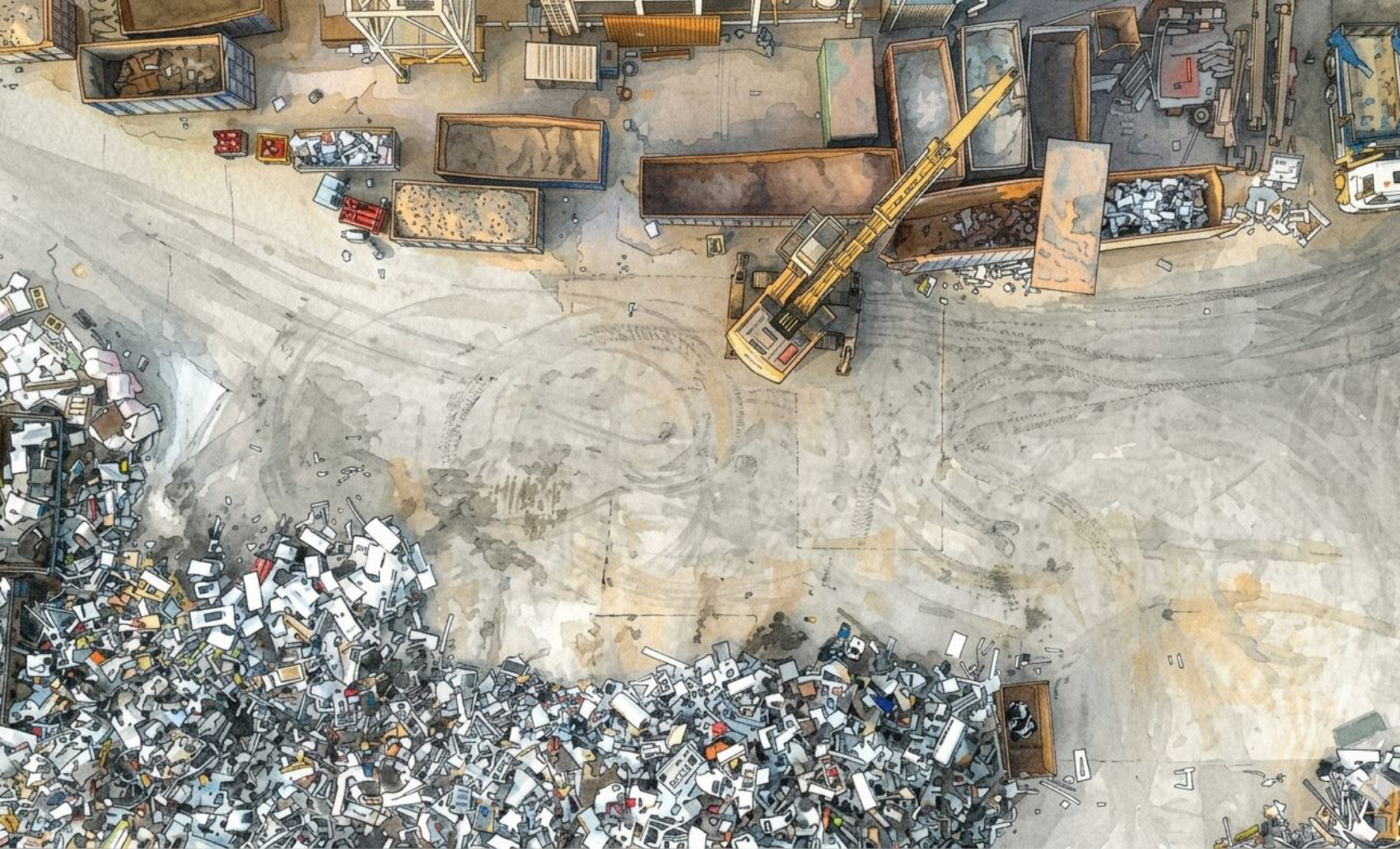
Volatility is constant
Price movement is a normal condition of scrap markets. Changes in industrial demand, supply levels, and global trade conditions can shift pricing within short periods. Attempting to predict exact movements is less effective than managing exposure.
Where exposure builds
Exposure occurs when material is accumulated without a defined release strategy. Large inventory positions held during downward price movement reduce margins and limit flexibility.
The longer material is held without alignment to market signals, the greater the risk.
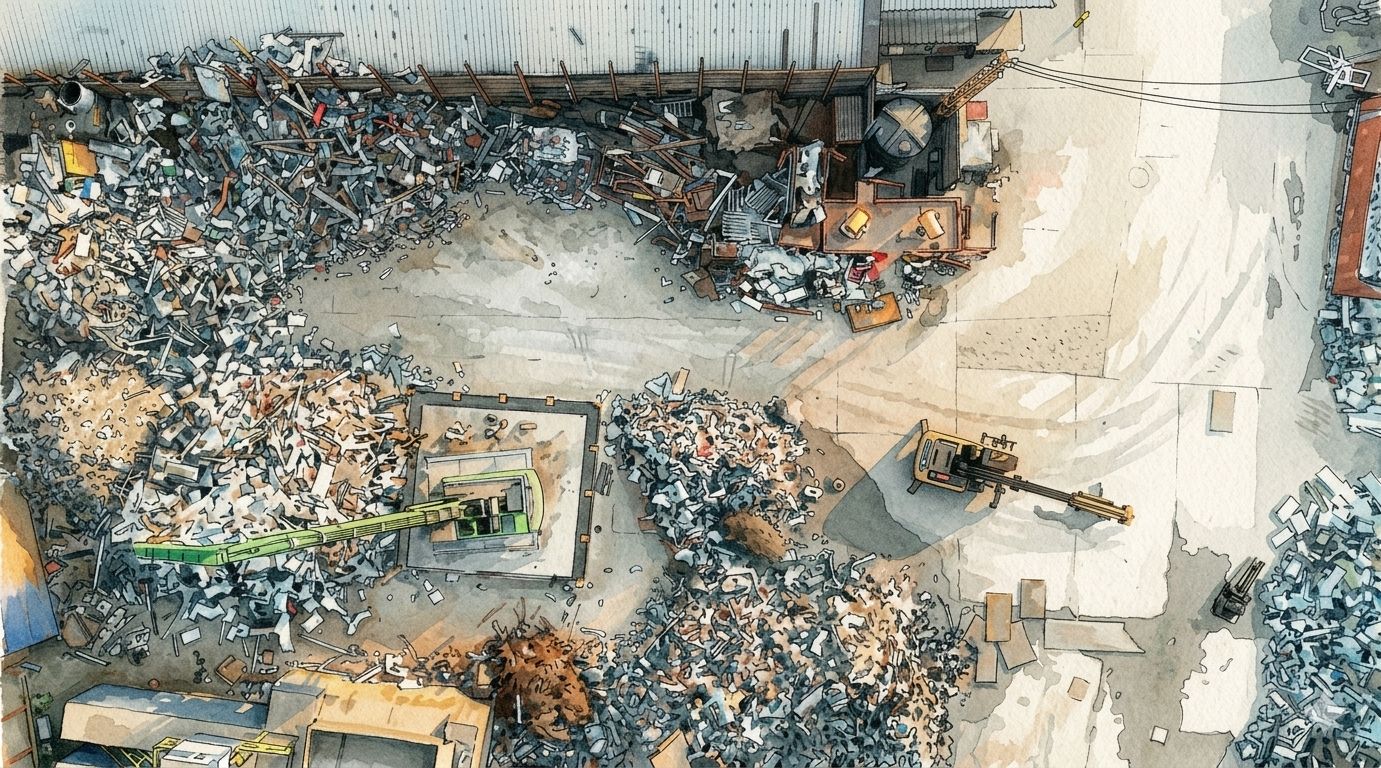
Managing through timing
Effective operators manage timing rather than reacting to price changes. This includes segmenting inventory, releasing material in phases, and aligning shipments with current demand.
Controlled release reduces exposure to short-term volatility.
Aligning with demand
Understanding buyer demand helps determine when to move material. Strong demand periods support quicker turnover, while weaker conditions may require selective holding.
Alignment reduces the risk of selling into unfavorable conditions.
Diversification reduces risk
Selling across multiple buyers and markets reduces dependence on a single price point. Diversification improves flexibility and allows operators to respond to changing conditions.
From volatility to control
Volatility cannot be eliminated, but it can be managed through structure and discipline. Operators who align purchasing, holding, and release strategies are better positioned to protect margins.
Market Insight
Control timing, not the market.


Subscribe to the Recyclore Brief
Stay informed on material flows, market signals, and platform activity—delivered with clarity, discipline, and a focus on how the ecosystem is evolving in real terms.