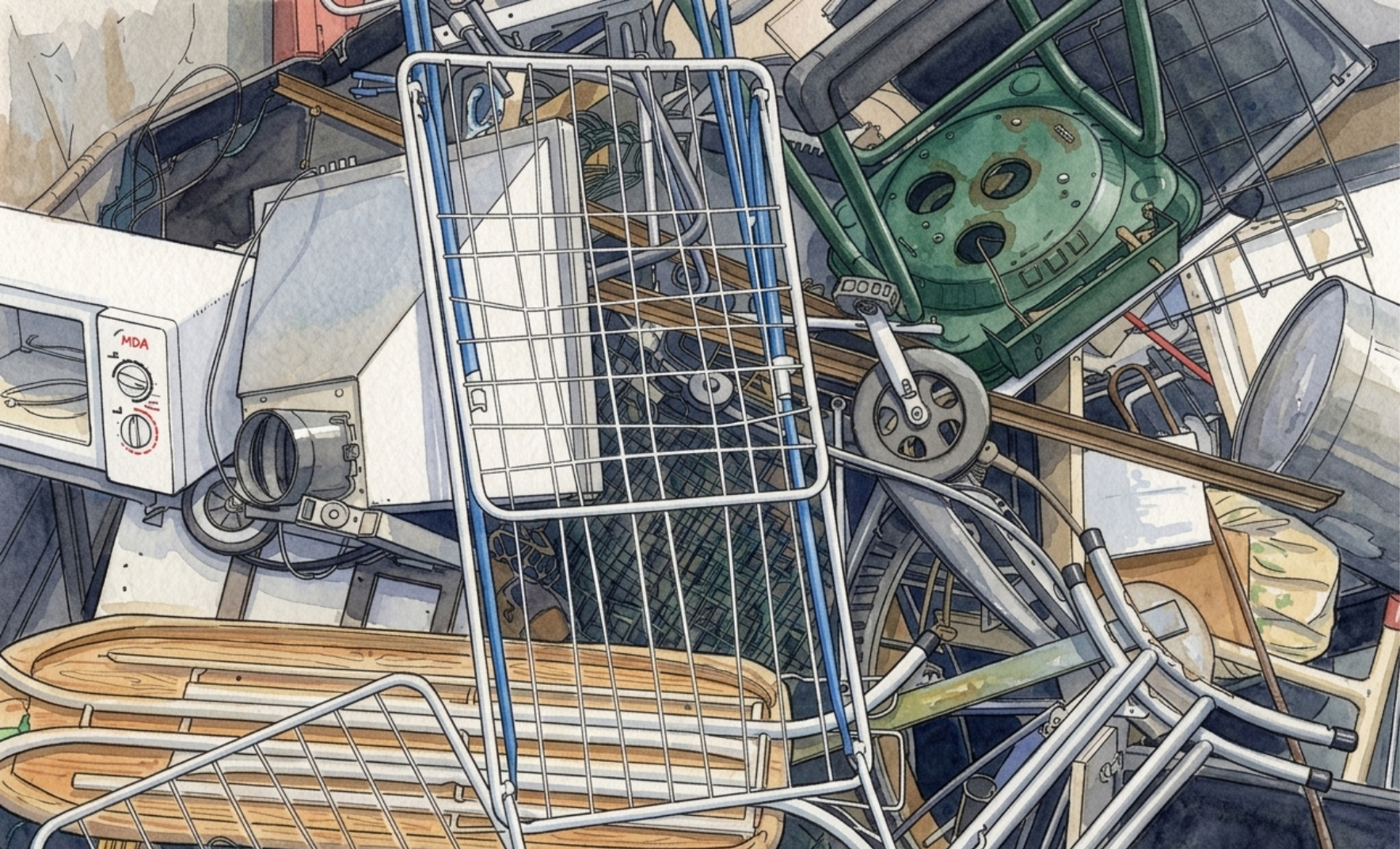
Material Preparation: Where Value Is Defined
Preparation determines pricing outcomes. How sorting, sizing, and grading convert mixed scrap into market-ready material aligned with buyer specifications.
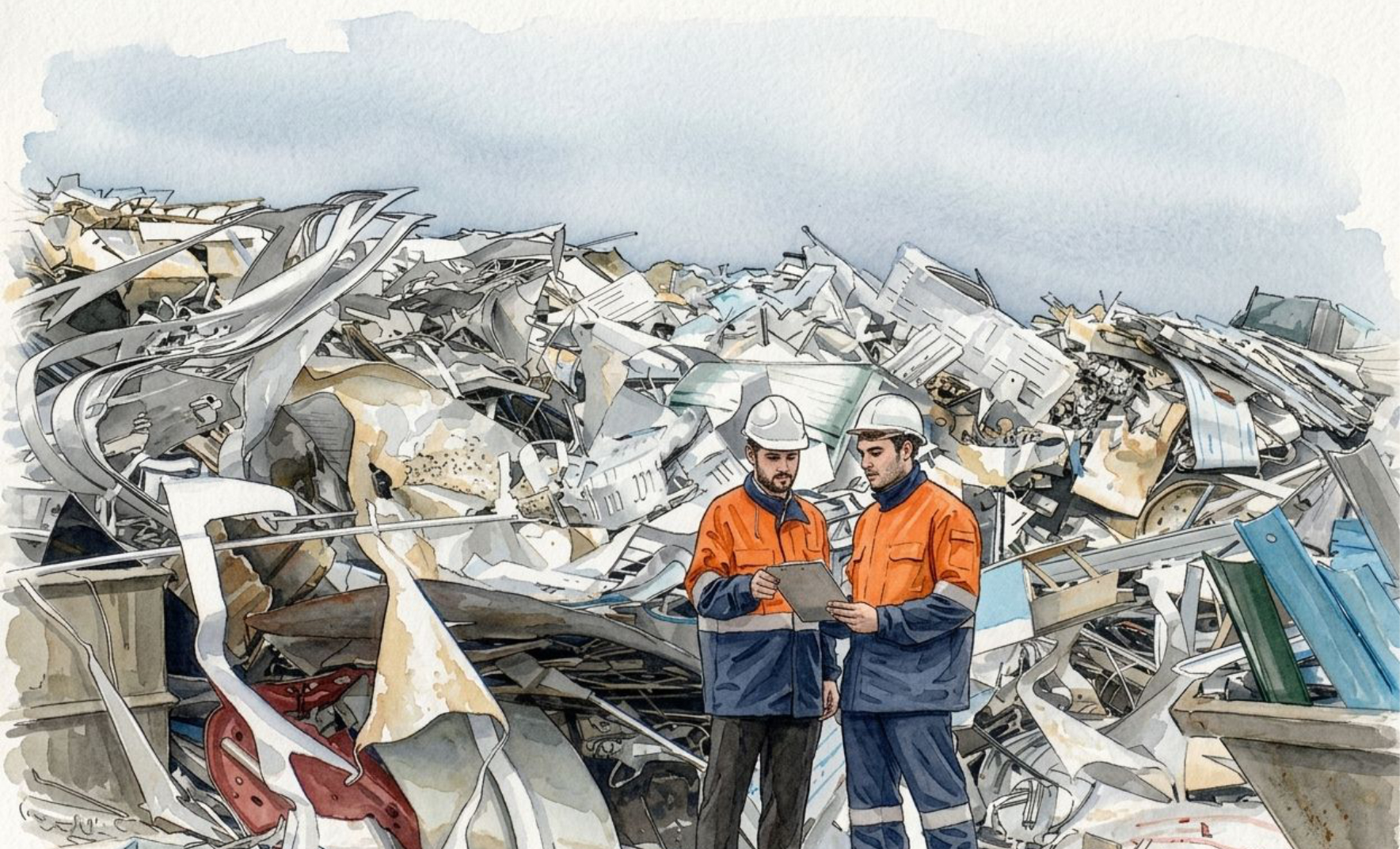
Value is created before export
Scrap does not gain value at shipment—it gains value during preparation. Material that is properly sorted, sized, and graded aligns with buyer specifications and commands stronger pricing.
Unprepared or mixed material reduces efficiency and is typically discounted.
Where value is lost
Value is lost when materials are mixed, oversized, or contaminated. Poor preparation increases handling time, reduces container efficiency, and creates inconsistencies that affect buyer acceptance.
These losses often originate at intake and compound through processing.

Core preparation steps
Preparation begins with sorting materials into defined categories. Size reduction ensures materials can be handled and loaded efficiently. Densification improves shipping efficiency, while grading aligns the material with export specifications.
Each step contributes directly to final pricing outcomes.
Aligning with market requirements
Preparation must match buyer expectations. Consistent grading, proper sizing, and clean material reduce disputes and improve acceptance rates.
When preparation aligns with market demand, transactions become more predictable.
From material to product
Prepared scrap is not waste—it is a standardized commodity. The difference lies in how it is handled before export.
Operator Rule
Prepare before you price.


Subscribe to the Recyclore Brief
Stay informed on material flows, market signals, and platform activity—delivered with clarity, discipline, and a focus on how the ecosystem is evolving in real terms.