Marine Scrap Recovery: Isolate, Cut, and Extract (Anonymized Case File)
A decommissioned marine asset presents complex recovery conditions. How isolation, controlled cutting, and staged extraction improved safety and material yield.
Complexity increases risk
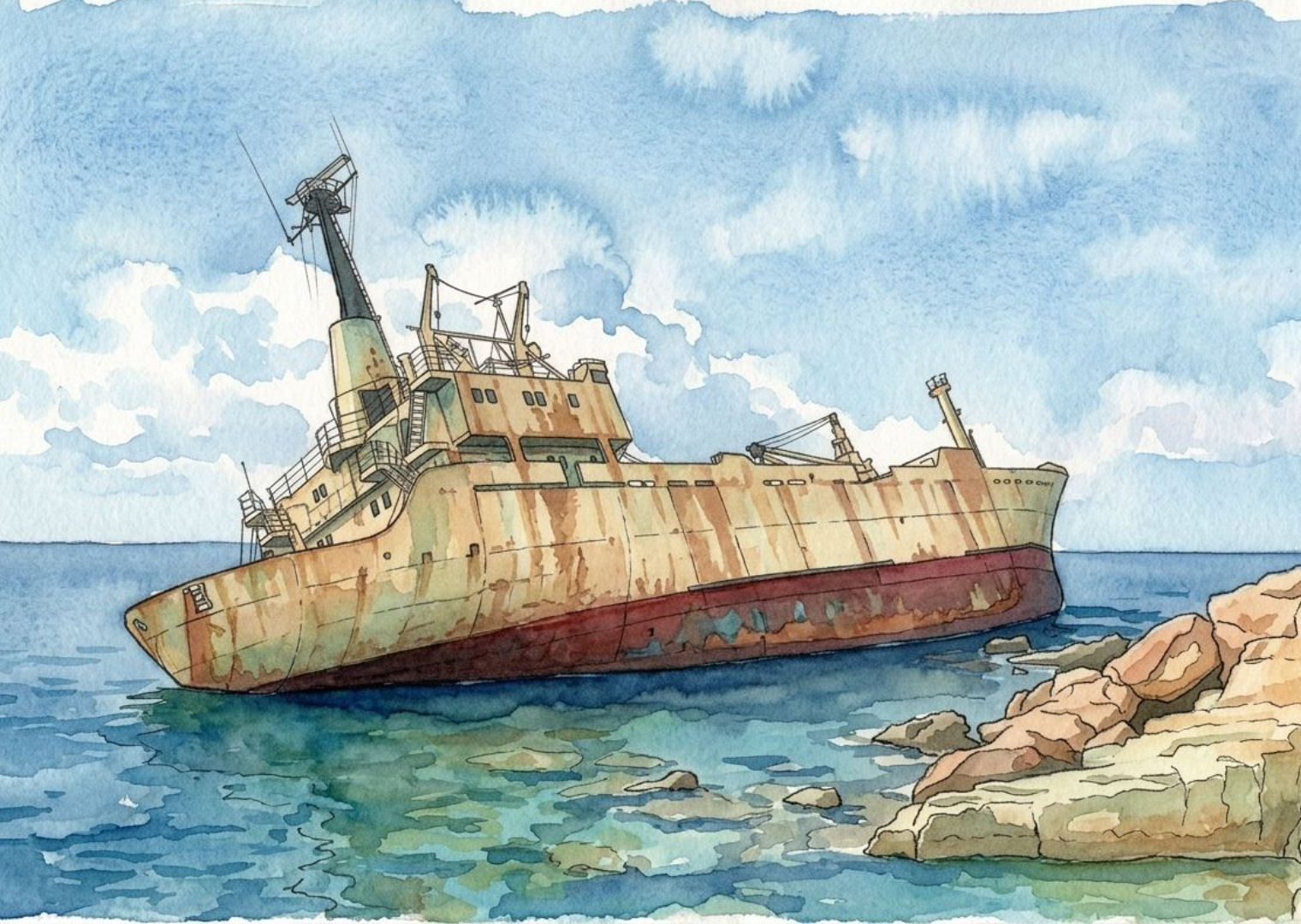
Failure mode. A decommissioned vessel contained mixed materials, confined spaces, and residual hazards. Unstructured cutting risked safety incidents, material loss, and inefficient extraction.
Stabilize first. Isolate the work zone and conduct hazard identification. Remove residual fluids, secure unstable sections, and establish controlled access to the recovery area.
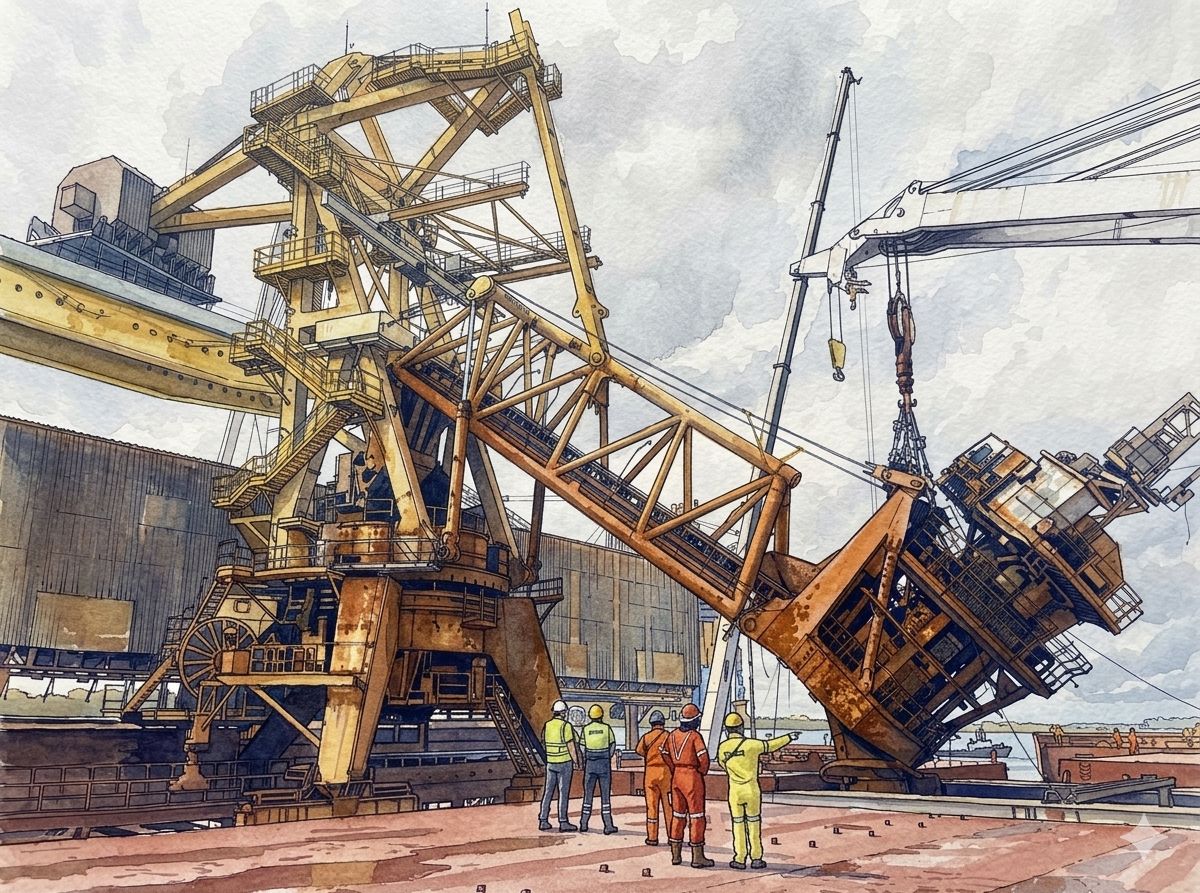
Cut and segment. Implement a planned cutting sequence to divide large structures into manageable sections. Maintain structural awareness to prevent uncontrolled collapse during dismantling.
Extract and stage. Remove segmented materials in phases, separating metals by type and grade. Stage materials for transport and further processing.
System correction. Develop recovery protocols for marine assets, including safety controls and sequencing standards. Field rule: “Cut with structure in mind, not speed.”
Control defines recovery
Field Note
Structured dismantling improves both safety and yield. Unplanned cutting increases risk and reduces recoverable material value.

Subscribe to the Recyclore Brief
Stay informed on material flows, market signals, and platform activity—delivered with clarity, discipline, and a focus on how the ecosystem is evolving in real terms.