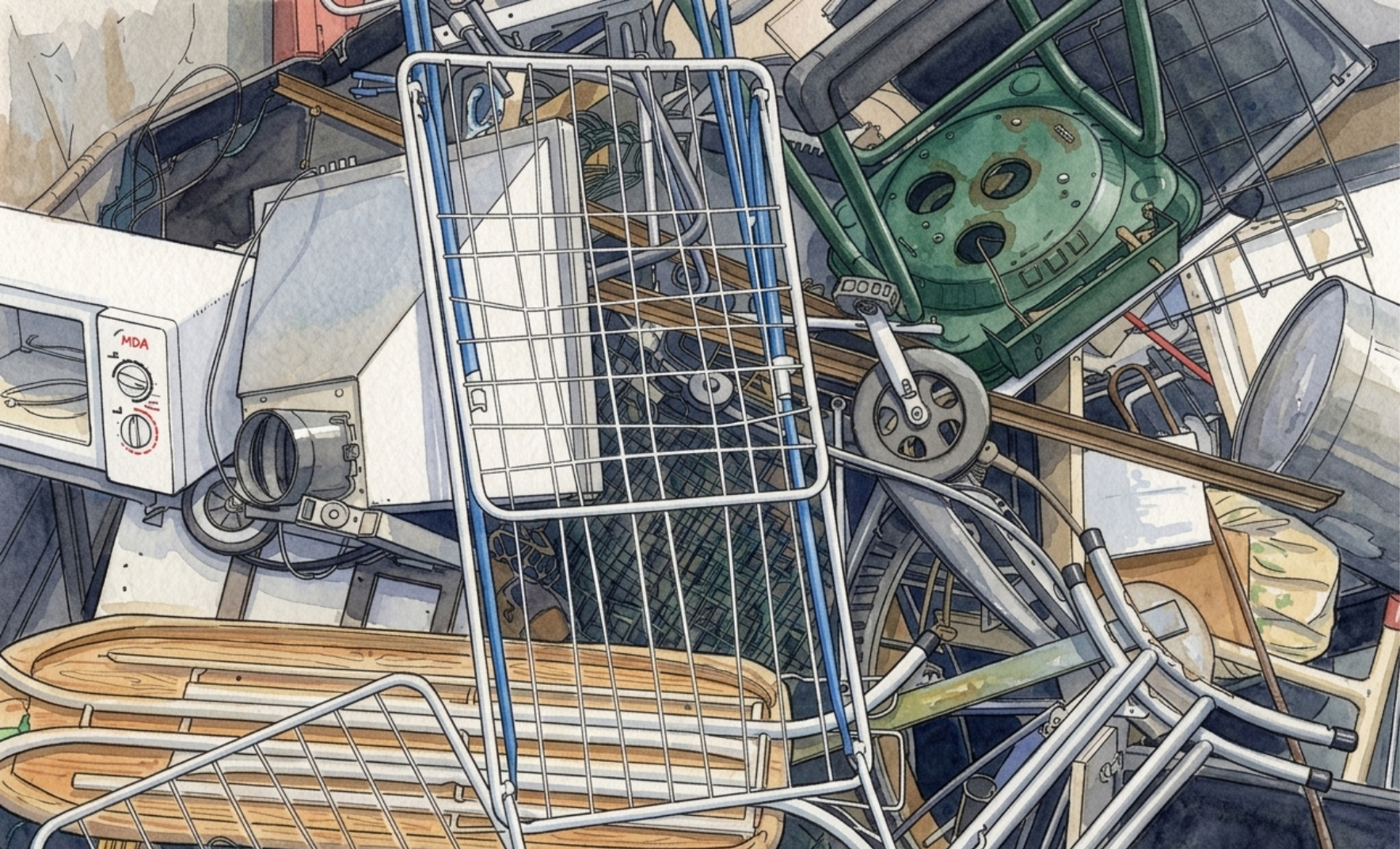
Inconsistent Grading: Standardize, Document, and Trade (Anonymized Case File)
Material disputes arise from inconsistent grading practices across intake and export. How standardization, documentation, and verification improved buyer acceptance and reduced pricing adjustments.
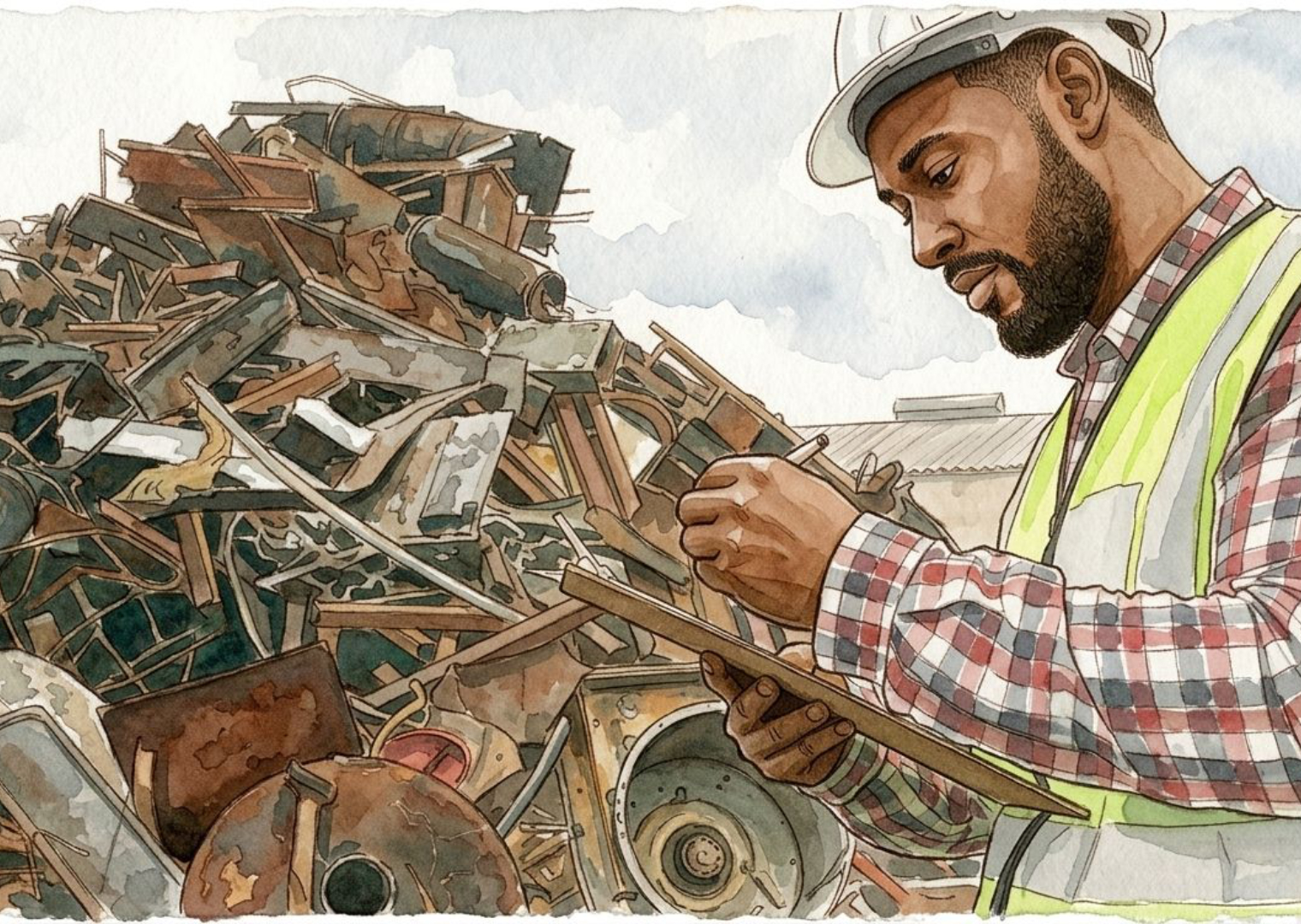
Inconsistency reduces trust
Failure mode Scrap was classified differently at intake and export, resulting in shipments that did not align with declared grades. Buyers identified inconsistencies, leading to pricing disputes, delayed payments, and reduced confidence in future transactions.
Stabilize first Pause shipments under the affected grade. Review recent transactions and identify where grading deviations occurred. Confirm buyer specifications and acceptable tolerances before proceeding.
Standardize grading Implement clear grading definitions aligned with export specifications. Train yard personnel to apply consistent classification at intake and during processing.
Document and verify Record grade, weight, and material condition at intake and before loading. Introduce a second verification step prior to container sealing.
System correction Align grading practices across all supply points and enforce documentation standards. Field rule: “If it is not verified, it is not the grade.”



Subscribe to the Recyclore Brief
Stay informed on material flows, market signals, and platform activity—delivered with clarity, discipline, and a focus on how the ecosystem is evolving in real terms.