From Waste to Resource: Building a Regional Recycling System
Turning dispersed scrap into a reliable industrial input requires coordination. How regional systems convert waste streams into consistent, market-ready material.
Waste is a distributed resource
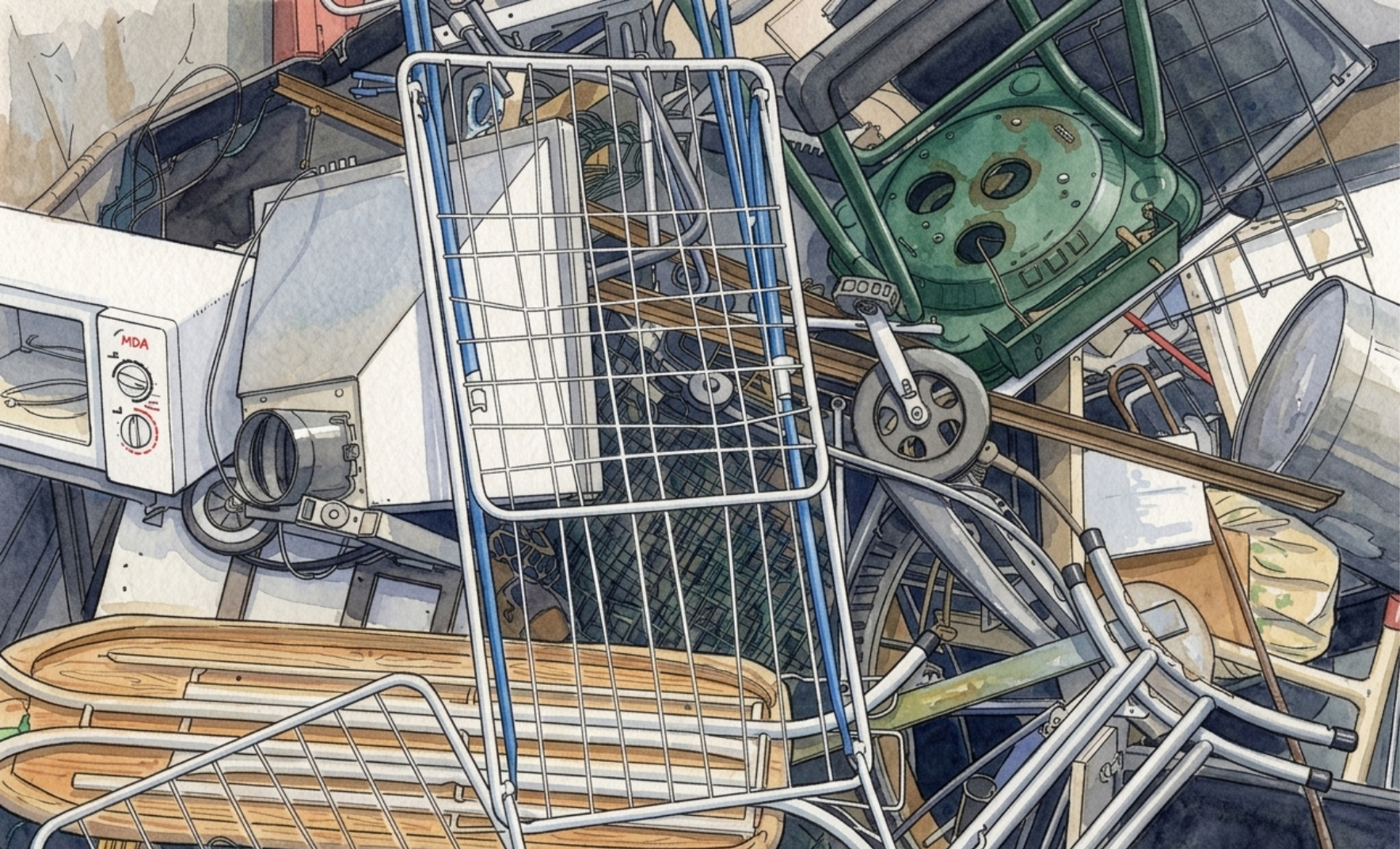
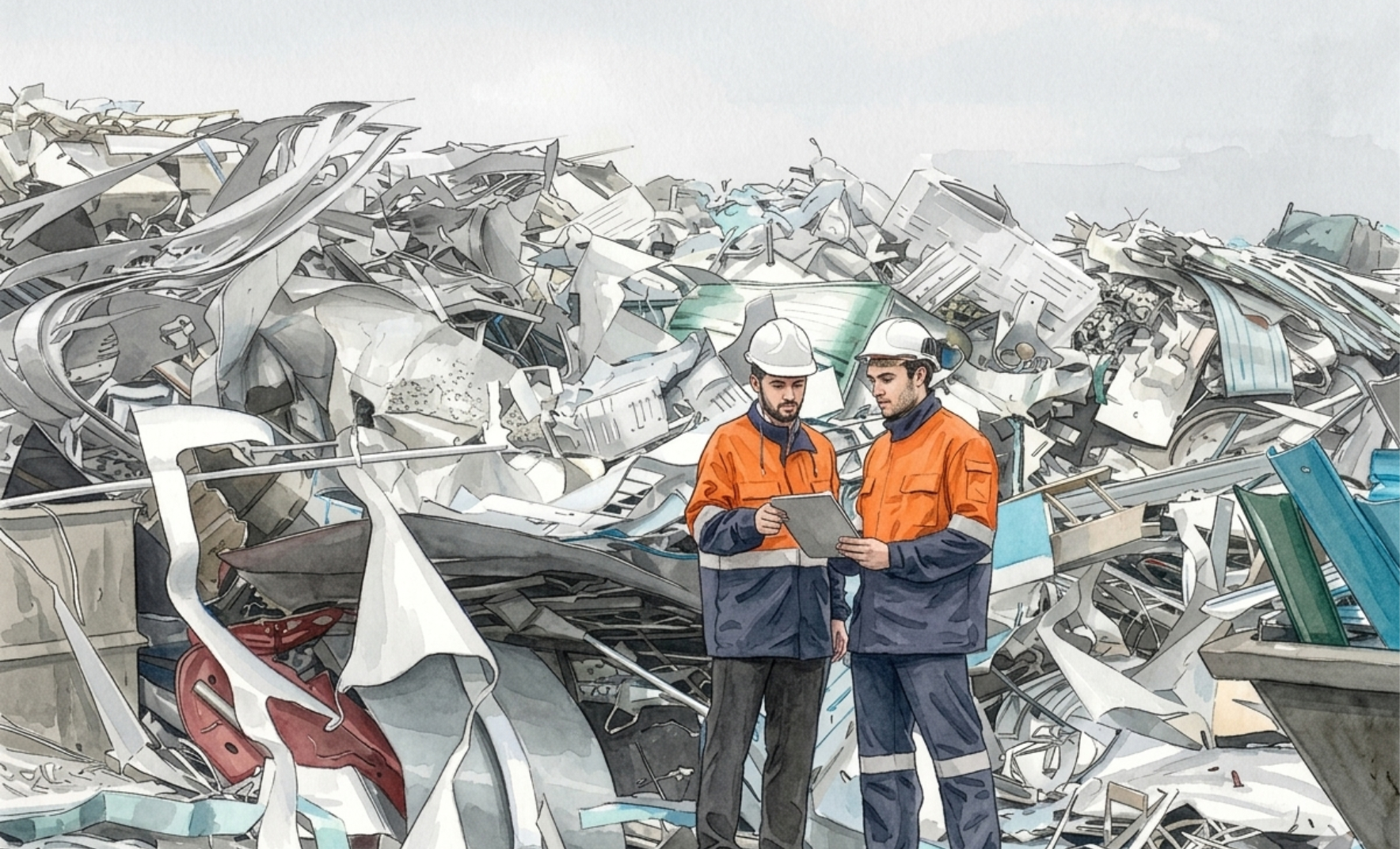
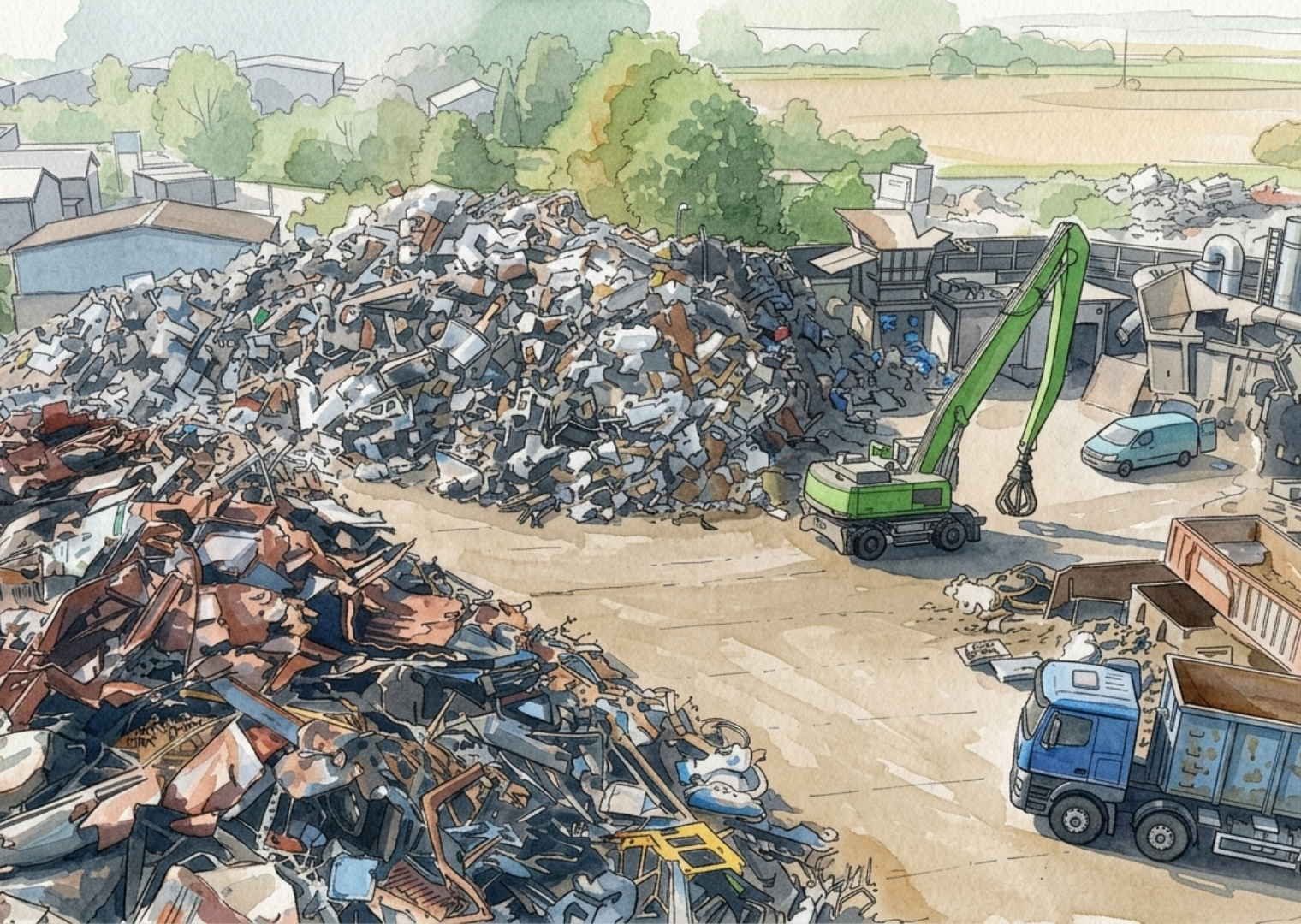
Scrap is generated across homes, construction sites, and industrial operations. In isolation, these volumes are fragmented and underutilized. Without coordination, much of this material is delayed, discounted, or lost.
A system is required to convert dispersed supply into usable volume.
Building regional structure
A regional recycling system connects collectors, yards, and industrial sources into a coordinated network. Standardized grading, shared processes, and aligned logistics allow material to move efficiently across locations.
This transforms isolated activity into a functioning supply chain.
From aggregation to output
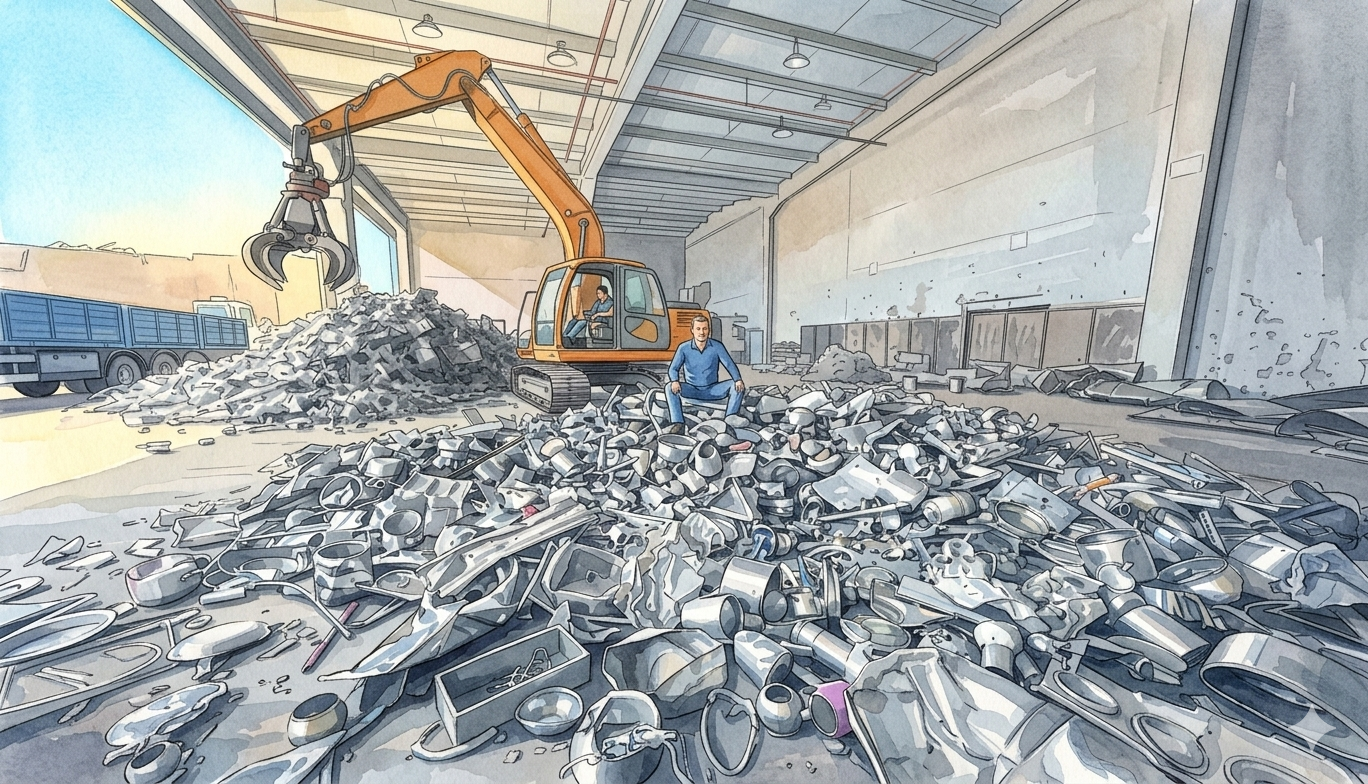
Once coordinated, material can be aggregated, processed, and prepared to meet export specifications. Consistency in handling and documentation ensures that supply is reliable and market-ready.
This is where waste becomes product
Enabling participation at scale
A structured system allows independent participants to operate collectively without losing autonomy. Small volumes combine into meaningful supply, enabling access to larger markets.
From fragmented to functional
The transition from waste to resource is not automatic. It depends on coordination, standardization, and consistent movement across the network.
Market Insight
Structure turns volume into value.

Subscribe to the Recyclore Brief
Stay informed on material flows, market signals, and platform activity—delivered with clarity, discipline, and a focus on how the ecosystem is evolving in real terms.