From Mixed Load to Market-Ready Material
Mixed scrap must be transformed into defined, compliant material. How sorting, preparation, and verification convert inconsistent loads into export-ready shipments.
Mixed input is the starting point
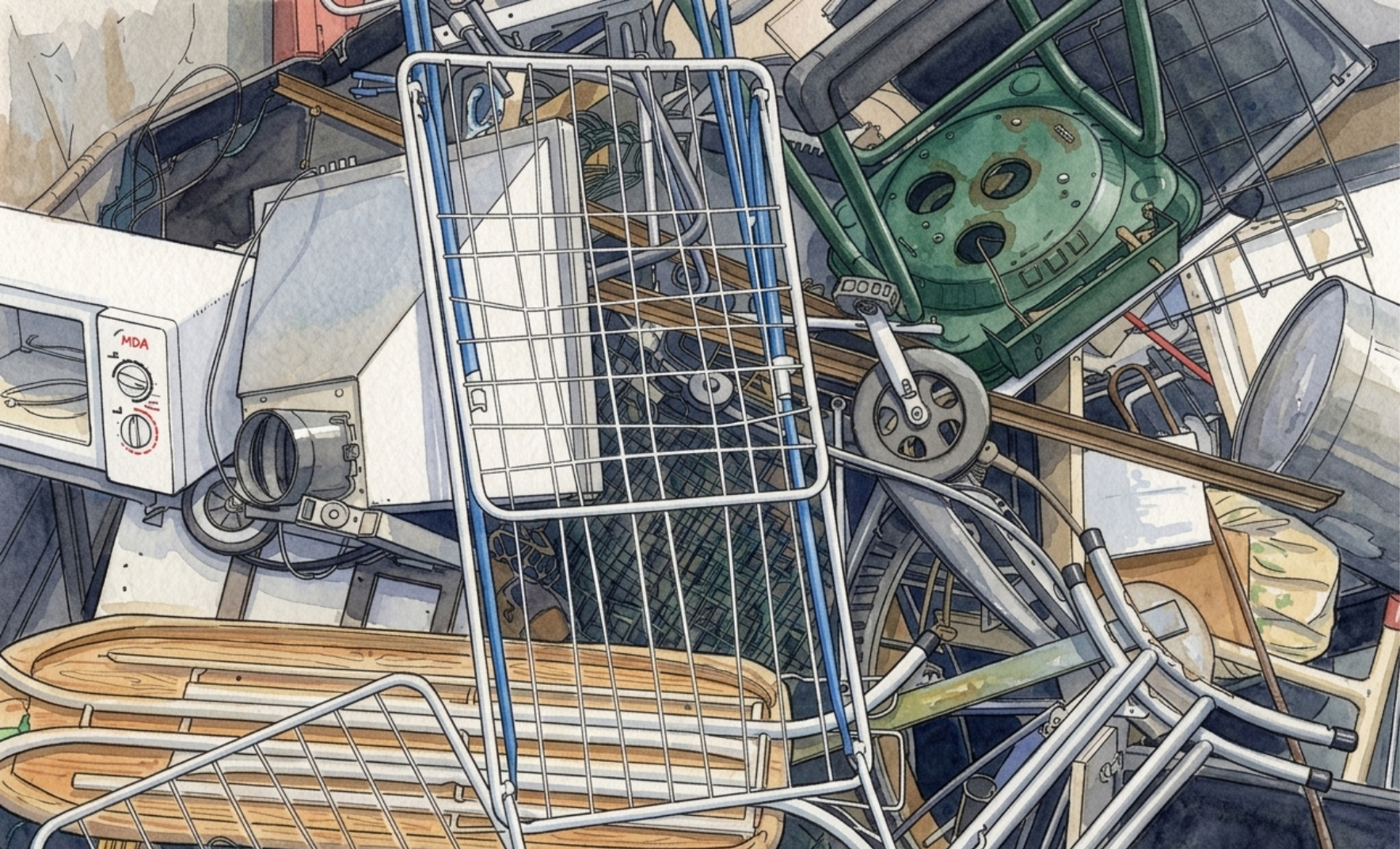
Scrap typically arrives as a mixed load—different metals, sizes, and contaminants combined. In this state, material has limited value and cannot be sold against defined export specifications.
Transformation begins at intake.
Where value is unlocked
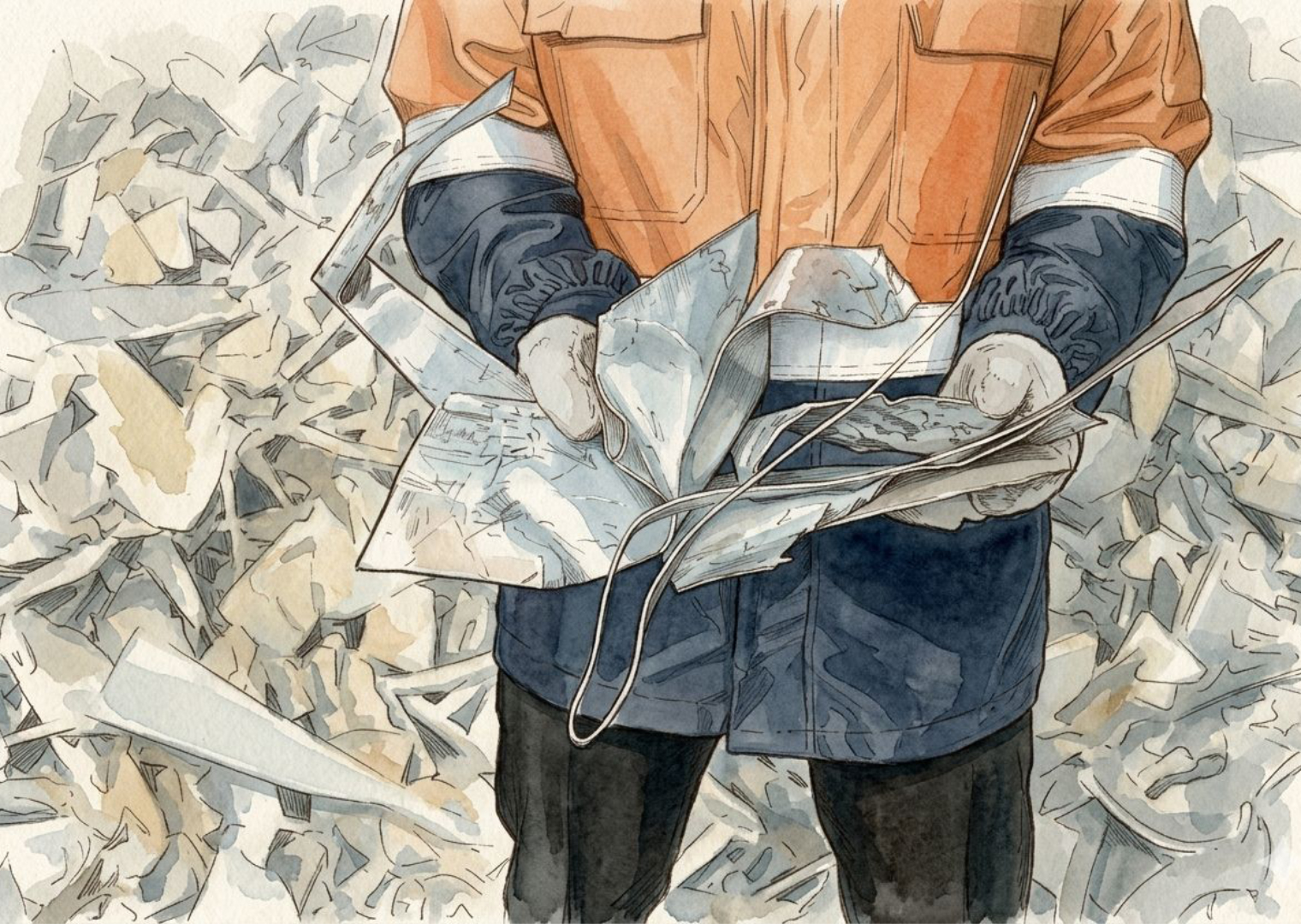
Value is created through separation and preparation. Sorting defines grade, cutting standardizes size, and cleaning removes contamination. Each step converts uncertain material into a defined product.
Without this process, material is discounted or rejected.

Structuring the process
Processing follows a sequence: intake inspection, sorting by material type, size reduction, densification where required, and grading verification. Each stage builds toward compliance with buyer specifications.
Consistency across this sequence ensures reliable output.
Aligning with market requirements
Market-ready material meets defined standards for grade, size, density, and cleanliness. When preparation aligns with these requirements, acceptance improves and pricing becomes more predictable.
From uncertainty to product
Processing converts variability into consistency. The outcome is not just prepared scrap, but a standardized commodity ready for trade.
Field Note
Mixed loads carry potential—process defines value.


Subscribe to the Recyclore Brief
Stay informed on material flows, market signals, and platform activity—delivered with clarity, discipline, and a focus on how the ecosystem is evolving in real terms.