From Collection to Export: Mapping the Scrap Flow
Scrap moves through multiple hands before reaching global markets. Understanding each stage reveals where value is gained, lost, or delayed across the network.
A multi-stage system
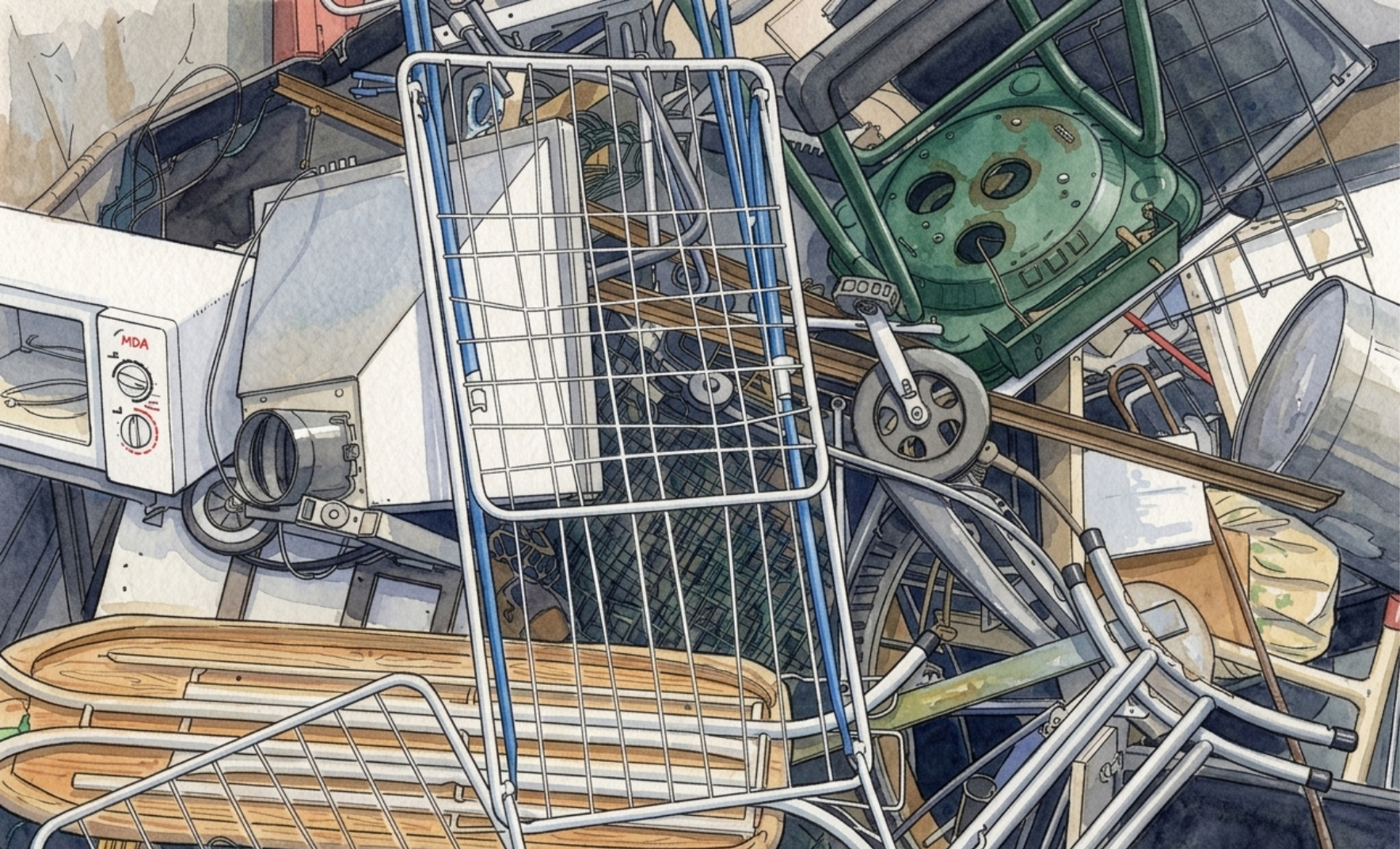
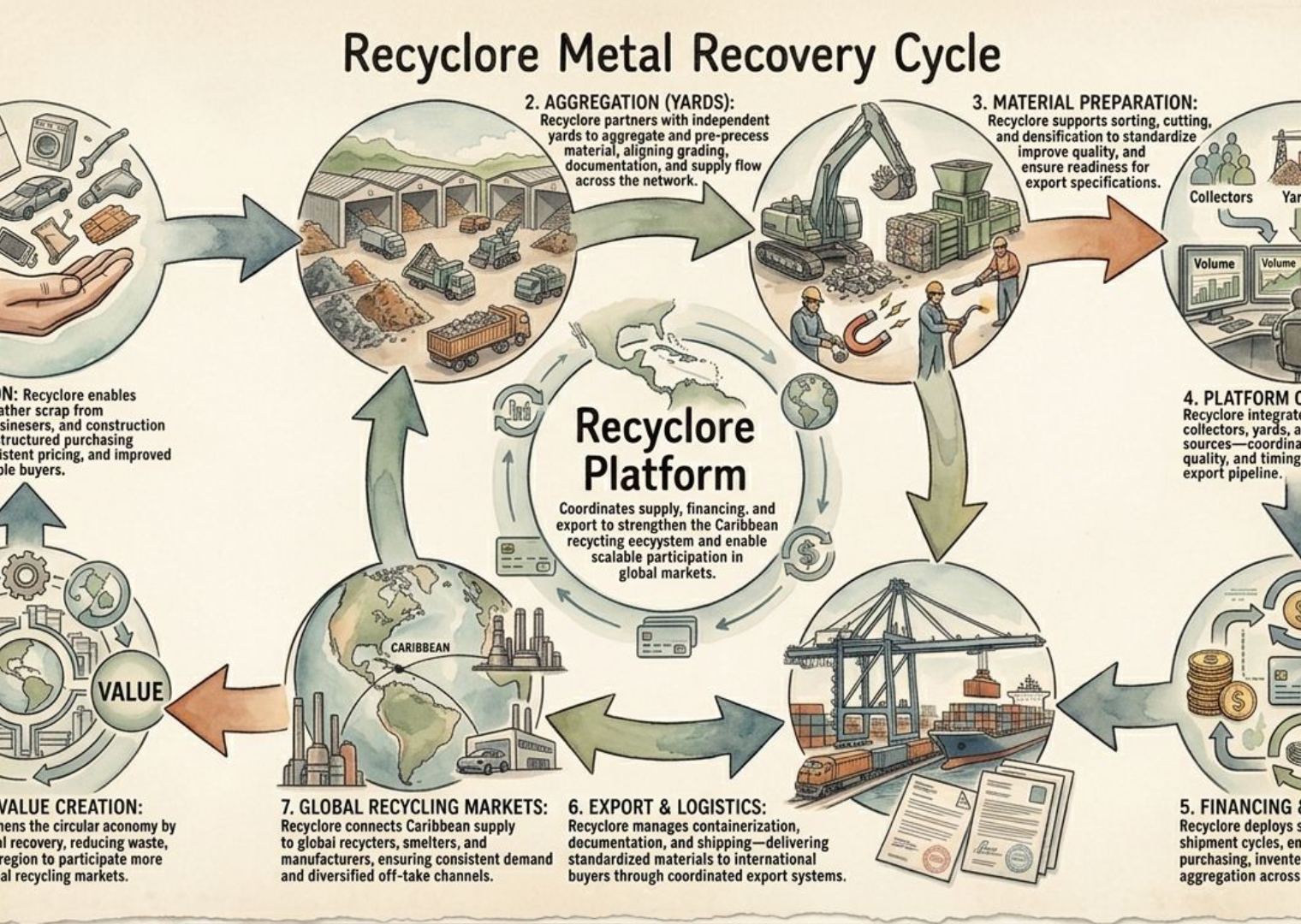
The journey of scrap metal begins at collection—homes, construction sites, and industrial operations—where material is gathered and transported to yards. From there, it is sorted, processed, and accumulated for export.
While the steps are straightforward, the system is not always efficient. Delays, inconsistent grading, and fragmented logistics can reduce value at each stage.
Where value is created
Value is introduced through handling and preparation.
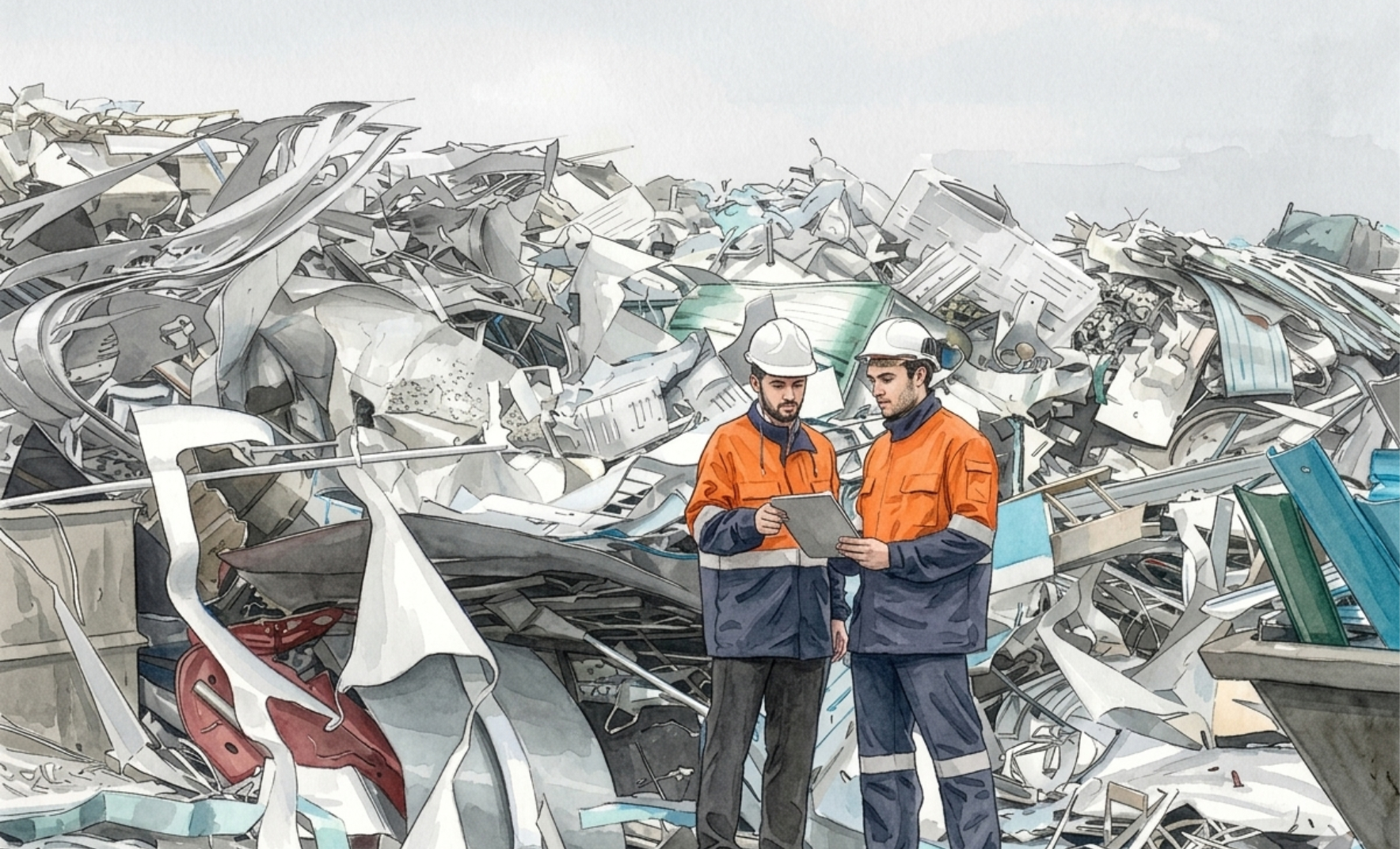
Collectors provide access and reach. Yards aggregate and perform initial processing. Preparation—sorting, cutting, and grading—aligns material with export specifications. Each stage contributes to the final price realized in international markets.
When these steps are coordinated, value is preserved. When they are not, inefficiencies compound.
Points of friction
Friction typically occurs at transitions.
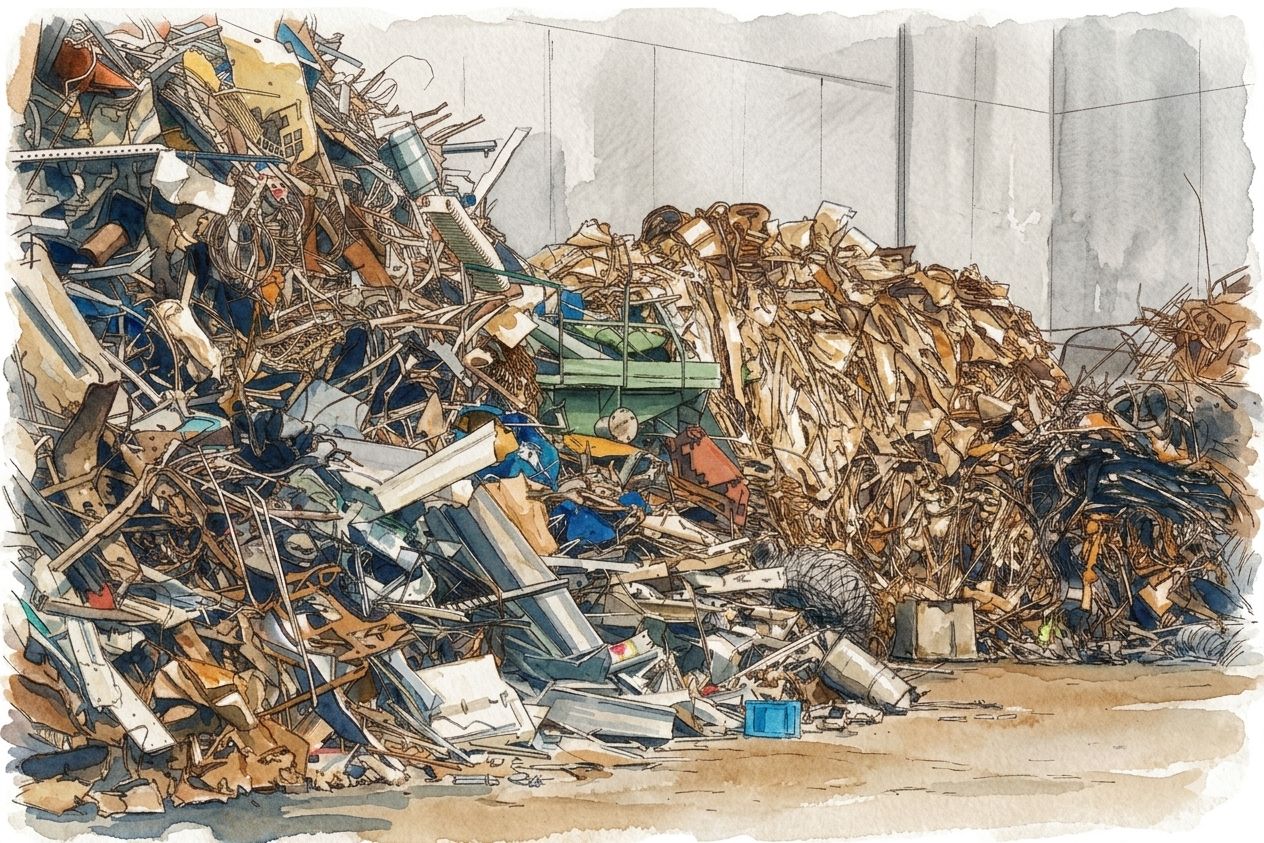
Material may sit idle between collection and processing. Yards may delay aggregation due to limited capital. Containers may be dispatched without full loads or proper sequencing.
These gaps slow the flow of material and reduce overall efficiency. Even small delays at each stage can significantly affect throughput and pricing outcomes.
Aligning the flow
Improving the system requires aligning each stage of movement.
Consistent purchasing supports collection. Standardized grading improves processing. Coordinated logistics ensure efficient export. When each stage is connected, material flows more predictably from source to market.
The objective is not to change the structure of the industry, but to improve how it functions as a system.
Flow determines performance
The performance of the recycling network is defined by how efficiently material moves.
Faster, more consistent flow reduces cost, improves pricing, and increases participation across the network.
Field Note
Every delay between collection and export reduces value. Efficient systems minimize idle time and keep material moving.

Subscribe to the Recyclore Brief
Stay informed on material flows, market signals, and platform activity—delivered with clarity, discipline, and a focus on how the ecosystem is evolving in real terms.