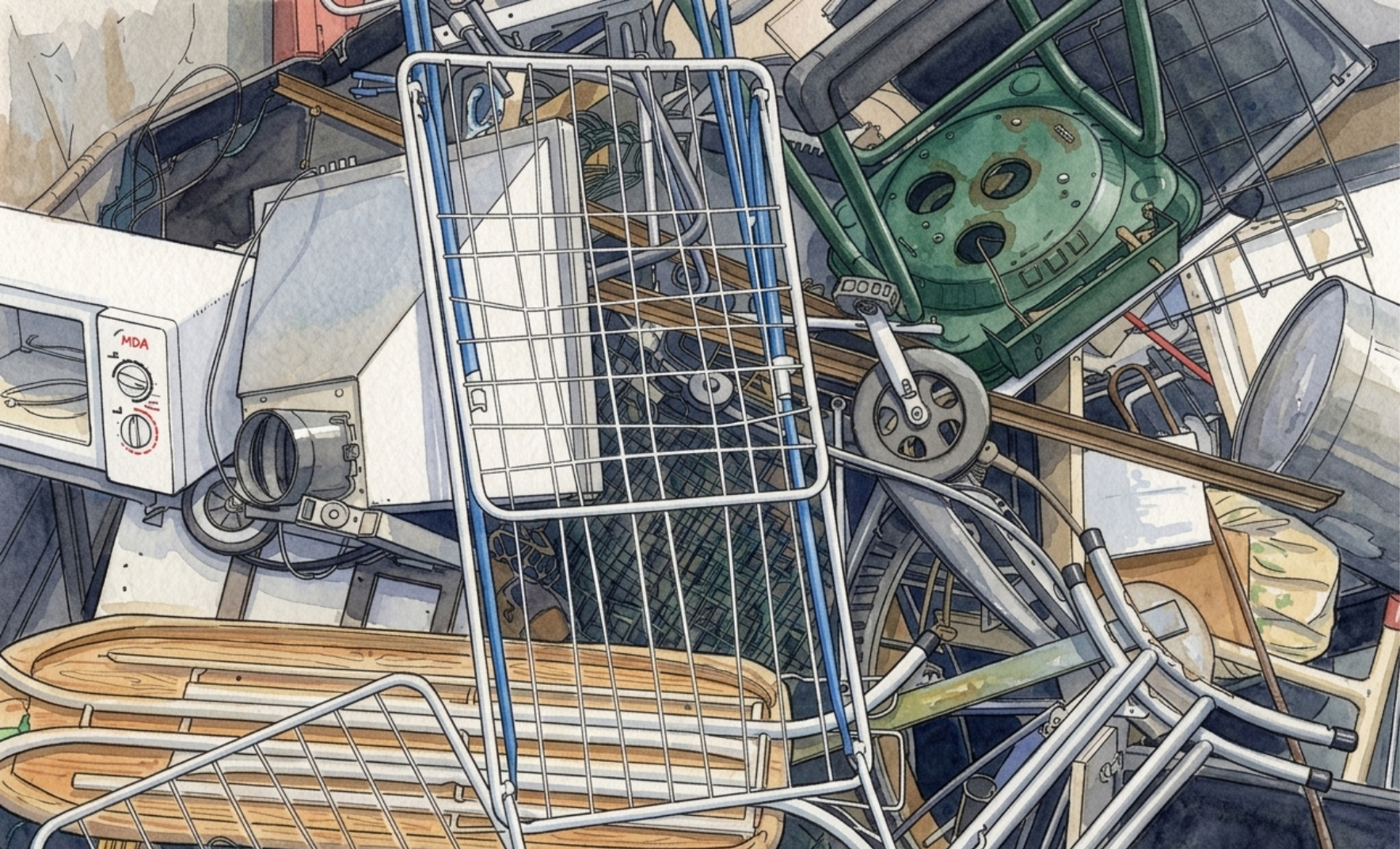
Diversifying Offtake: Reducing Market Dependence
Relying on a single buyer concentrates risk. Diversifying offtake across multiple markets improves pricing leverage, stability, and resilience across export cycles.

Dependence limits flexibility
When supply is tied to a single buyer, pricing, payment terms, and volume allocation are largely dictated externally. While this may provide short-term stability, it reduces negotiating power and increases exposure to changes in demand or terms.
Expanding market access
Diversification begins with access. Engaging multiple buyers—recyclers, traders, and industrial consumers—creates optionality in how and where material is sold. This improves visibility into pricing and demand conditions.
Aligning supply to buyers
Different buyers require different grades, volumes, and preparation standards. Matching material to the appropriate buyer improves acceptance rates and pricing outcomes.
This requires consistent grading and clear documentation across shipments.
Coordinating shipments
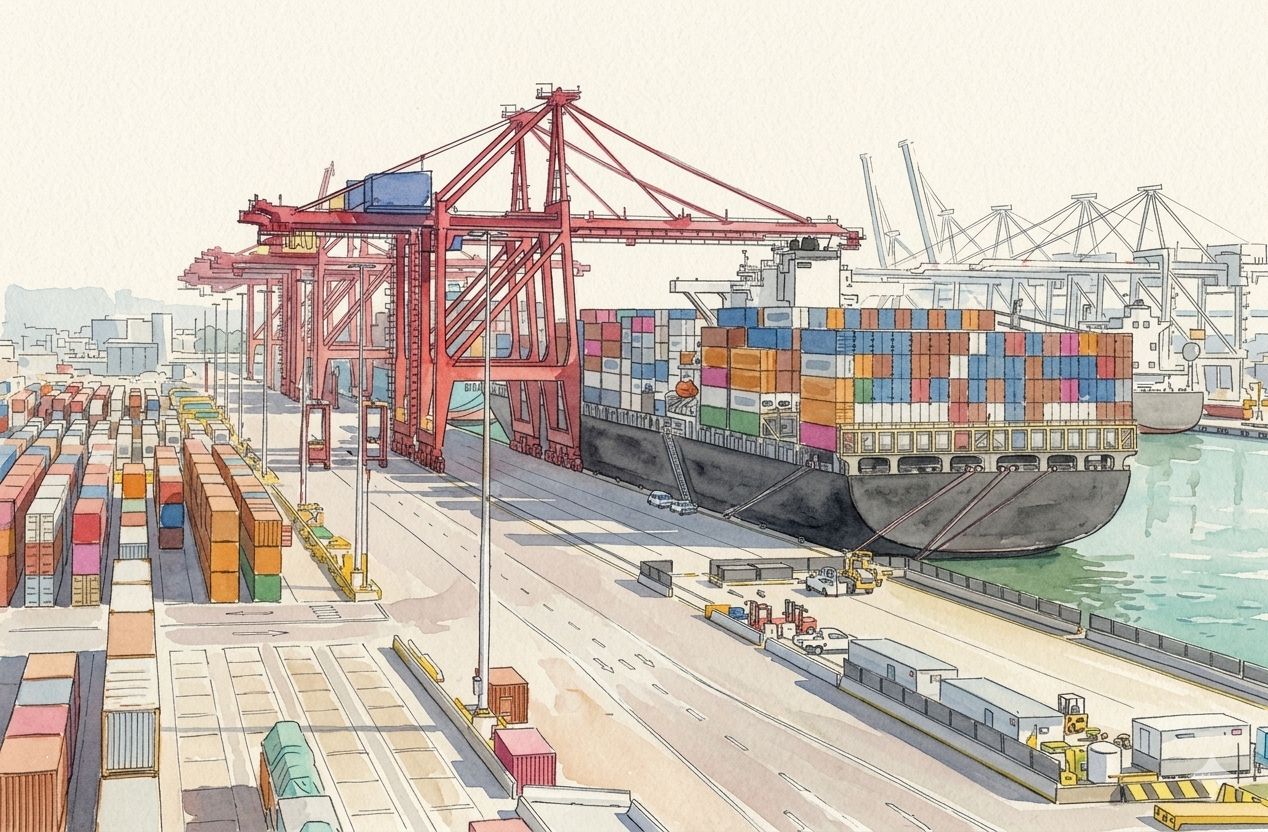
Pooling supply enables participation in multiple export channels. Structured shipment planning allows allocation of material across buyers without disrupting flow.
This reduces reliance on any single offtake relationship.
Strengthening pricing position
With multiple buyers, operators gain leverage. Pricing becomes a function of market conditions rather than a single negotiation.
Diversification improves both short-term outcomes and long-term stability.
From dependence to optionality
The objective is not to replace one buyer with another, but to create a balanced portfolio of offtake relationships.
Market Insight
Options create leverage.


Subscribe to the Recyclore Brief
Stay informed on material flows, market signals, and platform activity—delivered with clarity, discipline, and a focus on how the ecosystem is evolving in real terms.