Densification: Maximizing Load Efficiency and Margins
Low-density scrap reduces shipment efficiency. How baling and compaction increase weight per container and improve export margins.
Density drives value
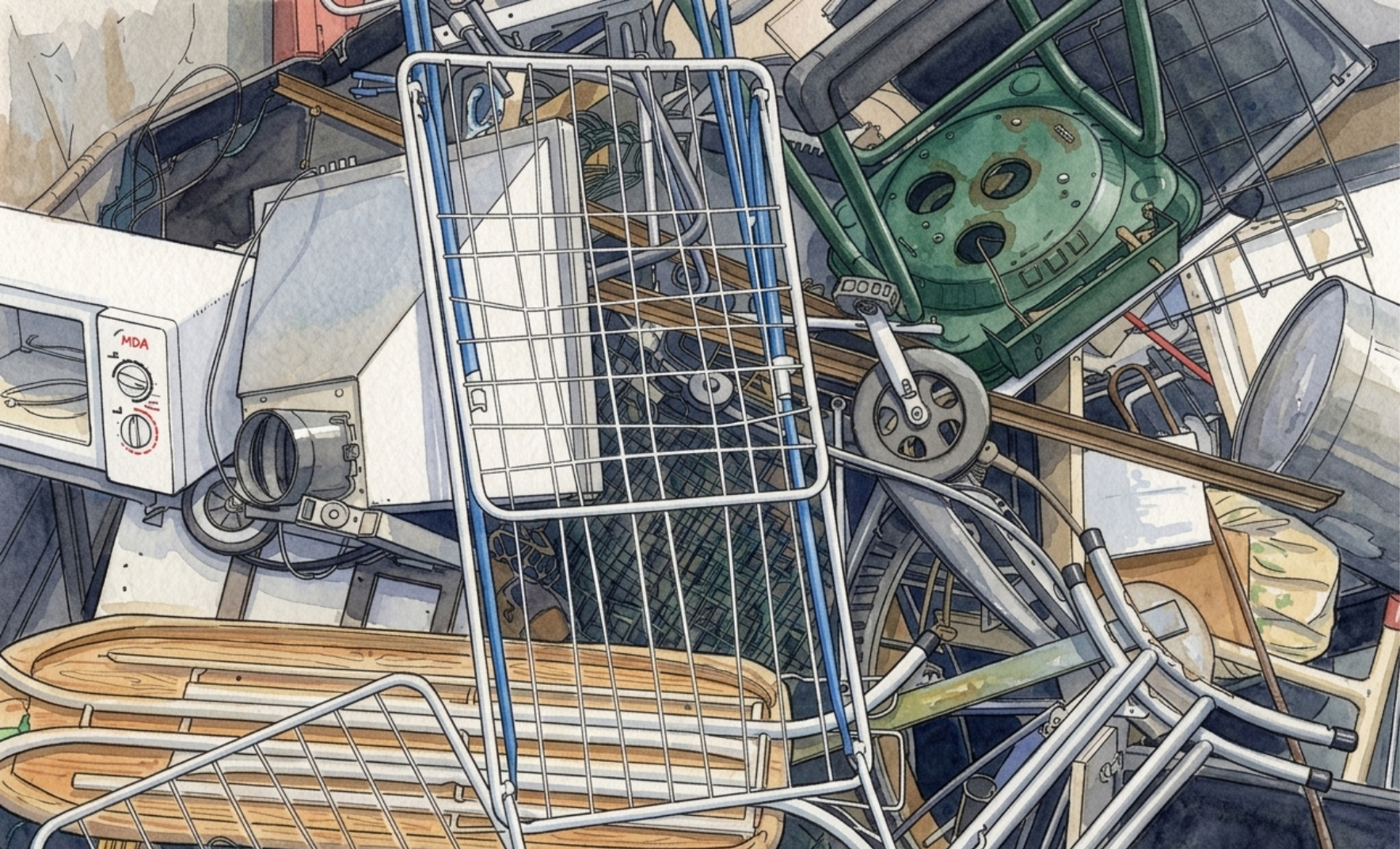
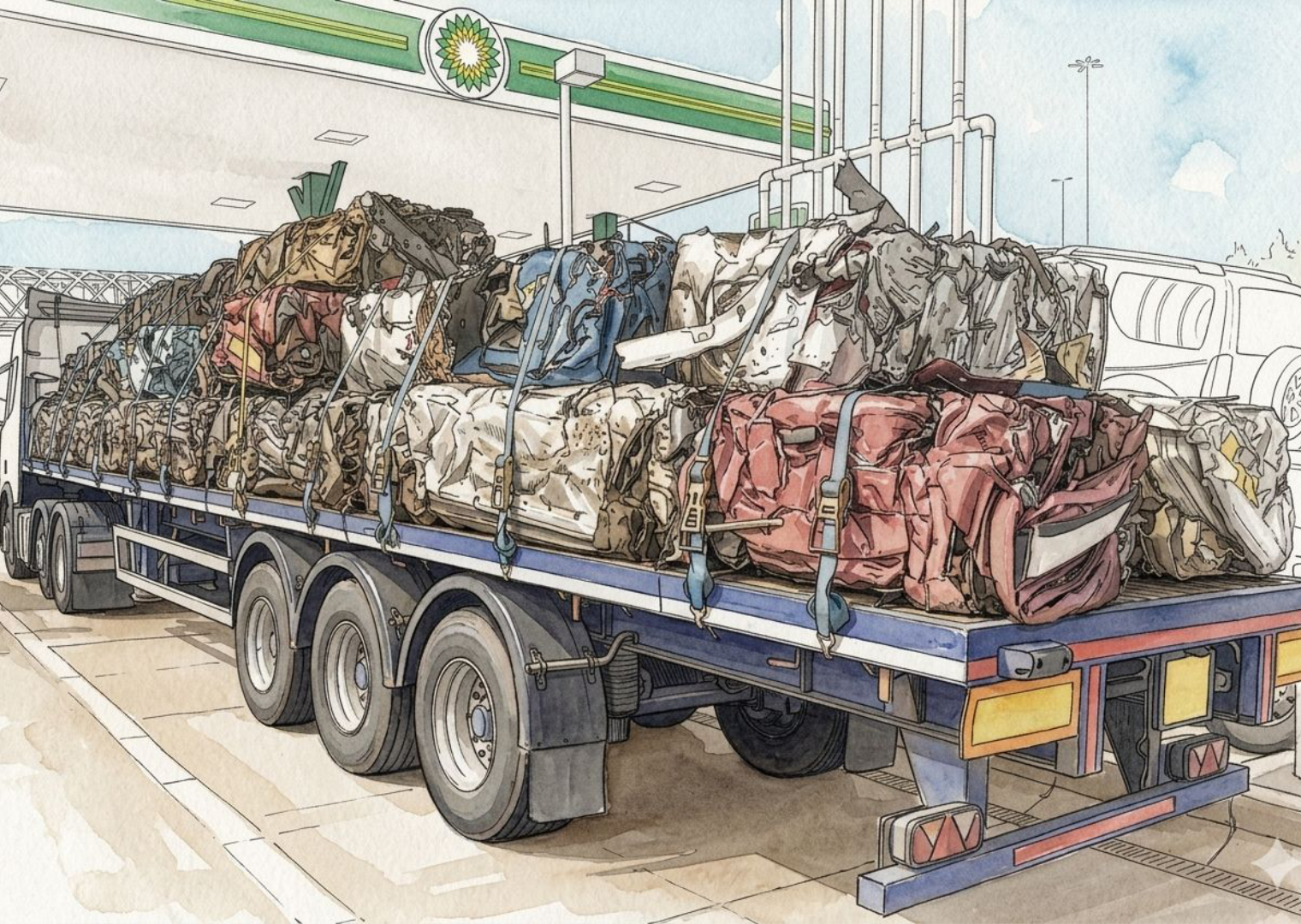
Loose, light-gauge materials occupy space without contributing sufficient weight. Freight costs remain fixed per container, so lower density directly reduces margin per ton.
Improving density increases the value of each shipment.
Where losses occur
Uncompacted scrap leads to underweight containers, inefficient loading, and higher transport cost per unit. Mixing dense and light materials without control further reduces load efficiency.
These losses are often hidden but accumulate across shipments
Applying densification
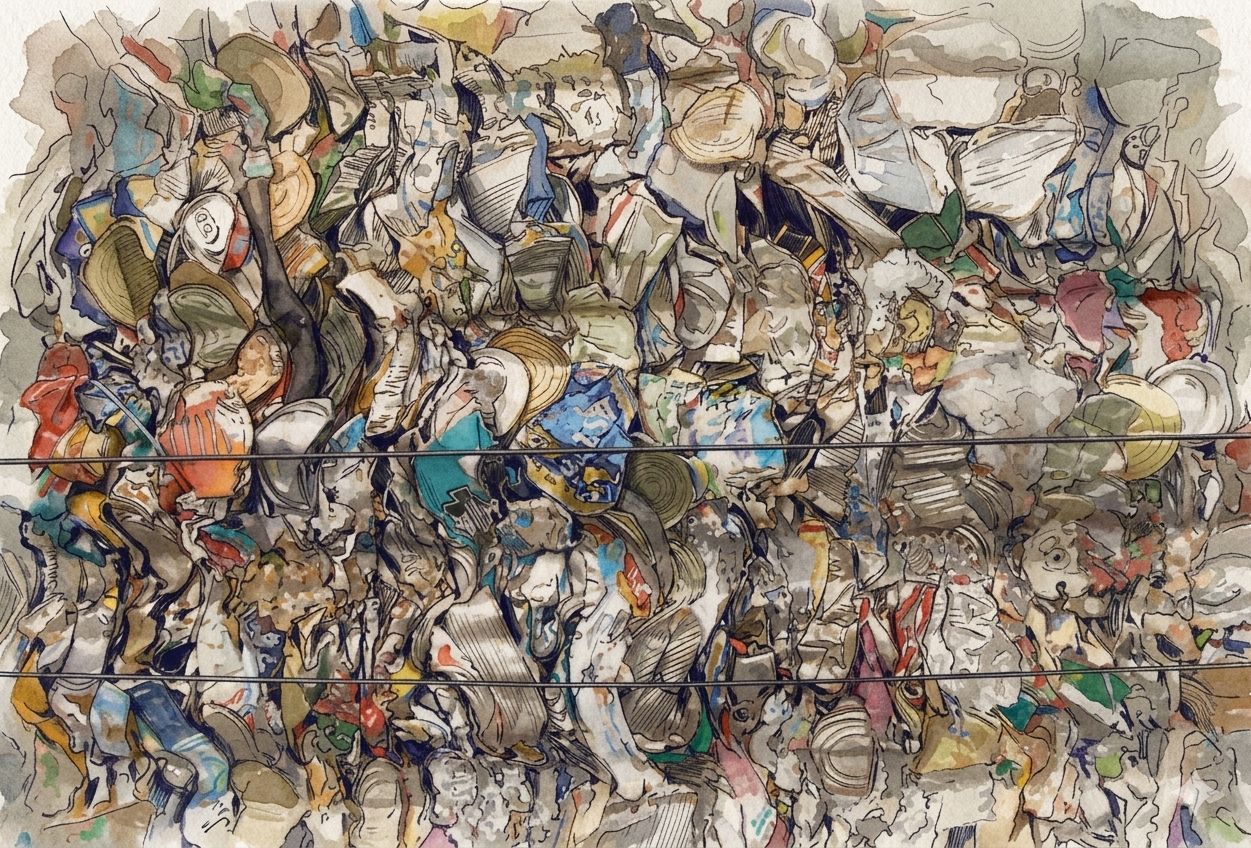
Baling and compaction increase material density by reducing void space. Uniform blocks allow for better stacking and more consistent container loading.
Densified material also improves handling speed and reduces movement within containers.
Aligning with shipment targets
Containers should be loaded to optimal weight thresholds. Densification helps achieve these targets consistently, improving shipment economics.
This supports predictable export performance.
From volume to weight
Efficiency is measured by weight, not volume. Densification converts space into value.
Operator Rule
Do not ship air.


Subscribe to the Recyclore Brief
Stay informed on material flows, market signals, and platform activity—delivered with clarity, discipline, and a focus on how the ecosystem is evolving in real terms.