
Coordinating Multi-Yard Supply for Export
Aggregating supply across independent yards enables scale. How alignment in grading, timing, and logistics converts fragmented volumes into consistent export shipments.

Scale requires coordination
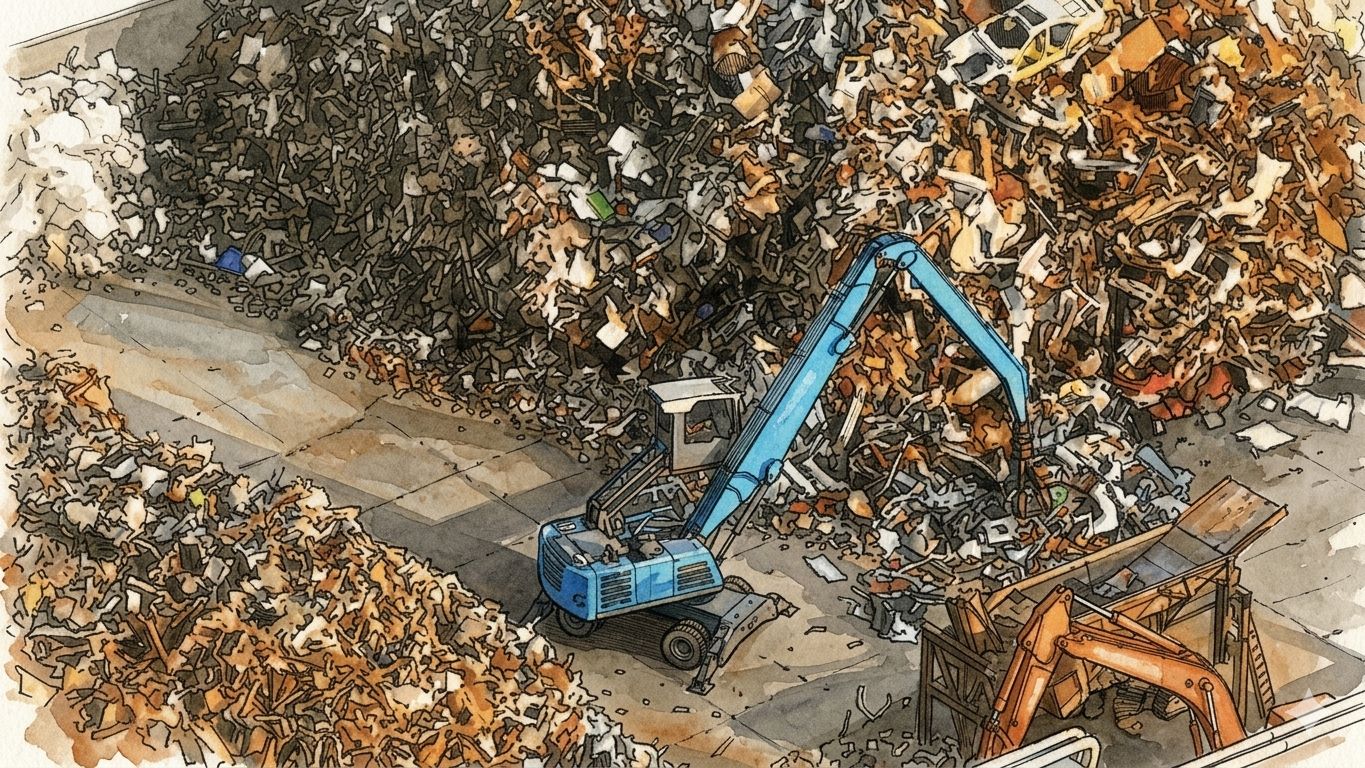
Individual yards often lack the volume to meet consistent export thresholds. Material sits until sufficient tonnage is reached, slowing turnover and tying up capital. Without coordination, shipments are irregular and market access remains limited.
Where coordination breaks down
Differences in grading, documentation, and readiness create friction. One yard may be ready while another delays the shipment. Inconsistent material quality complicates consolidation. Logistics are often managed separately, increasing cost and reducing efficiency.
Aligning the network
Coordination begins with standardization. Shared grading definitions and documentation practices ensure materials can be combined without rework. Shipment windows align yard readiness, while centralized staging enables efficient container loading.
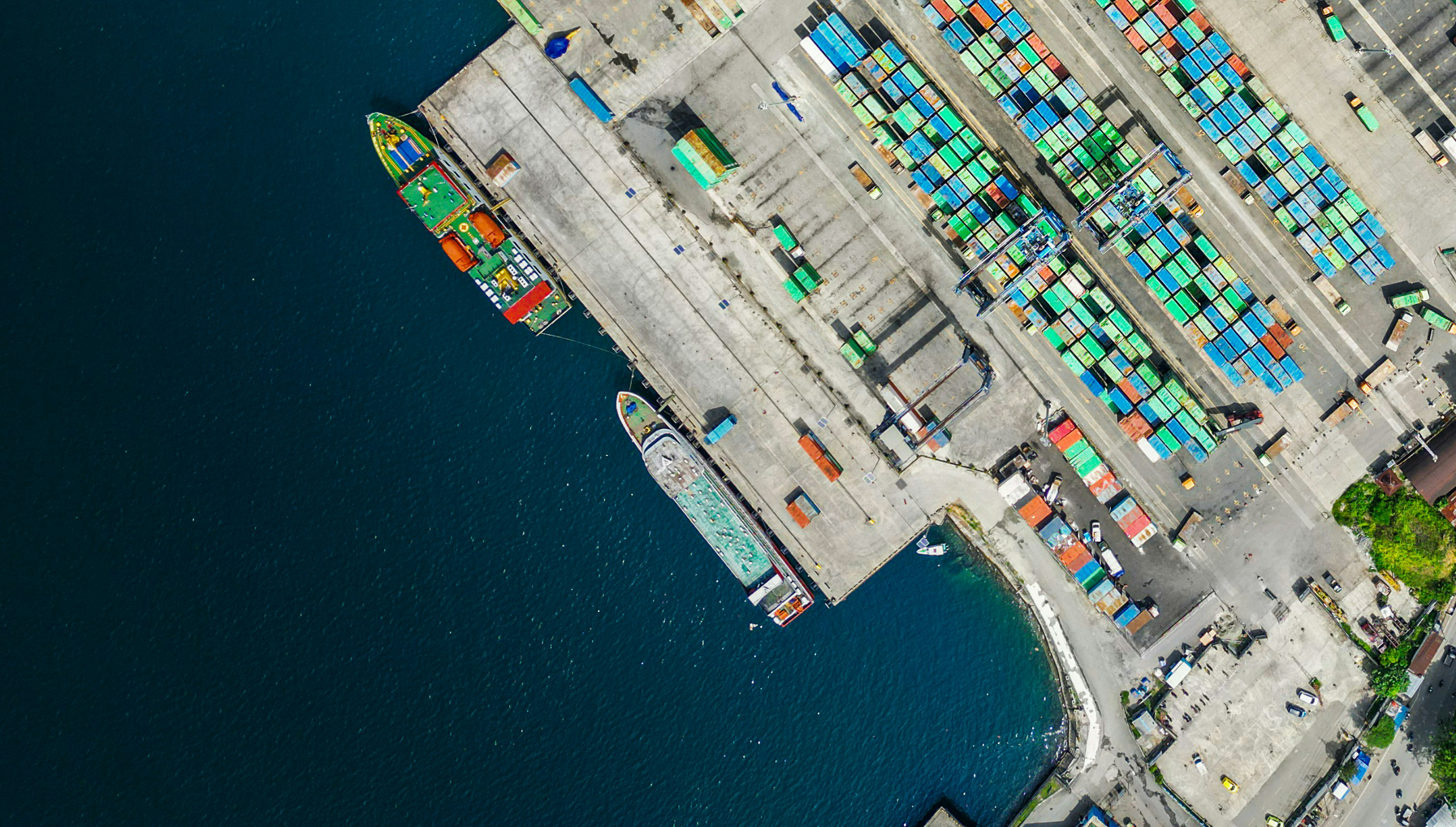
Pooling supply across yards allows containers to be filled consistently and dispatched on schedule. Logistics, documentation, and buyer requirements are managed as a single process rather than separate activities.
Building reliable export cycles
Multi-yard coordination transforms irregular supply into predictable shipment cycles. Yards maintain independence while participating in larger, more stable export flows.
From volume to consistency
The objective is not just to increase volume, but to make volume reliable. Consistent aggregation improves pricing, reduces delays, and strengthens buyer confidence.
Quick Protocol
Align grades, confirm readiness, stage centrally, and load to schedule. Consistency across yards is what creates export scale.

Subscribe to the Recyclore Brief
Stay informed on material flows, market signals, and platform activity—delivered with clarity, discipline, and a focus on how the ecosystem is evolving in real terms.